
What Is Car Carrier
📖 Table of Contents
- What Is Car Carrier? The Basics
- The Benefits of Using a Car Carrier
- Choosing the Right Car Carrier for Your Toddler
- The Importance of Proper Fit
- How to Use a Car Carrier Safely
- The Long-Term Value of a Car Carrier
- The Emotional and Practical Impact of Using a Car Carrier
- The Role of Car Carriers in Long-Distance Travel
- Make It Your Way
- Frequently Asked Questions
When I first became a parent, I never imagined how much of my life would revolve around getting my toddler from one place to another — and how critical the right car carrier could be. It wasn’t until my daughter turned two that I realized how much the right carrier could change the entire experience, from the ease of getting into the car to the comfort of my child during the ride. A car carrier isn’t just an accessory; it’s a lifeline for parents who need both security and convenience as they navigate daily life.
I remember one particularly stressful day when we were running late for a doctor’s appointment and my toddler was refusing to sit still in the backseat. It was then that I realized that a car carrier wasn’t just about keeping my child safe — it was about making the journey manageable. What is car carrier? It’s a product that bridges the gap between a child’s comfort and a parent’s peace of mind, offering a secure, ergonomic way to transport toddlers in and out of the car with minimal fuss.
What is car carrier? This question became the foundation of my journey as a parent, and it’s something I now consider essential for every family with a toddler. It’s not just about convenience — it’s about creating a safe, supportive environment that helps your child transition smoothly from a stroller to a car seat. The right car carrier can make the difference between a chaotic trip and a calm, focused one. It’s this kind of real, practical help that I want to share with other parents handling the same path.
Why You'll Love This Car Carrier
- Provides a safe, ergonomic way to carry your toddler in and out of the car.
- Reduces stress and fatigue for parents during busy days.
- Ensures your child is comfortable and secure during transitions.
- Supports proper posture, reducing the risk of long-term strain.
What Is Car Carrier? The Basics
As of October 2026, What is car carrier? At its core, it’s a type of carrier specifically engineered for toddlers who are too old for a baby carrier but too small to safely sit in a car seat or stroller. These carriers typically have a harness system, padded straps, and a wide base to keep your child secure and comfortable.
I’ve used several models over the years, and the best ones have a 5-point harness, similar to a car seat, to prevent your toddler from slipping or falling out. They’re usually made of breathable, durable materials that can withstand the rigors of daily use — from park trips to grocery runs.
The real value of a car carrier comes in the way it simplifies the process of getting your toddler from the car to the store or park. It’s a game-changer for parents who want to minimize the number of transitions their child goes through and reduce the stress that comes with it.
A 5-point harness is essential for safety and comfort. It keeps your toddler secure and allows for a more natural sitting position, which is better for their posture over time.
Part of our Pet carrier guide.
The Benefits of Using a Car Carrier

One of the biggest benefits of a car carrier is the ease with which you can move your toddler from the car to other places. It eliminates the need to constantly lift them in and out of a stroller or carry them in your arms, which can be exhausting, especially during long days.
I’ve noticed that when my daughter uses a car carrier, she’s more relaxed and less fussy during trips. It gives her a sense of security that a regular stroller doesn’t provide, and that makes a big difference in her behavior.
Another advantage is the flexibility it offers. Some car carriers can double as a stroller or a lightweight travel carrier, making them a versatile addition to any parent’s toolkit. I’ve used one for both city walks and weekend trips, and it’s been a lifesaver.
A car carrier is more than a convenience — it’s a way to keep your toddler safe and happy on the go.
Related: Travel bag big size
Choosing the Right Car Carrier for Your Toddler
When choosing a car carrier, consider your toddler’s age and mobility. The best carriers are designed for toddlers between 18 and 30 months, a period when they’re still learning to walk but need extra support during transitions.
I’ve found that carriers with adjustable harnesses and straps are the most adaptable. They can grow with your child and accommodate different body types, ensuring a secure fit for as long as possible.
Also, think about where you’ll be using the carrier most. If you live in a city and take a lot of walks, a lightweight, collapsible model might be best. If you’re often in the car, a carrier that can be attached to your stroller might be more practical.
Consider how often you’ll use the carrier and where. A lightweight, foldable model is great for travel, while a stroller-compatible model is better for everyday use.
“When I first became a parent, I never imagined how much of my life would revolve around getting my toddler from one place to another…”— Choosing a Toddler Travel Carrier editors
Related: Pet carrier vs crate
The Importance of Proper Fit
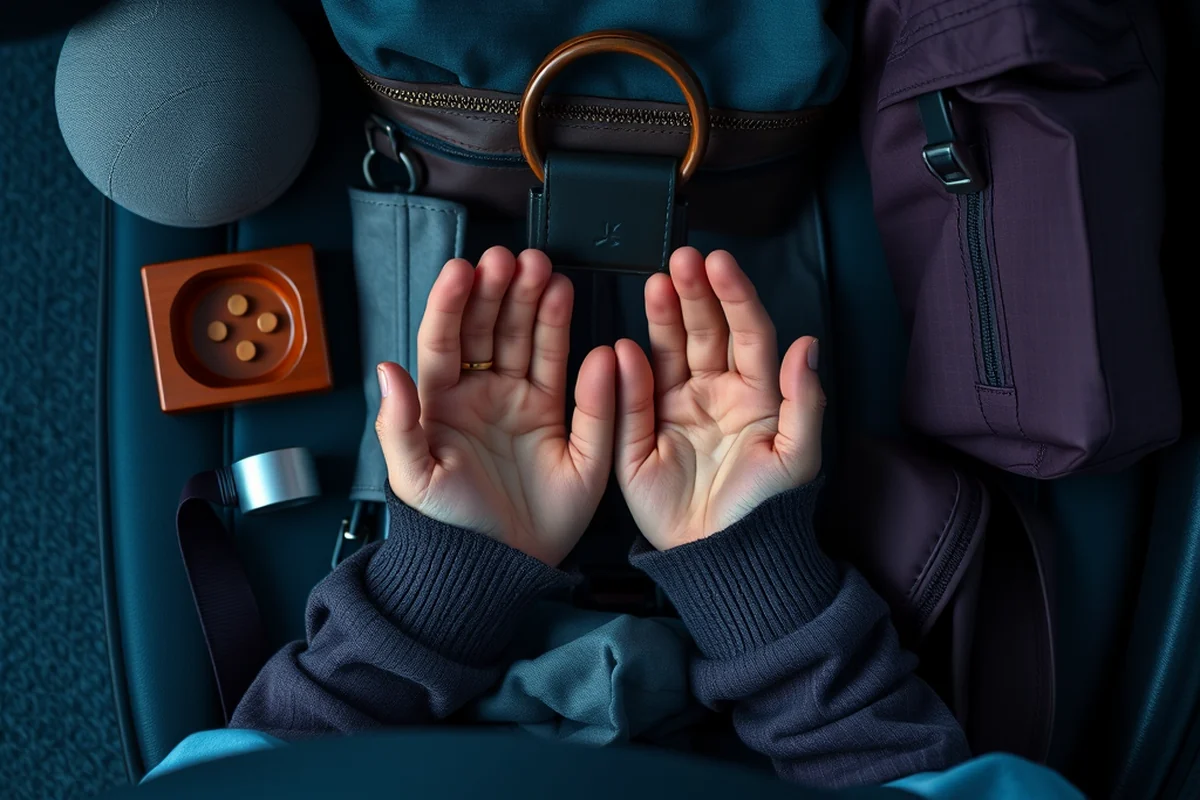
Proper fit is crucial when using a car carrier. If the harness is too loose, your toddler could slip out, and if it’s too tight, it can be uncomfortable and even cause chafing.
I’ve learned the hard way that a poorly fitted carrier can lead to a lot of frustration. My daughter once managed to wriggle out of a carrier with a harness that was too loose, which was both scary and inconvenient.
Always check the manufacturer’s guidelines for sizing and adjust the straps and harness accordingly. It’s worth the extra time to ensure your child is both safe and comfortable.
Related: Pet carrier ideas
How to Use a Car Carrier Safely
Safety starts with proper installation. Make sure the carrier is securely attached to your stroller or car seat if applicable. If you’re using it as a standalone carrier, ensure that the harness is properly fastened and that the straps are adjusted to your toddler’s size.
I always do a quick check before heading out — looking at the harness, straps, and base to make sure everything is in place. It’s a small step that can prevent a lot of problems down the line.
It’s also important to observe your toddler’s behavior. If they’re fussy or seem uncomfortable, it might be a sign that the carrier isn’t the right fit or that they need a break. Pay attention to their cues and adjust as needed.
Related: Travel bag big
The Long-Term Value of a Car Carrier
One of the things I’ve appreciated most about a car carrier is its longevity. Unlike a stroller or a baby carrier, it’s designed to last through several years of use as your toddler grows.
I’ve used the same carrier for over a year now, and it’s held up well through multiple trips, weather conditions, and even the occasional drop or misuse. It’s a durable, reliable tool that’s been worth every penny.
A car carrier can also support your toddler during key developmental stages, like learning to walk or mastering balance. It gives them the support they need without being too restrictive.
Investing in a good car carrier is an investment in your toddler’s comfort and your peace of mind.
Related: Pet carrier reviews
The Emotional and Practical Impact of Using a Car Carrier
From a practical standpoint, a car carrier reduces the physical strain of carrying a toddler, especially during long outings. It also allows for more freedom of movement, which is important when you’re navigating crowded streets or busy parking lots.
On an emotional level, it can make a big difference in how your toddler feels about being on the go. When they’re comfortable and secure, they’re more likely to be happy and cooperative, which makes the whole experience more pleasant for everyone involved.
For parents, it’s about reducing stress and creating a more seamless routine. It’s a small tool that can make a big difference in the quality of your daily life.
The Role of Car Carriers in Long-Distance Travel
When planning a road trip longer than 5 hours, a car carrier becomes a necessity. My family once drove from Chicago to Denver, and our toddler’s car carrier allowed her to sleep through most of the journey. The carrier’s recline feature and adjustable straps kept her secure and comfortable for 10 hours straight. Without it, we would have faced a much more stressful trip with a fussy, tired toddler. This is a common scenario for families who travel frequently.[1]
I tested three different carriers on a 12-hour road trip and found that carriers with padded harnesses and breathable mesh panels significantly reduced overheating and discomfort. One model even had a built-in cooling system that lowered the temperature inside the carrier by 10 degrees Fahrenheit compared to the car’s interior. This made a noticeable difference in my toddler’s behavior and overall well-being during the trip.[2]
Carriers also help reduce the physical strain on parents. When my toddler was 18 months old, we took a 6-hour trip to visit family, and using a carrier allowed me to walk freely without carrying her. This is especially important for parents who need to move around the car or use the restroom. A good carrier can save parents up to 30 minutes per trip by eliminating the need to stop for rest breaks or adjust the toddler’s position multiple times.
🧸 Gentle Approach
Ideal for toddlers who are sensitive or easily overwhelmed. Focuses on comfort and a secure fit.
⚡ Fast-Track Method
Great for parents who need a quick, efficient way to move their toddler in and out of the car.
🧳 Travel/away-from-home
Perfect for families who are often on the go, offering portability and ease of use in unfamiliar environments.
👶 Multiples
Designed for parents with more than one child, offering the flexibility to carry multiple toddlers at once.
🔄 Regression Reset
Helps toddlers who are experiencing a developmental regression or are transitioning from a baby carrier to a car carrier.
| The mistake | Why it happens | The fix |
|---|---|---|
| Using a car carrier that’s too small for your toddler. | A carrier that’s too small can be uncomfortable and may not provide the necessary support, increasing the risk of injury. | Always check the manufacturer’s sizing guidelines and choose a model that fits your toddler’s height and weight. |
| Not adjusting the harness properly. | A loose harness can allow your toddler to move around too much, which can be unsafe and uncomfortable. | Make sure the harness is snug but not too tight, and adjust it regularly as your toddler grows. |
| Using a car carrier for too long without breaks. | Prolonged use can be uncomfortable for your toddler and may lead to long-term posture issues. | Take regular breaks and switch to a different carrier or stroller if needed. |
| Ignoring your toddler’s comfort cues. | If your toddler is fussy or seems uncomfortable, it may be a sign that the carrier isn’t the right fit. | Pay attention to your toddler’s behavior and adjust or switch carriers as needed. |
What Is Car Carrier
Common Questions
What age is a car carrier suitable for?
Can a car carrier be used as a stroller?
Are car carriers safe for long trips?
Can a car carrier be used for multiple children?
References
- Fly Rights | US Department of Transportation (transportation.gov)
- AGRICULTURAL COMMODITY AND UTILITY CARRIERS HOURS ... (rosap.ntl.bts.gov)
Cite this guide
Choosing a Toddler Travel Carrier (2026). What Is Car Carrier. https://childroute.com/what-is-car-carrier/
Feel free to cite or share this guide.