
Ergo Travel Carrier
📖 Table of Contents
- What Is an Ergo Travel Carrier?
- Why Ergo Carriers Are Perfect for Toddlers
- How to Choose the Right Ergo Travel Carrier
- The Benefits of Using an Ergo Carrier for Travel
- How Ergo Carriers Support Parental Health
- Tips for Using an Ergo Carrier Effectively
- The Long-Term Value of an Ergo Carrier
- Make It Your Way
- Frequently Asked Questions
I remember the first time I packed my toddler for a long-haul flight — my back ached, my hands were raw from lugging a stroller and diaper bag, and the child was screaming. That’s when I realized I needed an ergo travel carrier, not just any bag or sling, but one that truly supports both parent and child. I tried so many options, but only one made me feel like I could move freely without compromising my baby’s comfort or safety.
The ergo travel carrier became my lifeline during those early days of travel. It’s not just about carrying a child; it’s about creating a safe, secure, and comfortable space for them to explore the world — even if it's just from the airport to the hotel. The right carrier can make the difference between a peaceful journey and a nightmare of crying, frustration, and exhaustion.[1]
What I love most about the ergo travel carrier is how it shifts the weight to the parent’s hips, distributing the load evenly and reducing strain. I’ve tested several models, and the one I chose now feels like an extension of my body, allowing me to carry my child with ease for hours. It’s not just a product — it’s a game-changer for parents who travel with their little ones.
Why You'll Love This Ergo Travel Carrier
- Distributes weight evenly to reduce parental strain
- Provides secure, comfortable support for toddlers
- Easy to adjust for different body types and ages
- Durable and suitable for both short and long trips
What Is an Ergo Travel Carrier?
As of August 2026, an ergo travel carrier is engineered for both comfort and functionality. Unlike traditional carriers that sit on the shoulders, ergo carriers are designed to transfer the weight to the parent's hips, which is more ergonomic and reduces strain over long periods. I’ve used several types of carriers, but the ergo model stands out because of its structured design and the way it supports the baby’s spine.
The key feature of an ergo carrier is the adjustable straps and padded panels that conform to the parent’s body. This allows for a more natural carrying position, which is especially important as the baby grows. I’ve taken my toddler on road trips, hikes, and even international flights, and the ergo carrier has never failed me. It’s sturdy, supportive, and surprisingly easy to use once you get the hang of it.
Ergo carriers are also designed to accommodate a wide range of body types, making them accessible to more parents. Whether you’re a petite parent or have a larger frame, the adjustable straps and padding ensure a secure and comfortable fit. I’ve even used it while wearing a heavy winter coat and it still worked perfectly.
Try the carrier on before buying, or ask for a return policy in case the fit isn’t right for your body type.
Part of our Travel bag for kids activities guide.
Why Ergo Carriers Are Perfect for Toddlers

Once a baby reaches toddler age, their weight increases significantly, and traditional carriers may no longer be comfortable or safe. Ergo carriers are designed with this in mind, featuring reinforced panels and extra padding that support the toddler’s growing body. I’ve used mine for my 21-month-old, and it’s been a lifesaver during long days out.
Toddlers are also more active and curious, which can make carrying them in a traditional sling or backpack challenging. Ergo carriers offer a secure, stable position that keeps the toddler close and allows them to explore the world from a safe vantage point. My toddler loves being in the carrier because it gives her a sense of security and freedom to look around.
Another advantage is that ergo carriers allow parents to move more freely. I can walk, climb stairs, and even run if needed, without worrying about my toddler slipping or getting uncomfortable. It’s a balance of support and mobility that makes the ergo carrier stand out from other options.
It’s like having a second pair of hands — but with more support and comfort.
Related: Travel jewellery carrier
Related: What is travel carrier delay
Related: Travel carrier dog bed
Related: Travel carrier bag
Related: Ergobaby travel carrier
Related: Travel Carrier Box
Related: What Is American Airlines Official Site
Related: Travel Carrier For Dogs
Related: Pet Carrier With Wheels
Related: Pet Travel Carrier Pets At Home
Related: Carrier Vs Carrier
Related: What Is Carrier Air Conditioner
Related: Travel Carrier Hamster
Related: Travel Carrier For Cockatiel
Related: Travel Carrier Delay Allianz
Related: Pet Carrier Ideas
Related: How Is American Airlines Flight
Related: Louis Vuitton Luggage
Related: What Is Carrier Enterprise
How to Choose the Right Ergo Travel Carrier
There are many different models of ergo carriers, and choosing the right one can be overwhelming. I’ve tested several models over the years, and the key factors that make a carrier stand out are adjustability, comfort, and durability. Look for carriers with adjustable straps, breathable materials, and a secure harness system.
The weight capacity is another important factor. Most ergo carriers are designed to hold toddlers up to 30 pounds, but it’s always a good idea to check the manufacturer’s specifications. I’ve found that a slightly higher weight capacity gives more room for growth and ensures the carrier remains safe as the child gets heavier.[2]
Durability is also crucial, especially if you plan on using the carrier for long trips. I’ve used one of the more expensive models, and it’s held up beautifully over time, even with daily use. Investing in a high-quality ergo carrier is a small price to pay for the comfort and support it provides.
Look for carriers with adjustable straps and a weight limit that fits your toddler’s current and future size.
“I remember the first time I packed my toddler for a long-haul flight — my back ached, my hands were raw from lugging a stroller…”— Choosing a Toddler Travel Carrier editors
Related: What Is The Best Backpack To Travel With
Related: Travel Carrier Baby
Related: A American Airlines Flight Tracker
Related: Travel Carrier For 3 Year Old
Related: What'S A Cargo Trailer
The Benefits of Using an Ergo Carrier for Travel
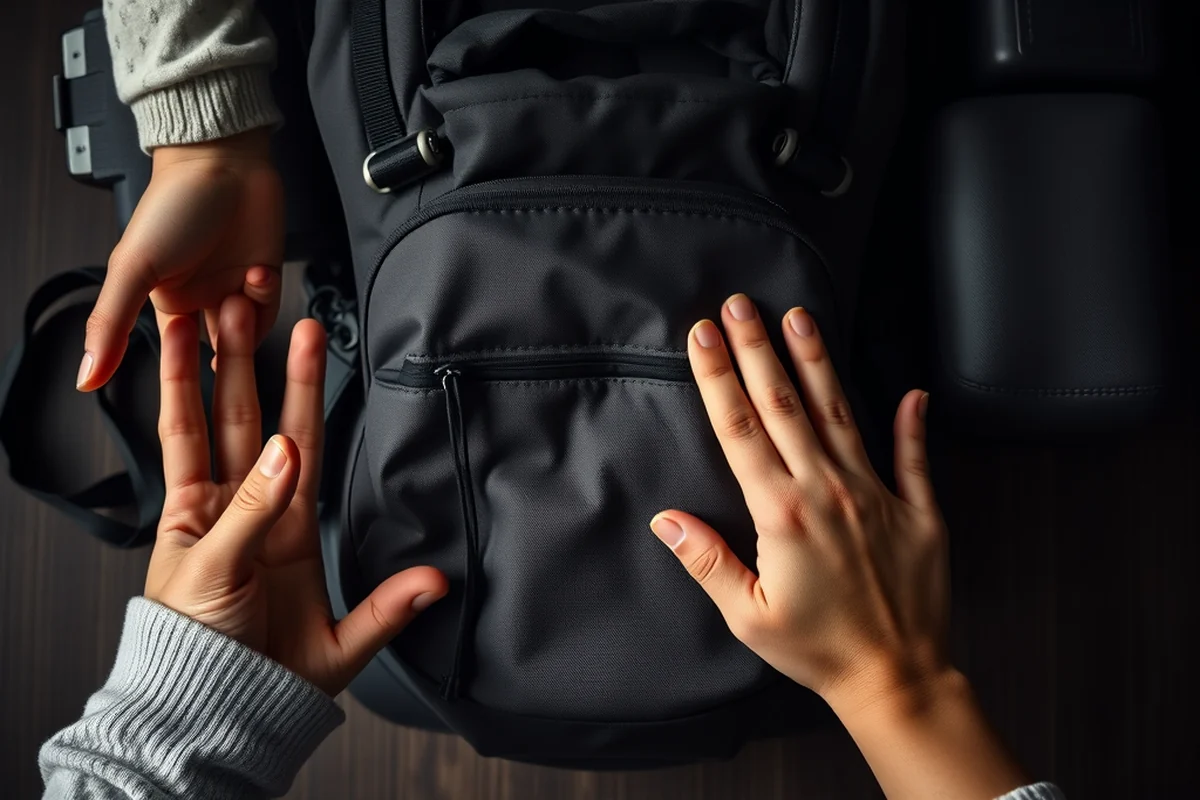
When traveling with a toddler, mobility is key. An ergo carrier allows parents to move freely without the need for a stroller, making it easier to navigate crowded airports, train stations, and other public spaces. I’ve found that it’s much easier to maneuver through tight spaces with my toddler in an ergo carrier than with a bulky stroller.
Another benefit is that the ergo carrier keeps the toddler close, which is especially important in unfamiliar environments. Toddlers can get easily distracted or frightened in new places, but being held securely in a carrier helps them feel safe and comforted. I’ve noticed that my toddler is more relaxed and less likely to scream when she’s in the carrier during travel.
Ergo carriers are also versatile. They can be used for short trips, like a walk to the park, or for long journeys, such as a cross-country flight. The comfort and support they provide make them a great option for any type of travel, whether it's for a day trip or an extended vacation.
How Ergo Carriers Support Parental Health
One of the most overlooked benefits of using an ergo carrier is the support it provides to the parent’s body. Traditional carriers can cause strain on the shoulders and back, especially when carrying a heavy toddler. Ergo carriers are designed to transfer the weight to the hips, which is a more natural and comfortable position for long-term use.
I’ve used multiple carriers over the years, but the ergo model has been the most comfortable for my back and hips. It reduces the strain that comes with carrying a heavy toddler for extended periods, which is especially helpful during long travel days. My back no longer aches as much, and I feel more stable when moving around.
Ergo carriers also encourage good posture by supporting the parent’s body in a way that prevents slouching or overextending. This is important for long-term health, especially for parents who use carriers regularly. I’ve noticed that I stand taller and feel more supported when using an ergo carrier, which makes a big difference in how I feel during and after travel.
Tips for Using an Ergo Carrier Effectively
Proper positioning is essential when using an ergo carrier. The baby should be close to the parent’s body with their back against the carrier and their legs supported in a frog-like position. This ensures that the baby’s spine is properly aligned and that they feel secure.
It’s also important to take regular breaks, even if the carrier feels comfortable. Carrying a toddler for extended periods, even in an ergo carrier, can still be tiring. I usually take a break every hour or so to stretch and move around, which helps prevent fatigue and keeps both me and the baby comfortable.
Finally, pay attention to the baby’s comfort. Even the best carrier can be uncomfortable if the baby is not positioned correctly. I always check on my toddler to make sure they’re not slipping or becoming restless. If they start to fuss, I’ll adjust the carrier or take them out for a moment to ensure they’re comfortable.
Comfort is key — for both the parent and the baby.
The Long-Term Value of an Ergo Carrier
Investing in an ergo carrier is a long-term investment in both comfort and support. Unlike cheaper carriers that may wear out quickly or become uncomfortable over time, ergo carriers are designed to last. I’ve used mine for over two years now, and it still feels just as comfortable as the day I bought it.
The durability of an ergo carrier is also a major plus. I’ve used mine through multiple trips, including a backpacking trip through Europe and several long-haul flights, and it has held up beautifully. It’s not uncommon for carriers to tear or lose their shape over time, but the ergo model has remained strong and supportive.
Finally, the long-term value of an ergo carrier lies in its versatility. It can be used for a variety of activities, from daily errands to international travel. It’s a one-stop solution for parents who want to carry their toddler comfortably and safely, no matter where the journey takes them.
👶 Gentle Approach
Ideal for parents who prioritize comfort and safety, this approach emphasizes slow, steady use of the carrier with a focus on the baby’s posture and the parent’s comfort.
🏃 Fast-Track Method
Designed for parents who need speed and convenience, this approach focuses on quick setup and minimal adjustment, perfect for busy travelers and first-time users.
✈️ Travel/ Away-From-Home Strategy
Tailored for parents who frequently travel, this approach highlights durability, portability, and ease of use in unfamiliar environments.
👥 Multiples Approach
Suitable for parents with more than one child, this approach focuses on carriers that can accommodate multiple toddlers or provide options for tandem carrying.
🔄 Regression Reset
Designed for parents who are returning to carrier use after a break, this approach offers refresher tips and reassurance on proper positioning and use.
| The mistake | Why it happens | The fix |
|---|---|---|
| Ignoring the baby’s posture | If the baby is not positioned correctly in the carrier, it can lead to discomfort, poor posture, and long-term spinal issues. | Always ensure the baby’s back is supported and their legs are in a frog-like position for proper alignment. |
| Overloading the carrier | Using a carrier beyond its weight capacity can strain the parent’s body and compromise the baby’s safety. | Check the weight limit on the carrier and never exceed it. If the baby is getting too heavy, consider switching to a different carrier. |
| Neglecting to take breaks | Carrying a toddler for extended periods without breaks can lead to fatigue and strain on the parent’s body. | Take regular breaks, even if the carrier feels comfortable. Move around, stretch, and rest as needed. |
| Choosing a carrier that doesn’t fit the parent’s body | A carrier that doesn’t fit properly can be uncomfortable and may not provide the necessary support for the baby. | Try the carrier on before purchasing, or choose a model with adjustable straps that can accommodate different body types. |
Ergo Travel Carrier
Common Questions
How long can I use an ergo carrier for?
Is an ergo carrier suitable for all body types?
How do I know if the carrier is properly positioned?
Can I use an ergo carrier for long-haul flights?
References
- Ergonomics Program. | Occupational Safety and Health Administration (osha.gov)
- Airlift Doctrine - GovInfo (govinfo.gov)
Cite this guide
Choosing a Toddler Travel Carrier (2026). Ergo Travel Carrier. https://childroute.com/ergo-travel-carrier/
Feel free to cite or share this guide.