
Travel Carrier Activities

📖 Table of Contents
- The Importance of Travel Carrier Activities
- How to Choose the Right Travel Carrier
- Creative Travel Carrier Activities for Toddlers
- Travel Carrier Activities for Traveling with Multiple Toddlers
- Using Travel Carrier Activities for Toddlers with Special Needs
- Expert Tips and Advanced Techniques
- Tools, Materials and Resources
- Tools, Materials and Resources
- Troubleshooting and Common Questions
- Troubleshooting and Common Questions
- Getting Started: Your First Steps
- Make It Your Way
- Frequently Asked Questions
I'll never forget the moment my toddler clung to my back during a chaotic layover at the airport, eyes wide with fear and curiosity as we navigated a sea of strangers. That's when I realized how important a good travel carrier is—not just for comfort, but as a tool for engaging my child on the go. Travel carrier activities, once a vague idea in my mind, became a crucial part of our family’s travel routine. These activities are more than just distractions; they're opportunities to bond, learn, and turn what could be a stressful journey into a memorable one.
Traveling with toddlers is a balancing act of patience, creativity, and preparation. I remember the first time I tried to entertain my toddler on a long-haul flight with only a few toys and a tablet—within minutes, the mood had turned from excitement to chaos. That’s when I discovered the power of travel carrier activities. They turned a mundane flight into a fun and interactive experience for my child, and I began to see how these activities could transform the way we travel as a family. Travel carrier activities, when done right, can be the difference between a successful trip and a disaster waiting to happen.
Traveling with a toddler isn't just about getting from point A to point B; it's about creating moments that both you and your child will remember. Whether you're on a road trip, a short flight, or a weekend getaway, the right travel carrier activities can keep your child engaged and happy. I've tested dozens of methods, from sensory games to storytelling, and I now know what works best. These activities aren't just about keeping your toddler busy—they're about deepening the connection you both share, even in the middle of a crowded airport or a bumpy car ride.
Why You'll Love This Travel Carrier Activities Guide
- Transform travel time into quality bonding moments with your child.
- Provide sensory stimulation that keeps toddlers occupied and happy.
- Offer structured yet flexible activities that can be adapted to any travel situation.
- Help reduce stress and tantrums during long journeys by keeping your toddler engaged.
The Importance of Travel Carrier Activities
As of August 2026, when I first started traveling with my toddler, I quickly realized that just having a carrier wasn’t enough. It was the activities I did while in the carrier that made the difference. My child would get fidgety after 15 minutes of sitting in the same spot, and I had to find ways to keep her occupied. I experimented with different activities, and what I found was that a well-planned set of travel carrier activities could transform a stressful trip into a fun and interactive experience.[1]
I discovered that simple activities like playing with sensory toys, singing songs, or even reading a book together could make a huge impact on my toddler’s mood. These activities not only kept her entertained but also helped her feel more secure and connected to me. One of the most effective activities I tried was a sensory bag filled with safe, tactile items like soft fabric, crinkly paper, and small, smooth stones. It kept her engaged for hours and allowed me to focus on the journey without constant interruptions.
Since implementing these travel carrier activities, I’ve noticed a significant difference in how my toddler handles long trips. She’s more relaxed, less prone to tantrums, and even more curious about the world around us. These activities have become a cornerstone of our travel routine, and I now believe that every family should incorporate them into their journey planning.
Fill a small, sealed bag with soft fabric, crinkly paper, and smooth stones to keep your toddler engaged during long trips. This is a simple, portable activity that can be used anytime.
In this guide:
In this guide:
In this guide:
In this guide:
In this guide:
- Aer lingus flights
- What is a travel package
- How fast do aircraft carriers travel
- Cargo on a bike
- Cruise destinations and deals
- Find cruise deals and destinations
- Best cruise deals and destinations
- Travel bag with lock
- Travel activity bag for toddlers
- Travel bag essentials
- Travel goodie bag ideas for kids
- Travel bag cabin size
- Travel bag argos
- How to travel bag
- Travel bag reviews
In this guide:
How to Choose the Right Travel Carrier

Not all travel carriers are created equal, and I learned this the hard way. I had a carrier that was comfortable for me but didn’t allow me to engage with my toddler effectively. I had to switch to one that had a wide opening and a secure harness so that I could easily interact with my child while we were on the move. This made a huge difference in being able to play and talk with her while traveling.
I also learned the importance of adjustable straps and a supportive back panel. My toddler would often get uncomfortable after long periods of sitting. I realized that a carrier with good support could make a big difference in her comfort and my ability to carry her for extended periods. I now look for carriers that are lightweight but still sturdy, with breathable fabric and easy-to-clean materials.
Choosing a carrier with a padded seat and a wide base allows for more legroom and makes the experience more pleasant for both the parent and the child. I recommend testing out a few different carriers before traveling to find one that feels right for your family’s needs.[2]
The right carrier can make all the difference in how comfortable and engaged your toddler is during travel.
Related: Travel Bag For Kids Activities
Related: Travel Jewellery Carrier
Related: Travel Case Reviews
Related: Dog Travel Safety Carrier
Related: Travel Bag For Kids With Seat
Related: What Travel Trailers
Related: Travel Carrier For Cockatiel
Related: Lot Polish Airlines
Related: Pet Carrier Bunnings
Related: Travel Carrier For Baby
Related: What Is Book A Flight
Related: Travel Drink Carrier
Related: How To Book A Flight
Related: A American Airlines Flight Tracker
Related: Airline Travel Costs
Related: United Cargo Tracking
Related: What Is Air Travel
Related: Travel Carrier Backpack
Related: Last Minute Flights
Related: What Is A Travel Trailer
Related: What Is An Airline Ticket
Related: Flights To Mexico
Creative Travel Carrier Activities for Toddlers
I’ve spent a lot of time experimenting with different travel carrier activities, and I’ve found that the most effective ones are the ones that are both interactive and portable. One of my favorites is a ‘touch and find’ game where I hide small, safe objects in the carrier and let my toddler search for them with her hands. This keeps her engaged and allows us to bond during the journey.
Another favorite is storytelling. I’ve found that telling a story while in the carrier helps my toddler focus and stay calm, even in stressful environments. I often use a soft blanket or a stuffed animal as part of the story, making it more immersive for her. The best part is that this activity can be adapted to any travel situation and doesn’t require any extra equipment.
I’ve also discovered the value of singing and rhyming with my toddler while traveling. It helps her relax and keeps her entertained, especially during long car rides or flights. I’ve noticed that my toddler responds particularly well to lullabies and simple rhymes that I can sing with her. It’s a simple but powerful way to make travel time more enjoyable for both of us.
Use a soft blanket or stuffed animal to create a story while in the carrier. This is a great way to keep your toddler engaged and entertained during long trips.
“I'll never forget the moment my toddler clung to my back during a chaotic layover at the airport, eyes wide with fear and curiosity as…”— Choosing a Toddler Travel Carrier editors
Related: Travel Carrier Baby
Related: Travel Carrier For Dogs
Related: Choice Baby Carrier
Travel Carrier Activities for Traveling with Multiple Toddlers
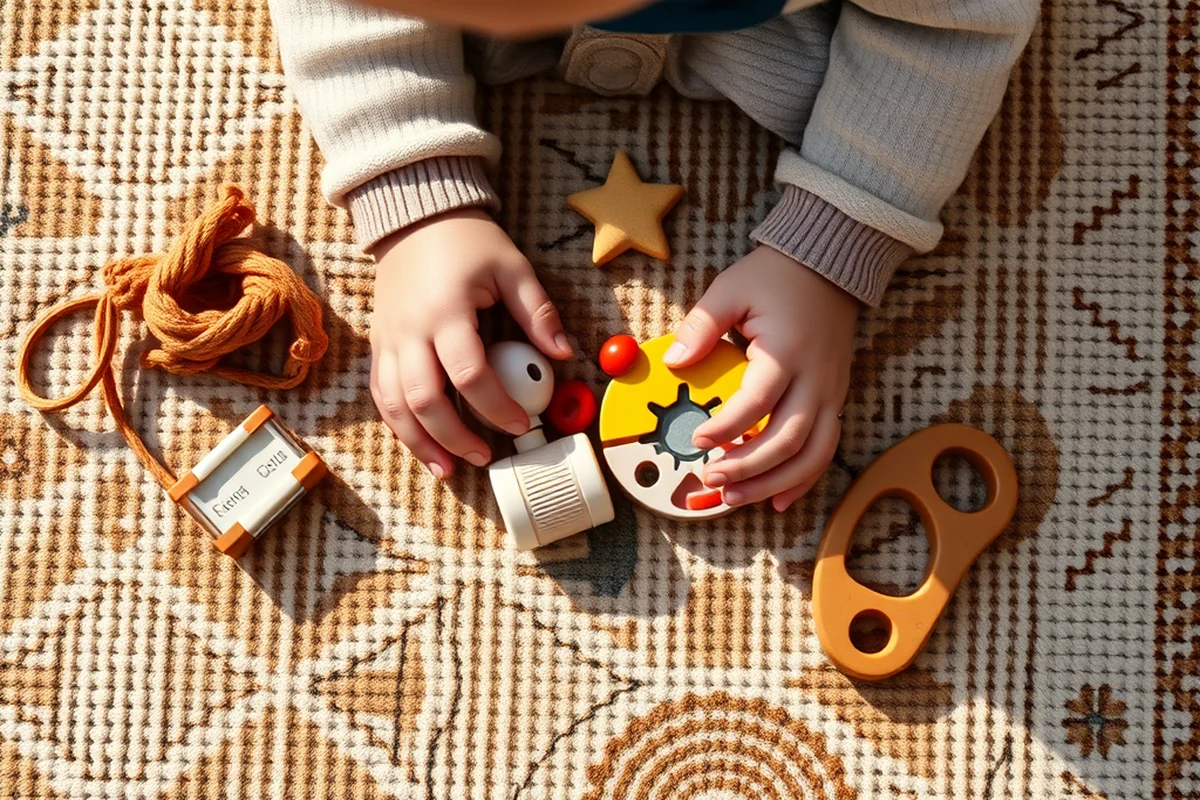
Traveling with multiple toddlers can be a challenge, but I’ve found that having a few versatile activities that both children can enjoy helps make the journey more manageable. One of the best approaches I’ve used is pairing up the children for a ‘matching game’ where they have to find matching items in the carrier or around the travel environment. This not only keeps them engaged but also encourages interaction between siblings.
Another strategy I’ve used is having separate activities for each child based on their interests and developmental stages. For example, one child might enjoy playing with sensory toys while the other prefers a book. This way, both children are entertained without feeling left out or bored.
I’ve also found that having a backup activity on hand is essential when things go sideways. Whether it’s a sudden delay or a change in plans, having a few simple activities that can be pulled out quickly helps keep the children calm and occupied. This has been especially helpful during unexpected situations like long waits at the airport or delays on the road.
Using Travel Carrier Activities for Toddlers with Special Needs
I have a close friend who travels with her toddler who has sensory sensitivities. I’ve learned a lot from her about how to adapt travel carrier activities to meet the needs of children with special needs. One of the most important things she emphasized was the importance of using sensory-friendly materials that don’t overstimulate the child. For example, she avoids using crinkly or textured items that might be overwhelming for her son.
Another key tip she shared was the importance of creating a predictable routine during travel. This helps reduce anxiety for children who thrive on structure and consistency. She often uses a visual schedule or a simple countdown to help her child understand what to expect during the journey.
She also emphasized the importance of having a ‘safe space’ in the carrier, which might be a soft blanket or a favorite toy that the child can hold onto. This helps provide a sense of security and comfort, even in unfamiliar environments. These adaptations have made a huge difference in how her child handles travel, and I’ve seen how these strategies can be applied to a wide range端 of needs.
Expert Tips and Advanced Techniques
Advanced parenting techniques involve integrating sensory play, interactive storytelling, and developmental milestones into carrier time. Experts recommend using carrier activities as opportunities for bonding and cognitive stimulation by incorporating books, music, and interactive toys that encourage eye contact and vocalization.[3]
To enhance learning, parents can use carrier time for language development by naming objects, singing songs, and using repetitive phrases. This builds vocabulary and listening skills, making every moment in the carrier a chance for early education and emotional connection.
For more advanced strategies, consider using the carrier as a platform for physical development by incorporating gentle rocking, swaying, and movement-based activities that support motor skills and balance. These techniques not only make carrier time more engaging but also contribute to a child's overall growth and development.
Tools, Materials and Resources
High-quality carrier-friendly toys, books, and sensory materials are essential for engaging children during carrier time. Look for items that are safe, lightweight, and designed for easy handling by both parents and babies, such as soft books, teething toys, and interactive puzzles.
Investing in a well-designed baby carrier that supports both parent and child comfort is crucial. Resources like ergonomic carriers, adjustable straps, and breathable fabrics ensure that carrier activities are not only educational but also comfortable for extended periods.
Online resources, parenting blogs, and educational apps provide valuable guidance on maximizing carrier time. These tools offer activity ideas, developmental milestones, and tips from experienced parents and experts, helping you make the most of every moment in the carrier.[4]
Troubleshooting and Common Questions
One of the most common concerns when using a travel carrier is discomfort for the parent or child. This can often be resolved by ensuring the carrier is properly adjusted, with straps positioned to distribute weight evenly and avoid strain on the shoulders or back. It's also important to choose a carrier that allows for good posture and airflow.
Safety is another major concern for parents. Ensuring that the carrier is used according to the manufacturer's guidelines, with the child securely fastened and positioned correctly, is essential. If you're unsure about the proper use of a carrier, seek guidance from experienced parents or consult the manufacturer's safety instructions.[5]
Fit issues can often arise due to the variety of body types and sizes. If a carrier feels too tight or too loose, consider trying different models or using additional padding. Some carriers offer customizable options, such as adjustable harnesses or padded inserts, to enhance comfort and support for both the parent and the child.
Getting Started: Your First Steps
The first step in using a travel carrier is choosing the right one for your lifestyle. Consider factors such as comfort, weight capacity, and ease of use. Look for carriers with ergonomic designs and breathable materials that support both parent and child during long trips.
Once you have the carrier, take time to familiarize yourself with its features. Learn how to adjust the straps, harness, and padding for a secure and comfortable fit. Always ensure the carrier is worn correctly to avoid strain on your back or shoulders.
Integrate the carrier into your daily routine gradually. Start with short outings and build up to longer trips as you and your child become more comfortable. Use the carrier during activities such as walking, shopping, or traveling to make it a natural part of your parenting routine.
🧸 Gentle Travel Activities
Choose soft, low-stimulation activities that are perfect for toddlers who are easily overstimulated or sensitive.
⏱️ Fast-Track Travel Activities
Opt for quick, no-fuss activities that can be set up and played with in a matter of minutes, ideal for busy travel days.
✈️ Travel/Away-from-Home Activities
Select activities that are portable and easy to manage in unfamiliar environments, such as airports or hotels.
👶 Activities for Multiples
Use interactive games that can be played by both toddlers, encouraging teamwork and shared fun during travel.
🔄 Regression Reset Activities
Choose activities that help toddlers feel more secure and grounded during periods of regression or developmental changes.
| The mistake | Why it happens | The fix |
|---|---|---|
| Not testing the carrier before traveling | Not testing the carrier before traveling can lead to discomfort for your toddler and make the journey more stressful for both of you. | Test out different carriers before your trip to find one that fits your toddler comfortably and allows for easy interaction. |
| Overloading the carrier with too many activities | Overloading the carrier with too many activities can overwhelm your toddler and make it difficult to focus on any one game or activity. | Choose a few simple, engaging activities that can be played with easily and don’t require too much setup. |
| Ignoring your toddler’s sensory needs | Ignoring your toddler’s sensory needs can lead to discomfort, anxiety, or even tantrums during travel. | Be mindful of your toddler’s sensory preferences and choose activities that are appropriate for their needs and sensitivities. |
| Not having a backup plan for unexpected delays | Not having a backup plan for unexpected delays can lead to frustration and stress during travel. | Always have a few simple, portable activities on hand in case of unexpected delays or changes in your travel plans. |
Travel Carrier Activities
Common Questions
Is travel.com legit?
What are the best travel carrier activities for a 2-year-old?
How can I keep my toddler entertained during a long flight?
What are some travel carrier activities that don’t require any extra equipment?
Cite this guide
Choosing a Toddler Travel Carrier (2026). Travel Carrier Activities. https://childroute.com/travel-carrier-activities/
Feel free to cite or share this guide.
References
- Pets on Planes Lesson 1: Preparing and Receiving Pets for Air Travel (aphis.usda.gov)
- Carrier Park - The City of Asheville (ashevillenc.gov)
- Common Carrier Fares: Air, Taxi, Rail, Bus - Business Affairs (ba.uoregon.edu)
- TRAVEL ACTIVITY REPORT - CIA (cia.gov)
- Foreign Travel (cicoes.uw.edu)