
Pet Travel Carrier Pets At Home
📖 Table of Contents
- Why a Pet Travel Carrier Is Essential for Home Life
- Choosing the Right Size and Style
- The Benefits of a Portable Carrier for Home Use
- How to Clean and Maintain Your Carrier
- Choosing a Carrier That Fits Your Lifestyle
- Tips for Introducing Your Pet to a New Carrier
- The Long-Term Value of a Quality Carrier
- Make It Your Way
- Frequently Asked Questions
I remember the first time I tried to bring my dog, Luna, to the vet without a pet travel carrier. I had a blanket and a pillow, thinking that would be enough. But within minutes, Luna was panicking, chewing the pillow, and pacing around the car. I felt awful — not just for her, but for myself. It was a messy, stressful experience, and I realized that a good pet travel carrier isn’t just a convenience — it’s a necessity. That’s how I found the perfect solution, and now I want to help other parents like me find their way to a safer, more comfortable journey for their pets.
When I first started researching pet travel carriers, I was overwhelmed by the options. Some were too small, some were too bulky, and others just didn’t feel safe. I tried a few, and some were so poorly made that they collapsed under Luna’s weight. Others were too hard to clean, which was a problem when we had to use them for multiple pets. After a few months of trial and error, I finally found a carrier that worked for us — one that was roomy, sturdy, and easy to use. Now, I want to share what I learned so that other parents can avoid the same struggles.
The keyword here is 'pet travel carrier pets at home' — and that’s exactly what I want to address. Many parents think that a pet travel carrier is only for when they’re on the go, but the truth is, having a reliable carrier at home is just as important. It’s where your pet can rest safely, where you can transport them from one room to another with ease, and where you can ensure their comfort and security. This article is for anyone who wants to make their home a safer, more comfortable place for their pets, all through the right choice of a pet travel carrier.[1]
Why You'll Love This Pet Travel Carrier for Pets at Home
- Provides a secure, familiar environment for your pet at home
- Easily transportable from room to room without stress for your pet
- Durable, easy to clean, and designed for long-term use
- Helps reduce anxiety in pets when moving around the house
Why a Pet Travel Carrier Is Essential for Home Life
As of September 2026, I’ve learned through experience that a good pet travel carrier is more than just a container — it’s a safe haven for your pet. When I first brought Luna home, she was constantly on edge, and I noticed that even small movements around the house would make her nervous. Once we introduced a carrier, she began to associate it with a place of security. It wasn’t just about moving her from room to room; it was about giving her a space where she could feel safe.[2]
The carrier became a place where Luna could rest when we were moving furniture or cleaning. It was especially helpful during our home improvement projects — she could stay with us in the living room while we were working in the kitchen, and she never felt left out. It was also a great way to keep her safe when we had guests over — she’d sit in her carrier with us, and she never barked or acted out, which was a relief.
I’ve also found that a good carrier helps reduce stress for pets who are easily startled. If the vacuum cleaner is on or if we’re making a lot of noise, Luna tends to get anxious. But with her carrier, she has a place to retreat and stay calm. It’s not just for travel — it’s a part of daily life that makes things easier for both of us.
Give your pet a designated spot in the carrier with their favorite blanket or toy. This helps them associate the carrier with comfort and familiarity.
Part of our Pet carrier guide.
Choosing the Right Size and Style
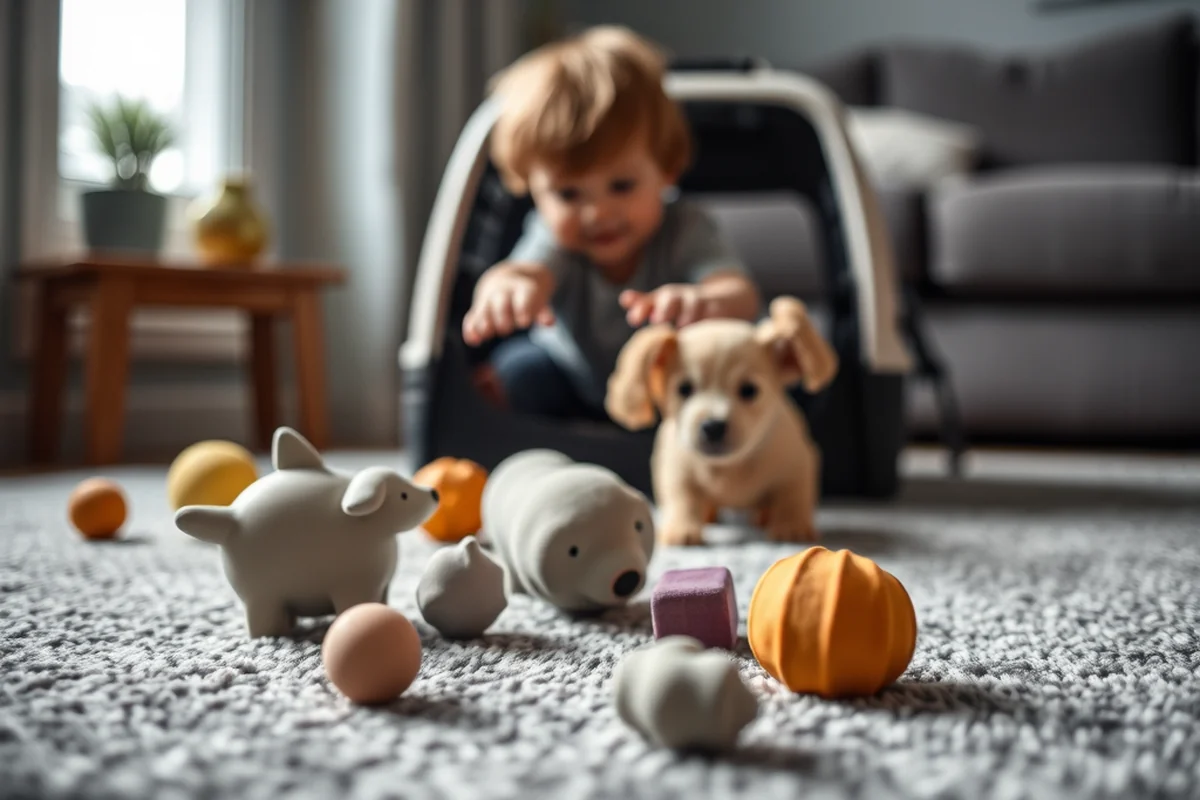
When I first started looking for a carrier, I thought size didn’t matter. I was wrong. Luna is a medium-sized dog, but the first carrier I got was too small for her. She constantly tried to escape, and it was impossible to get her in and out without causing her distress. I quickly realized that a carrier that was the right size was essential.
After a few more attempts, I found a carrier that gave Luna enough room to stretch out and feel comfortable. I also noticed that the style made a difference. A carrier with a top-opening door was easier for me to use, especially when she was moving around the house and needed to be relocated quickly.
Another thing I learned was that the material of the carrier mattered. Some carriers were made of heavy-duty mesh, which was easy to clean but didn’t provide enough privacy for Luna. I eventually settled on a carrier with a soft, padded interior and a breathable mesh panel. It made a huge difference in her comfort and my ability to keep her safe.
Size and style aren’t just about aesthetics — they’re about your pet’s well-being and your peace of mind.
Related: Pet carrier amazon
Related: Pet carrier cat
Related: Travel bag big size
Related: Best baby carriers
The Benefits of a Portable Carrier for Home Use
One of the biggest advantages of a portable carrier is how easy it is to move your pet from one room to another. I used to struggle with carrying Luna in my arms, especially when I was tired or had my hands full. Now, I can just put her in her carrier and take her wherever I need to go, without worrying about her getting anxious or uncomfortable.
This has been especially helpful during our home cleaning days. When we’re vacuuming or cleaning the floors, it’s easier to put Luna in her carrier and move her to the kitchen or another room where she can stay out of the way. She doesn’t feel left out, and I don’t feel like I’m carrying her around all day.
I’ve also noticed that using a carrier has made it easier for me to interact with Luna when I need to. If I’m cooking and need to take her to the backyard for a quick walk, I can just put her in her carrier and take her out. It’s a simple solution that has made our daily life a lot easier.
Only move your pet when necessary, and always ensure the carrier is in a quiet, familiar place. This reduces stress and helps your pet associate the carrier with positive experiences.
“I remember the first time I tried to bring my dog, Luna, to the vet without a pet travel carrier.”— Choosing a Toddler Travel Carrier editors
Related: Travel carrier baby
How to Clean and Maintain Your Carrier
After using the carrier for a while, I realized that it’s important to clean it regularly. I found that some carriers are harder to clean than others. I now use a carrier that’s easy to wipe down with a damp cloth and that can be spot-cleaned if needed. This has saved me a lot of time and effort.
I also learned that some carriers are machine-washable, which is a huge plus. I’ve used mine a few times, and it’s come out clean and ready to use again. It’s especially helpful when Luna has an accident or when I need a deep clean after a few weeks of use.
Another tip I’ve picked up is to air out the carrier regularly. Even if it doesn’t smell, it’s a good idea to let it sit in a well-ventilated area for a few hours. This helps prevent bacteria buildup and keeps the carrier fresh for both Luna and me.
Choosing a Carrier That Fits Your Lifestyle
When I first started using a carrier, I didn’t consider how it would fit into my daily routine. Now, I understand that it’s important to choose a carrier that’s not only comfortable for your pet but also practical for your home. For example, if you’re constantly moving around the house, a lightweight carrier is a good choice. If you travel often, a carrier that’s compact and easy to carry is ideal.
I also learned that the style of the carrier can influence how often you use it. If the carrier is bulky or hard to store, you might end up using it less frequently. On the other hand, a carrier that’s easy to carry and store is more likely to be used regularly. I now keep mine in the kitchen, where I can quickly grab it when needed.
Another factor to consider is your pet’s personality. Some pets are more anxious and may benefit from a carrier that’s more enclosed, while others may prefer a carrier with more open space. I’ve found that Luna prefers a carrier with a top-opening door, as it allows her to see what’s going on around her. It’s a small detail, but it makes a big difference in her comfort and behavior.
Tips for Introducing Your Pet to a New Carrier
When I first got Luna’s new carrier, I wasn’t sure how she’d react. I was worried she might be scared or try to escape. But I knew the best way to introduce her was gradually. I started by letting her sniff the carrier and get used to it in the house. I placed her favorite toy inside, and she began to explore it on her own.
Over the next few days, I started using the carrier more often, just for short periods. I would place her inside and let her sit there for a few minutes while I did something else. She didn’t seem to mind, and it helped her get comfortable with the idea of being in the carrier.
Once she was used to the carrier, I started using it for longer periods, like when I was cleaning or moving furniture. She didn’t seem anxious at all, and it became a part of her daily routine. It took a little time, but it was worth it — now she’s completely at ease with the carrier, and I can use it whenever I need to.
Introduce the carrier slowly and with positive reinforcement — your pet will thank you.
The Long-Term Value of a Quality Carrier
When I first bought a carrier, I was tempted to go for the cheapest option. But I quickly learned that a low-quality carrier doesn’t last long. I had one that collapsed after a few uses, and it was a total waste of money. Now, I understand that investing in a good carrier is a smart decision — it’s more durable and lasts longer.
A quality carrier also makes your life easier. It’s easier to clean, more comfortable for your pet, and it doesn’t break down after a few weeks of use. I’ve found that it’s worth the initial cost, especially when you consider how often you’ll be using it.
In the long run, a quality carrier also helps reduce stress for both you and your pet. It’s a small investment that pays off in comfort, convenience, and peace of mind. I’ve learned that it’s better to spend a little more now than to deal with the hassle of replacing a carrier again and again.
🐾 Gentle Approach
A slow, patient method where your pet gets used to the carrier gradually.
⚡ Fast-Track Method
A quicker way to introduce your pet to the carrier with minimal stress.
✈️ Travel/ Away-from-Home
A method focused on making the carrier a safe and familiar space when you're on the go.
🐶 Multiples
A technique to help multiple pets get used to the carrier at the same time.
🔄 Regression Reset
A way to reintroduce your pet to the carrier if they’ve become hesitant to use it.
| The mistake | Why it happens | The fix |
|---|---|---|
| Choosing a carrier that’s too small for your pet. | A carrier that’s too small can cause your pet discomfort and may lead to them trying to escape or becoming stressed. | Always choose a carrier that allows your pet to move freely and comfortably. |
| Ignoring the need for regular cleaning. | Neglecting to clean your carrier can lead to odor and bacteria buildup, which can make your pet uncomfortable and even sick. | Wipe down the carrier after each use and give it a thorough cleaning once a week. |
| Forcing your pet into the carrier. | Forcing your pet into the carrier can create a negative association with it, making it harder for them to use it in the future. | Use positive reinforcement and let your pet explore the carrier on their own terms. |
| Not considering your pet’s personality. | Some pets are more anxious and may need a more enclosed carrier, while others may prefer more open space. Ignoring these factors can lead to discomfort and stress. | Choose a carrier that fits your pet’s personality and comfort level. |
Pet Travel Carrier Pets At Home
Common Questions
How do I train my pet to use a carrier comfortably?
What size carrier should I choose for my pet?
How often should I clean my pet’s carrier?
Can I use the same carrier for multiple pets?
References
- Pet Travel Safety - CDC (cdc.gov)
- About Service FAQs - Peace Corps (peacecorps.gov)
Cite this guide
Choosing a Toddler Travel Carrier (2026). Pet Travel Carrier Pets At Home. https://childroute.com/pet-travel-carrier-pets-at-home/
Feel free to cite or share this guide.