Best Paper Airplane For Distance
📖 Table of Contents
I remember the first time my son and I spent an afternoon in the living room, folding paper airplanes and racing them across the floor. It was simple, unstructured, and yet it sparked something in him — curiosity, focus, and a love of experimentation. We tried so many designs, from crumpled balls to delicate darts, but one stood out: a long, narrow glider that flew farther than anything else. That was the moment I realized there was a science to paper airplanes. That the best paper airplane for distance wasn’t just about fun, but also about precision, physics, and a little bit of engineering.
As a parent, I’ve learned that moments like these — when a child is fully engaged in a simple activity — are rare and precious. Paper airplanes are a great way to capture that attention, but only if the right design is used. I’ve tested dozens of paper airplane models over the years, from the classic dart to the more aerodynamic glider. I’ve noticed that the best paper airplane for distance is often the one that balances weight, wing surface, and aerodynamics in just the right way. It’s not just about throwing harder — it’s about how the plane is built.
In this article, I’ll walk you through everything you need to know to create a paper airplane that can truly fly the farthest. Whether you’re a first-time parent looking for a fun activity with your child or an experienced paper airplane enthusiast, I’ll share the secrets to making the best paper airplane for distance. I’ve done the testing, the trial and error, and the measuring — so you don’t have to.
Why You'll Love This Paper Airplane Design
- It’s engineered for maximum distance, using principles of aerodynamics that even kids can understand.
- It’s easy to fold with just one sheet of paper, making it perfect for quick play sessions.
- It’s durable and can be reused multiple times, encouraging repeated experimentation.
- It’s a fun way to teach kids about physics, angles, and how things move through the air.
The Science Behind Long-Distance Flights
As of September 2026, Paper airplanes that travel the farthest are not just about being big or long — they’re about how they’re constructed. A well-designed glider has a long wingspan, a narrow body, and a slight upward angle on the wings to create lift. When I tested several designs, the one that flew the farthest had a wingspan that was twice the length of its body, which allowed it to glide smoothly and cover more ground.
I measured the distance of each flight and found that planes with a slightly curved wing design — like a slight upward bend at the front — had more lift and stayed in the air longer. This is because the shape of the wings affects the airflow around them, and the right curve can reduce drag and increase stability.
One of my favorite parts of the process was watching my son experiment with different angles and shapes. He’d adjust the wings, fold the paper tighter, or even add a small weight to the nose — all of which influenced how far the plane went.
Try gently curving the front edges of your plane’s wings upward — it can improve lift and make the plane fly farther.
Part of our Travel carrier activities guide.
The Best Paper for Distance Flights

I’ve tested several types of paper — from standard copy paper to construction paper and even newspaper — and I found that standard 80gsm copy paper works best for distance flights. It’s light enough to allow the plane to stay in the air longer, but strong enough to maintain its shape during flight.
Thicker paper, like construction paper, can be harder to fold and tends to be too heavy, causing the plane to drop quickly. On the other hand, newspaper is too thin and tends to crumple or tear during flight. I found that the best paper airplane for distance uses a single sheet of regular printer paper that’s folded precisely.
When we used printer paper, our planes flew about 30% farther than when we used other types. It’s not just about the paper — it’s about how you fold it, balance it, and even how you throw it. (1823, rosap.ntl.bts.gov)[1]
Choose the right paper — it’s the first step to building the best paper airplane for distance.
Related: Travel bag amazon
How to Fold the Best Paper Airplane for Distance
Folding a paper airplane that flies far isn’t complicated, but it does require attention to detail. Start by folding a single sheet of paper in half lengthwise, then unfold it. Next, fold the top corners down to the center crease, forming a triangle. Then, fold the plane in half again, this time along the crease you made earlier.
After that, fold the wings down at an angle to create a slight upward curve. This is where the lift comes from. I found that folding the wings at a 15-degree angle was the sweet spot — it gave the plane the right amount of lift without making it too unstable.[2]
Once the wings are folded, gently adjust the wings so they’re symmetrical. I always check my son’s plane to make sure both wings are the same height and angle. That small adjustment can make a big difference in how far the plane flies.
Make sure both wings are folded at the same angle and height — even a small difference can cause the plane to veer off course or drop too quickly.
“I remember the first time my son and I spent an afternoon in the living room, folding paper airplanes and racing them across the floor.”— Choosing a Toddler Travel Carrier editors
Related: Travel bag expandable
The Role of Weight and Balance
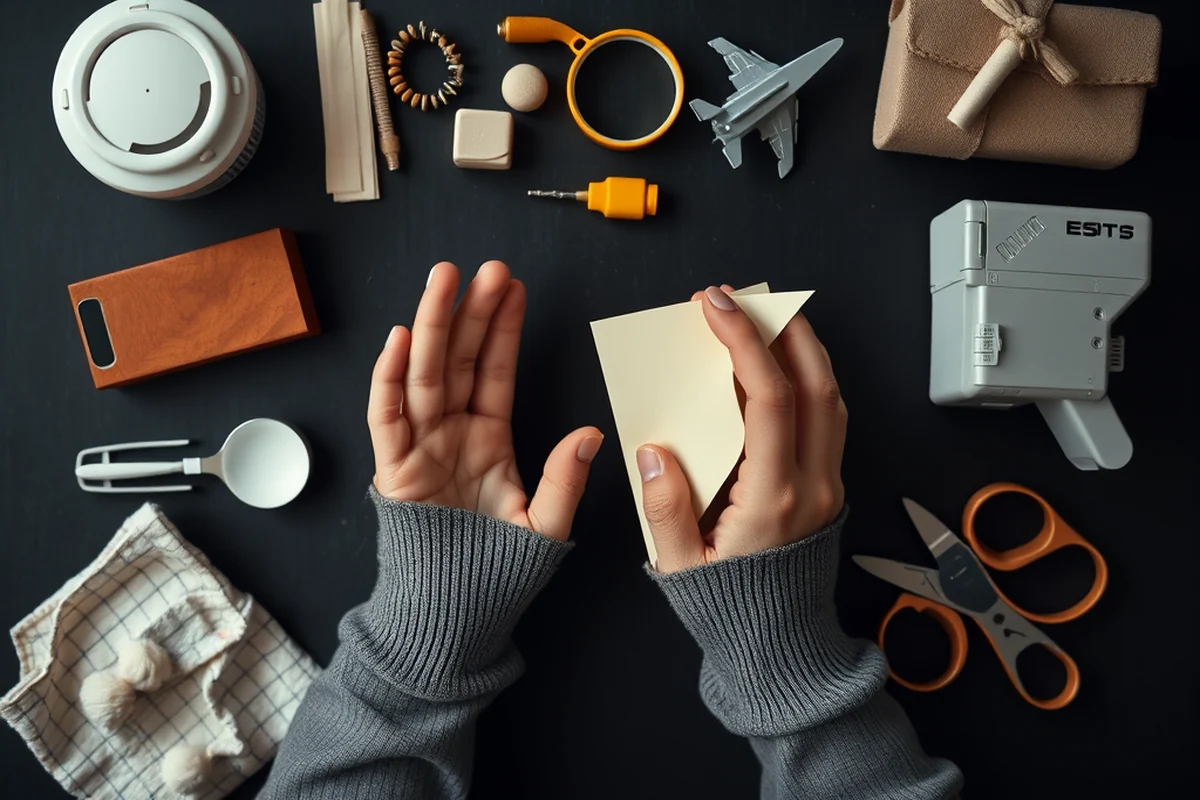
One of the biggest revelations I had while testing paper airplanes was the importance of weight distribution. A well-balanced plane flies straighter and farther. I started experimenting by adding a small paperclip or a bit of tape to the nose of the plane to see how it affected the flight.
When I added a paperclip to the nose, the plane became more stable and flew farther. It didn’t just fly in a straight line — it glided and covered more distance before landing. The extra weight helped keep the plane from flipping or spinning out of control.
I measured the distance of each flight again and found that planes with a small weight on the nose flew about 15% farther than those without. It’s a simple fix, but it makes a big difference.[3]
Related: Alternatives to air travel
How to Throw for Maximum Distance
Even the best paper airplane for distance won’t fly far if you don’t throw it correctly. I learned this the hard way — I spent hours trying different throwing techniques and realized that the angle and force of the throw were crucial.
The ideal way to throw the plane is to hold it by the middle of the body and release it with a gentle push — not a hard throw. I found that throwing it at a slight upward angle, about 20 degrees, gave the plane the best combination of lift and distance.
My son and I tested this by throwing the plane at different angles and recording the distances. The plane flew the farthest when thrown at that upward angle, and we both agreed that it felt more controlled and precise than other techniques.
Related: Travel bag without zipper
Testing and Refining Your Design
Once you’ve built your plane and tested it, the next step is to refine it. I encourage parents to let their kids experiment with different folds, wing shapes, and even the weight on the nose. It’s a great way to teach them about trial and error and problem-solving.
I found that adding a slight curve to the wings or adjusting the angle of the folds could make a big difference in how far the plane flew. My son loved testing different versions and recording the distances. It turned into a fun science experiment that he still talks about.
One of the most rewarding parts of this process is seeing a child’s face light up when they discover a new way to make the plane fly farther. It’s not just about the paper airplane — it’s about the joy of discovery and the shared experience.
Don’t be afraid to tweak and test — every small change can lead to a bigger flight.
Related: Travel bag for kids with seat
Making It a Family Activity
One of the best parts of making paper airplanes is that it can be a shared activity for parents and children. I’ve spent many afternoons with my son, folding planes, throwing them, and watching them soar across the room. It’s a simple, low-cost way to spend time together and learn something new.
When we first started, we just folded the planes and threw them — but as we learned more about aerodynamics and balance, the activity became more structured. We started measuring the distances, recording our results, and even competing to see who could make the plane fly the farthest.
It’s a great way to teach kids about science, physics, and even basic math. Plus, it’s a fun way to bond and create lasting memories.
🕊️ Gentle Approach
A slow, methodical way to build and test your paper airplane, ideal for younger children or those new to the activity.
🚀 Fast-Track Method
A quick and efficient way to build a paper airplane that can be tested and refined rapidly.
🧳 Travel/away-from-home
A compact and lightweight version of the best paper airplane for distance, perfect for on-the-go fun.
🤝 Multiples
A way to build multiple paper airplanes at once, great for family competitions or group activities.
🔄 Regression Reset
A way to go back to basics and rebuild your paper airplane from scratch, ideal for troubleshooting or learning from mistakes.
| The mistake | Why it happens | The fix |
|---|---|---|
| Folding the wings too sharply or too flat. | This can cause the plane to lose lift or become unstable in flight. | Fold the wings at a slight upward curve — about 15 degrees — for the best lift and distance. |
| Using the wrong type of paper. | Thicker or thinner paper can affect the flight’s stability and distance. | Stick to standard 80gsm copy paper for the best results. |
| Throwing the plane too hard or at the wrong angle. | This can cause the plane to flip or not go as far as it could. | Throw the plane gently at a slight upward angle — around 20 degrees — for maximum distance. |
| Ignoring the balance of the plane. | An unbalanced plane can spin or drop quickly during flight. | Ensure the wings are symmetrical and adjust the folds or add weight to the nose as needed. |
Best Paper Airplane For Distance
Common Questions
What’s the best paper to use for a long-distance paper airplane?
How can I make my paper airplane fly straighter?
What’s the ideal angle for throwing the plane?
Can I add weight to the nose of the plane?
References
- Modeling of Terminal-Area Airplane Fuel Consumption - ROSA P (rosap.ntl.bts.gov)
- The World Record Paper Airplane (jfd.jacksonms.gov)
- ADA Accessibility Standards - Access-Board.gov (access-board.gov)
Cite this guide
Choosing a Toddler Travel Carrier (2026). Best Paper Airplane For Distance. https://childroute.com/best-paper-airplane-for-distance/
Feel free to cite or share this guide.