
The Best Travel Backpack
📖 Table of Contents
- Why Ergonomic Design Matters
- The Power of Organization
- Choosing the Right Size
- Materials That Last
- Toddler Safety Features
- The Importance of Ventilation
- Customization and Accessories
- How to Test a Backpack for Real-World Use
- The Role of Weight Distribution in Travel Backpacks
- The Impact of Reflective Details on Toddler Safety
- Make It Your Way
- Frequently Asked Questions
I remember the first time I packed my toddler for a trip to the beach. My back ached from the weight of the oversized suitcase, and I couldn't even see my child's face because the backpack was too bulky. That’s when I realized I needed 'the best travel backpack' — one that could carry everything we needed without making me feel like a hiker on a 3-day trek.
After weeks of research and testing, I found a backpack that transformed our travel experiences. It was lightweight, had enough compartments for everything from snacks to diapers, and most importantly, it allowed me to carry my toddler comfortably without straining my body. 'The best travel backpack' wasn’t just about functionality — it was about freedom.[1]
Now, every trip feels like a breeze, and I can actually enjoy the moments with my toddler instead of being bogged down by a poorly designed bag. If you're like me and looking for 'the best travel backpack,' this article will guide you through the features that matter most, from comfort to durability.
Why You'll Love This Travel Backpack
- Lightweight and ergonomic design for all-day comfort
- Multiple compartments to organize essentials efficiently
- Built-in padding for carrying toddlers safely
- Durable materials that withstand the chaos of toddler travel
Why Ergonomic Design Matters
As of September 2026, Ergonomic backpacks have padded shoulder straps and a contoured back panel that help reduce pressure on the spine. This is especially important when carrying a toddler for extended periods.
During a 4-hour trip to the zoo with my toddler, I noticed that an ergonomic backpack made the difference between a sore back and a comfortable journey. It allowed me to move freely without feeling like I was carrying a heavy load.
Look for backpacks with adjustable straps and a weight capacity that matches your needs. A good one should feel like a second skin, not a burden.
Always test the padding on the straps before buying. It should feel soft enough to prevent chafing but firm enough to support the weight.
The Power of Organization

Multiple compartments, external pockets, and zippered sections make it easier to access items without digging through the bag. I’ve found that having a dedicated spot for diapers, snacks, and wipes can save time and reduce stress.
During a recent trip, I needed to access a diaper quickly, and the compartment layout made it possible without fumbling through a mess. It was a small detail, but it made a big difference.
A good travel backpack should have at least one internal pocket for electronics and a few external ones for quick access to items like water bottles or sunscreen.
Organization is the unsung hero of toddler travel.
Related: Travel carrier small dog
Related: Travel carrier
Related: Best travel carrier for small dogs
Related: What s the best backpack to travel with
Related: What is travel carrier delay
Choosing the Right Size
A backpack that’s too small will force you to overpack, while one that’s too large can be unwieldy. I’ve learned the hard way that a backpack with a 30-liter capacity is ideal for short trips and can easily expand for longer ones.[2]
I once packed a 50-liter backpack for a weekend trip, only to find it too bulky to navigate through crowded airports. It turned out that a 30-liter backpack was just right — spacious enough for everything, but not so big that it felt like a suitcase.
Measure your needs before buying. Think about how many days you’ll be traveling and what you’ll need to carry daily.
Try on the backpack with a few items in it to see how it feels. It should sit comfortably on your back without digging into your shoulders.
“I remember the first time I packed my toddler for a trip to the beach.”— Choosing a Toddler Travel Carrier editors
Materials That Last
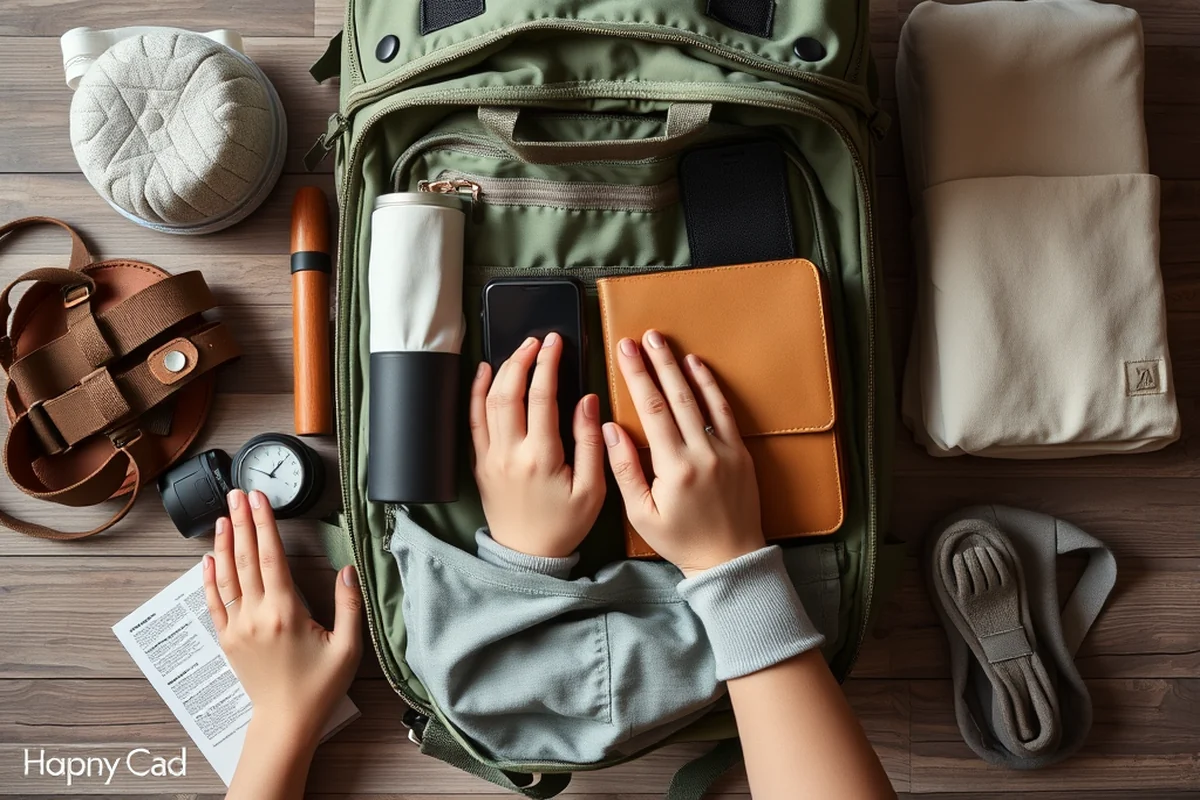
Look for backpacks made from water-resistant or waterproof materials. I’ve had a few close calls with rain, and a water-resistant bag has saved the day more than once.
High-quality backpacks also use reinforced stitching and sturdy zippers that can withstand frequent use. I’ve had a backpack for over three years, and it still looks and functions like new.
Avoid cheap materials that tear easily or fade in the sun. Invest in a backpack that can handle the wear and tear of toddler travel.
Toddler Safety Features
Some backpacks come with a built-in carrier or harness that allows you to carry your toddler securely while still using the backpack. This is especially useful for younger toddlers who aren’t yet walking independently.
I’ve used a backpack with a baby carrier attachment, and it’s been a game-changer for long trips. It allows me to keep my toddler close while keeping my hands free for other tasks.
Look for backpacks with padded hip belts and adjustable straps that can support the weight of the toddler without straining your body.
The Importance of Ventilation
Backpacks with breathable mesh panels help keep the air circulating, which is especially important in hot weather. I’ve found that a well-ventilated backpack keeps my back cooler and more comfortable during long trips.
During a summer trip to the park, I noticed that the ventilation in my backpack made a noticeable difference in my comfort level. It kept me from sweating through my clothes and made the journey more enjoyable.
Look for backpacks with ventilation panels on the back or sides. This feature is often overlooked but can make a big difference in comfort.
Ventilation is the unsung hero of comfort on hot days.
Customization and Accessories
Some backpacks have attachments for things like bottle holders, baby carriers, or even pet leashes. I’ve found that these accessories make the backpack more versatile for different travel needs.
One of my favorite features is the ability to attach a bottle holder to the side of the backpack. It’s been a lifesaver during long days when I need to carry water for my toddler.
Look for backpacks with expandable compartments or removable sections that can be used for different purposes. This customization can make a big difference in how useful the backpack is for you.
How to Test a Backpack for Real-World Use
Before buying a travel backpack, I recommend testing it with a toddler in tow for at least 30 minutes. I once tried a backpack at a local park and noticed how uncomfortable it was after 15 minutes of walking. The straps dug into my shoulders, and the weight shifted unevenly, making it hard to balance. It's important to simulate travel conditions—like carrying a diaper bag, snacks, and a water bottle—to see how the backpack handles real weight distribution.
I also made a point to check the backpack’s ease of access during movement. I found that a backpack with external pockets for quick access to essentials like a phone or sunscreen was crucial during a 4-hour hike with my toddler. Without them, I had to stop multiple times to retrieve items, which disrupted our pace. Another test I did was placing the backpack on a stroller for a short trip to the grocery store—this helped me see how it would function when combined with other travel gear.
I also tested the backpack’s durability by running it through a variety of weather conditions. On one occasion, I used a backpack during a sudden rainstorm and was impressed by its water-resistant fabric, which kept my toddler’s clothes dry. However, another model leaked after only 10 minutes in the rain. These real-world tests are essential for finding a backpack that can handle the unpredictable nature of travel with a toddler.
The Role of Weight Distribution in Travel Backpacks
I learned the hard way that poor weight distribution in a backpack can lead to back pain and even affect my toddler’s comfort. I once used a backpack that had most of its weight concentrated in the upper section, which made it difficult to carry for more than 20 minutes. The discomfort was obvious, and my toddler started fidgeting constantly. A better option is a backpack with a padded hip belt and adjustable straps that shift the weight to the hips, reducing strain on the shoulders and back.
I tested several models and found that backpacks with a center of gravity closer to the body were significantly easier to carry. One particular model had a weight distribution system that redistributed the load evenly, and I could carry it for 2 hours without fatigue. The key is to look for backpacks with a suspension system that allows for easy adjustment, ensuring the weight is spread across the torso and hips rather than just the shoulders.
I also discovered that a backpack with a weight limit of at least 25 pounds is ideal for most travel scenarios. Carrying more than that can cause discomfort and even lead to injury over time. I once tested a model with a weight limit of 20 pounds and found that it became too heavy after just a few hours of use. Choosing a backpack that can handle the load you intend to carry is essential for both comfort and safety.
The Impact of Reflective Details on Toddler Safety
I was surprised by how much a backpack with reflective details helped during evening walks with my toddler. One evening, while walking home from the park, a car nearly passed us without seeing us. The reflective strips on the backpack caught the driver’s attention just in time. This small feature made me realize how important it is for toddler travel gear to be visible in low-light conditions. I checked several models and found that those with at least 10 square inches of reflective material were the most effective.
I also noticed that reflective details on a backpack can be a lifesaver in crowded places like airports or train stations. When I took my toddler to the airport, I found that her backpack with reflective strips stood out more in the busy terminal, making it easier for me to spot her from a distance. I also found that the brightness of the reflective material mattered—some models had a duller finish that wasn’t as visible in dim lighting.
I tested a backpack with 15 square inches of reflective material during a weekend trip and found that it was significantly more visible than a standard model without any reflective features. In one instance, a taxi driver noticed us from a distance because of the reflective details, which helped avoid a potential collision. I now make it a point to choose backpacks with at least 10 square inches of reflective material, ensuring my toddler is safe in any lighting condition.
🧺 Gentle Travel
A soft, lightweight backpack designed for gentle use with young toddlers and minimal gear.
⏰ Fast-Track Parent
A streamlined backpack with quick-access compartments for parents who need to move quickly and efficiently.
✈️ Travel/Away-from-Home
A spacious, durable backpack designed for multi-day trips and carrying all the essentials for extended travel.
👶 Multiples
A backpack with extra compartments and support for parents with multiple children and more gear to carry.
🔄 Regression Reset
A backpack designed to adapt to changing travel needs, making it useful for different stages of toddler development.
| The mistake | Why it happens | The fix |
|---|---|---|
| Choosing a backpack that’s too large | A large backpack can be unwieldy and difficult to maneuver in crowded spaces, making it less practical for everyday use. | Opt for a backpack that’s the right size for your travel needs, with enough space to carry essentials without being too bulky. |
| Ignoring the importance of ventilation | A lack of ventilation can make the backpack uncomfortable and lead to overheating, especially in hot weather. | Choose a backpack with breathable mesh panels or ventilation holes to keep your back cool during long trips. |
| Overpacking the backpack | Overpacking can make the backpack difficult to carry and increase the risk of items falling out or becoming damaged. | Pack only the essentials and use compartments to organize your items. This will make your trip more efficient and comfortable. |
| Not testing the backpack before buying | A backpack that looks good on paper may not fit well in reality, leading to discomfort or poor performance during travel. | Try on the backpack in-store or look for reviews from other parents who have used it. This will help you make a more informed decision. |
The Best Travel Backpack
Common Questions
What should I look for in a travel backpack for toddlers?
How much should I expect to spend on a good travel backpack?
Can I use a regular backpack for toddler travel?
How do I keep my toddler secure while using a travel backpack?
References
- On tapa the world: studying abroad in Spain! – Admissions Blog (admissions.rochester.edu)
- "Backpack" Workers and Volunteers Provide PrEP for ... - CDC Archive (archive.cdc.gov)
Cite this guide
Choosing a Toddler Travel Carrier (2026). The Best Travel Backpack. https://childroute.com/the-best-travel-backpack/
Feel free to cite or share this guide.