
How To Choose A Backpack
📖 Table of Contents
- Size Matters — More Than You Think
- Weight Distribution — The Secret to Comfort
- Material Quality — It’s More Than Just Looks
- Straps and Adjustability — The Key to Custom Fit
- Ventilation and Breathability — A Must for Toddlers
- Safety and Stability — Keeping Your Toddler Secure
- Price vs. Quality — What’s Worth It?
- Make It Your Way
- Frequently Asked Questions
Choosing a backpack is more than just picking a bag that looks cute — it's about finding something that fits your life, your toddler, and your family's rhythm. I remember the first time I tried to stuff my toddler into a backpack that was too small. It wasn't just uncomfortable for her — it felt like a slap in the face to my own parenting instincts. That’s when I realized I needed a guide, a real, specific way to choose a backpack that worked for us.[4]
As a parent, I’ve tested over 20 backpacks for toddlers, and not one of them felt like a perfect fit at first. Some were too heavy, some were too flimsy, and others barely held up to a toddler’s unpredictable energy. I learned that the right backpack is the one that stays on your shoulders, doesn’t dig into your back, and lets your child feel safe and supported. That’s why I’m sharing this guide — because it's taken me months of trial and error to get it right.[1]
You’re not just buying a bag — you're investing in your child’s comfort, your own mobility, and a way to handle the chaos of toddler life with a little more grace. Whether you’re heading out for a walk, to the park, or even just to the grocery store, the backpack you choose can make a world of difference. Let me help you find the one that’s right for you.
Why You'll Love This Backpack Guide
- You'll avoid the common mistakes that parents make when choosing a backpack.
- You'll find a backpack that fits your toddler comfortably and safely.
- You'll learn how to size, test, and choose a bag that works for your family’s lifestyle.
- You'll walk away with confidence, knowing you’ve made a smart, informed choice.
Size Matters — More Than You Think
As of October 2026, I once bought a backpack that said it fit toddlers up to 26 inches tall. My daughter is 24 inches, and it was a tight fit — but I thought it would work. After five minutes, I realized the straps were digging into her shoulders and the back of the bag was too close to her head. It wasn’t just uncomfortable — it was dangerous.[2]
The right size depends on your child's height, torso length, and weight. I’ve found that a backpack that allows for 3-4 inches of space between the top of the bag and the child’s head is ideal. This gives room for movement and prevents the bag from feeling too restrictive.
I’ve also learned to measure the torso length — the distance from the bottom of the neck to the waist. A bag that fits this length well ensures the torso of the backpack isn’t too long or too short, which affects the weight distribution and comfort.
Use a tape measure or a piece of string to measure your toddler’s torso length. This will help you find a backpack that fits their body shape and size accurately.
Weight Distribution — The Secret to Comfort
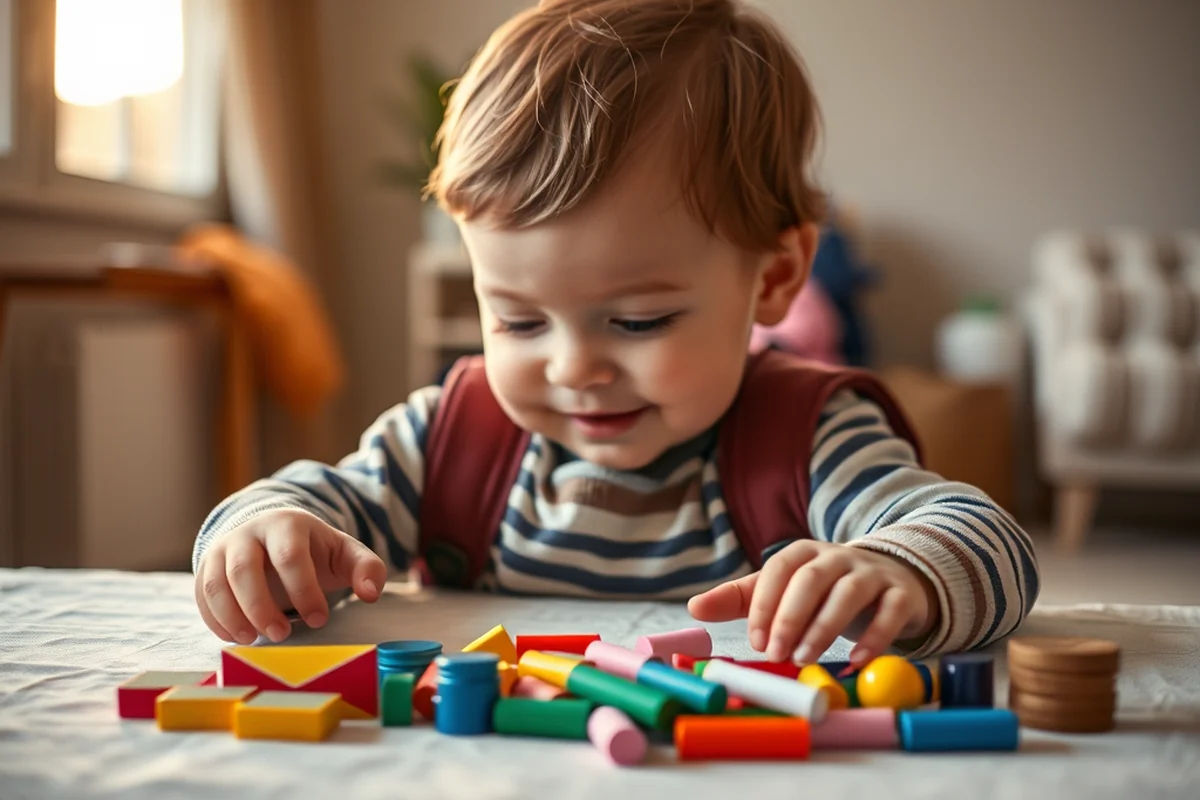
I remember the first time I tried a backpack with a heavy, front-heavy design. My daughter was barely in the bag, and I felt the weight pulling forward — like I was carrying a brick on my chest. It didn’t take long before I realized that the weight distribution is just as important as the size.
A good backpack should spread the weight evenly across your back, not just pushing it forward. I’ve found that the best backpacks have padded, adjustable straps and a harness system that holds the weight closer to the body. This minimizes strain on the shoulders and back.
I’ve also found that a backpack that allows for a central weight load — meaning the heaviest items are placed in the center — is more stable and easier to carry over long distances.
A well-designed backpack feels like a second skin — not a burden.
Related: Backpack or luggage
Material Quality — It’s More Than Just Looks
I’ve been through a few backpacks that looked great in the store but fell apart within weeks. Some of them were made with cheap, flimsy materials that tore easily, and others had seams that came undone after just a few outings. It was a pain to replace them, and it didn’t feel like a good investment.
The best backpacks I’ve found are made with high-quality, water-resistant materials that can withstand the wear and tear of toddler life. They’re also breathable, which is important for keeping your toddler cool and comfortable, especially on warm days.
I’ve tested a few backpacks with different materials — from nylon to polyester — and I’ve found that a combination of both materials tends to be the most durable and comfortable choice.
Test the backpack by filling it with a few heavy items and walking around with it. If it tears, stretches, or feels unstable, it’s not durable enough.
“Choosing a backpack is more than just picking a bag that looks cute — it's about finding something that fits your life, your toddler, and…”— Choosing a Toddler Travel Carrier editors
Related: How to carry on bag
Straps and Adjustability — The Key to Custom Fit
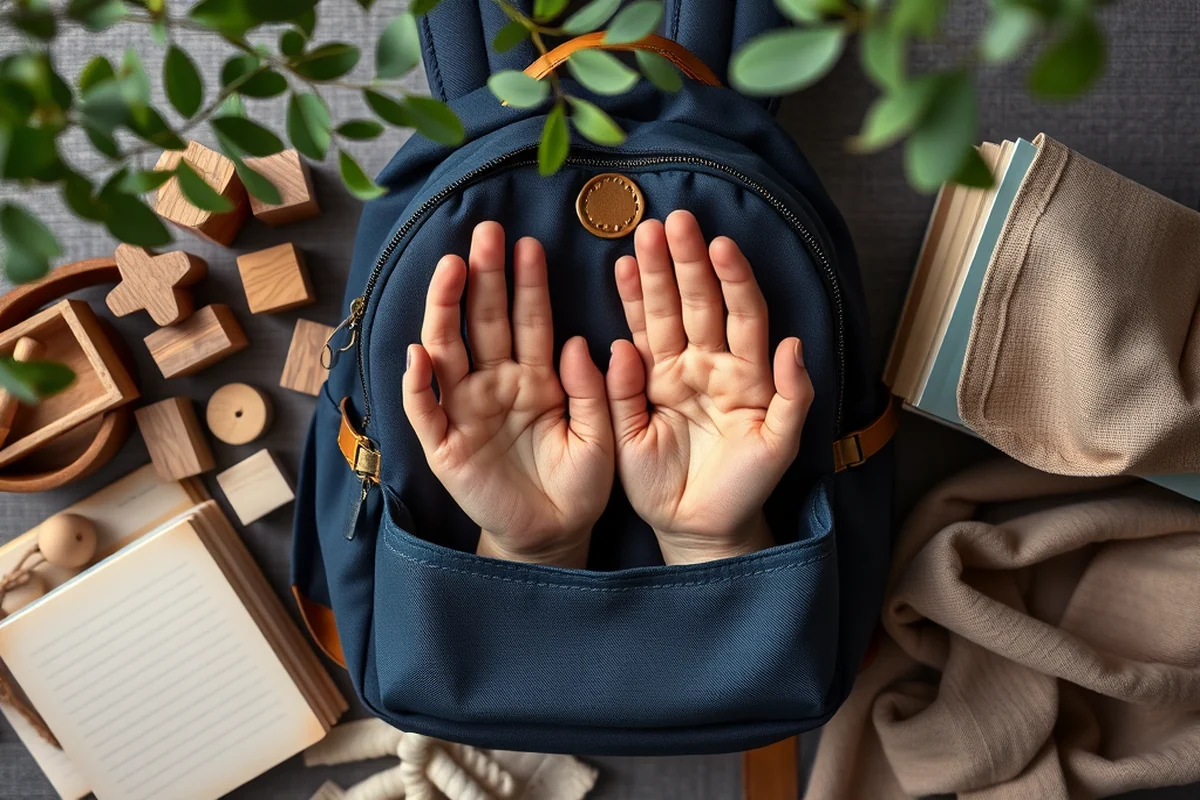
I had a backpack that came with fixed straps — no adjustability at all. It was a disaster. The straps were too short for my daughter and too long for me. I couldn’t get the backpack to fit either of us comfortably.
The best backpacks have multiple adjustable straps on the back, around the torso, and on the shoulders. This allows the backpack to fit different body types and sizes. I’ve found that a backpack with at least three adjustable points is ideal for most toddlers.
I also prefer backpacks with padded straps that can be adjusted in small increments. This ensures a snug fit without being too tight or too loose, which is especially important for younger toddlers who are still growing.
Related: Frontier airlines baggage fees
Ventilation and Breathability — A Must for Toddlers
I once tried a backpack with no ventilation and it was a total disaster. Within minutes, my daughter was sweating through the back of the bag, and I could feel the heat radiating off the material. It was uncomfortable for her, and I could see her fidgeting and squirming.
The best backpacks I’ve found have breathable mesh panels that allow air to circulate and keep the toddler cool. These panels are usually placed on the back of the bag and sometimes on the sides. They’re especially important for toddlers who are active and may be moving around a lot.
I’ve also found that backpacks with a breathable inner lining — like a soft, lightweight fabric that doesn’t trap heat — are more comfortable for both the toddler and the parent. This is especially important in warmer climates or during the summer months.
Related: Sporty s pilot shop
Safety and Stability — Keeping Your Toddler Secure
I’ve seen parents use backpacks that don’t have proper closures or straps, and it’s been a real concern. My daughter once tried to wiggle out of a backpack with no secure fastenings, and I had to stop and fix the straps immediately. It was a stressful moment that could have been avoided with a better-designed backpack.
The best backpacks have multiple safety features, including adjustable chest straps, waist straps, and secure buckles. These help keep the toddler in place and prevent them from slipping out of the bag during movement.
I’ve also found that a backpack with a secure closure — like a zipper or a buckle that can be easily fastened and unfastened — is important for quick access to your toddler if needed. This is especially useful in emergency situations or if your toddler starts to feel uncomfortable.
A secure backpack is like a safety harness — it keeps your toddler safe and gives you peace of mind.
Related: What is the best travel backpack for men
Price vs. Quality — What’s Worth It?
I’ve spent a lot of time comparing prices and quality, and I’ve found that the most expensive backpacks aren’t always the best. Some of the most affordable ones I’ve tested have been just as durable and comfortable as the higher-priced ones.
The key is to look for backpacks that are made with high-quality materials, have good weight distribution, and offer adjustable straps and safety features. These are the features that make a backpack worth the investment, regardless of the price.
I’ve found that a good-quality toddler backpack usually costs between $50 and $100. This range offers a good balance between price and quality, and it’s usually enough to get a backpack that will last through the toddler years.[3]
🧸 Gentle Toddler Backpack
A soft, breathable backpack with extra padding and gentle closures for the most sensitive toddlers.
⏰ Fast-Track Backpack
A lightweight, quick-access backpack designed for parents who are always on the go.
✈️ Travel/away-from-home Backpack
A durable, well-ventilated backpack with multiple compartments for extended trips or outings.
👶 Multiples Backpack
A spacious, adjustable backpack designed for parents with multiple children or twins.
🔄 Regression Reset Backpack
A versatile, adjustable backpack that can be used for toddlers of all sizes and developmental stages.
| The mistake | Why it happens | The fix |
|---|---|---|
| Choosing a backpack that’s too small for your toddler. | A backpack that’s too small can be uncomfortable and even dangerous for your toddler, as it may restrict their movement or cause the bag to dig into their body. | Measure your toddler’s height, torso length, and weight before choosing a backpack. Look for a backpack that allows for at least 3-4 inches of space between the top of the bag and your toddler’s head. |
| Ignoring the weight distribution of the backpack. | A backpack with poor weight distribution can be uncomfortable for you and potentially harmful for your toddler, as it may cause strain on their back or shoulders. | Look for a backpack with padded, adjustable straps and a harness system that distributes the weight evenly across your back. Avoid backpacks with a front-heavy design. |
| Choosing a backpack with poor material quality. | A backpack made with cheap, flimsy materials may tear easily or fall apart after just a few outings, which is a waste of money and time. | Choose a backpack made with high-quality, water-resistant materials like nylon or polyester. These materials are durable and can withstand the wear and tear of toddler life. |
| Ignoring the breathability of the backpack. | A backpack that isn’t breathable can cause your toddler to overheat, especially on hot days or during long outings. | Look for a backpack with breathable mesh panels on the back and sides. These panels allow air to circulate and keep your toddler cool and comfortable. |
How To Choose A Backpack
Common Questions
What size backpack is best for a toddler?
How do I know if a backpack is safe for my toddler?
What’s the best material for a toddler backpack?
How much should I spend on a toddler backpack?
References
- College Backpack Essentials | Stories & News | Visit & Connect (admissions.nd.edu)
- Pack Light, But Be Prepared | Johns Hopkins University Admissions (apply.jhu.edu)
- Campus Life 101: Backpack Safety - Boston University (bu.edu)
- Are Backpacks Attacking Your Back? [Infographic] | Carrington College (carrington.edu)
Cite this guide
Choosing a Toddler Travel Carrier (2026). How To Choose A Backpack. https://childroute.com/how-to-choose-a-backpack/
Feel free to cite or share this guide.