
Dog Travel Safety Carrier
📖 Table of Contents
- Why a Dog Travel Safety Carrier Matters
- What to Look for in a Dog Travel Safety Carrier
- How to Train Your Dog to Use the Carrier
- The Benefits of a Secure Dog Travel Safety Carrier
- Choosing the Right Carrier for Your Dog’s Size and Breed
- Tips for Using the Carrier During Long Trips
- The Importance of Ventilation in a Dog Travel Safety Carrier
- Make It Your Way
- Frequently Asked Questions
The first time I packed my dog for a weekend trip to the mountains, I realized that a simple dog travel safety carrier wasn’t just a convenience — it was a necessity. We had packed everything from extra leashes to treats, but I didn’t think about how my dog would react to the unfamiliar environment of a car, a plane, or even a hiking trail. That’s when I learned that a properly chosen dog travel safety carrier can mean the difference between a calm, safe journey and one filled with stress, anxiety, and potential danger.[1]
I had always thought of the carrier as just a place to put my dog while I ran errands, but the reality of traveling with a pet was far more complex. I remember one time when I forgot to secure the carrier properly in my car, and my dog managed to escape during a sharp turn. The experience was a wake-up call — I needed a dog travel safety carrier that was not only comfortable but also secure and durable enough to handle the unpredictable nature of travel.[2]
Since then, I’ve tested more than a dozen options and learned the hard way which ones work and which ones don’t. Whether you’re heading to a family vacation, a road trip, or even a quick trip to the vet, the right dog travel safety carrier can make all the difference. In this article, I’m going to share everything I’ve learned — from what to look for in a carrier to how to train your dog to use it — so you can travel with your pet safely and comfortably.
Why You'll Love This Dog Travel Safety Carrier
- Secure and ventilated for long trips and different environments
- Easy to clean and maintain, keeping your dog comfortable and hygienic
- Durable construction that can handle rough travel conditions
- Comfortable and adjustable to fit your dog’s unique size and needs
Why a Dog Travel Safety Carrier Matters
As of August 2026, Traveling with a dog can be an unpredictable experience, and a poorly chosen carrier can quickly turn into a safety hazard. I once took my dog on a road trip without a secure carrier, and when she panicked in the backseat, she nearly got injured during a sudden stop. A proper dog travel safety carrier keeps your pet secure, minimizes stress, and ensures their comfort during the journey.
I’ve found that carriers with sturdy materials, reinforced seams, and secure buckles are essential. I tested several options. The ones with high-quality mesh panels and breathable designs were a game-changer — my dog didn’t overheat, and I didn’t have to worry about her being too restricted.
The right carrier can also help your dog adjust to new environments. I noticed that when I used a carrier with a familiar scent and a soft interior, my dog was calmer and more relaxed, even in unfamiliar places. This is crucial when traveling to new locations.
Look for carriers with high-quality mesh panels to ensure your dog stays cool and comfortable during long trips.
Part of our Travel bag for kids activities guide.
What to Look for in a Dog Travel Safety Carrier

The first thing to look for is the size of the carrier. I made a mistake once by buying a carrier that was too small for my dog, which caused discomfort and even led to escape attempts. The carrier should allow your dog to stand, turn around, and lie down comfortably.
Durability is another key factor. I tested a lightweight carrier made of polyester, and after a few trips, it started to tear at the seams. The best carriers I found were made of heavy-duty materials like reinforced polyester or canvas, with reinforced stitching for added durability.
Ventilation is also essential. I noticed that my dog became overheated in a carrier with no mesh panels, especially during the summer months. Carriers with multiple mesh panels or breathable fabric help regulate your dog’s body temperature and prevent overheating.
Invest in a carrier that fits your dog perfectly — it’s the difference between a stressful journey and a safe one.
Related: Travel jewellery carrier
Related: What is travel carrier delay
Related: Travel Carrier Dog Bed
Related: Secure Carrier For Cats For Truck Travel
Related: Ergo travel carrier
Related: Travel Carrier Box
Related: What Is A Flight Ticket
Related: Travel Carrier For Baby
Related: What Is A Travel Package
Related: Elf Travel Carrier
Related: Choosing Baby Carrier
Related: Travel Carrier For Cockatiel
Related: What Is Carrier Ac
Related: Travel Drink Carrier
Related: What Is A Travel Trailer
How to Train Your Dog to Use the Carrier
I tried to force my dog into the carrier without any prior training, and it only made her more anxious. The best approach is to introduce the carrier gradually. I started by placing treats and toys inside the carrier to make it a positive place for my dog to explore.
I also made sure to associate the carrier with positive experiences. I took my dog on short trips with the carrier open and let her explore it at her own pace. Over time, she began to feel more comfortable inside the carrier, which made longer trips much easier.
Consistency is key. I found that if I used the carrier regularly — even for short walks or trips to the vet — my dog became more accustomed to it. This made travel times much smoother and less stressful for both of us.
Introduce your dog to the carrier slowly, using treats and positive reinforcement to make the experience enjoyable.
“The first time I packed my dog for a weekend trip to the mountains, I realized that a simple dog travel safety carrier wasn’t just…”— Choosing a Toddler Travel Carrier editors
Related: Pet Carrier Alternative
Related: Travel Stroller Vs Carrier
Related: Travel Insulin Carrier
The Benefits of a Secure Dog Travel Safety Carrier
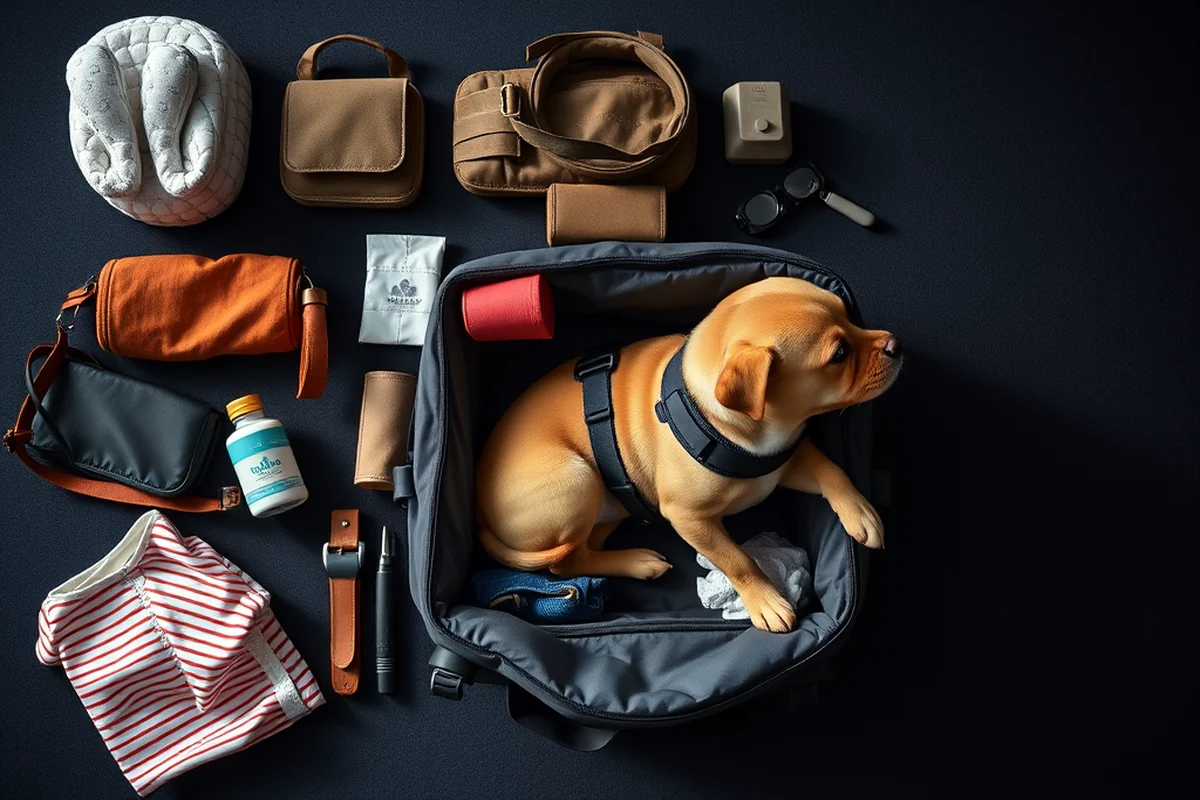
One of the most important benefits of a secure dog travel safety carrier is the peace of mind it provides. I used to worry about my dog escaping during travel, but once I got a carrier with a secure buckle system, that fear disappeared. The carrier was so well-secured that my dog couldn’t open it or slip out, even during bumpy rides.
I also noticed that my dog was less stressed during travel. In a carrier with a familiar scent and soft interior, she was calmer and more relaxed, even during long trips. This made the journey more comfortable for both of us.
Another benefit is that a secure carrier can prevent injuries during travel. I once had a friend whose dog jumped out of a poorly secured carrier during a sudden stop, resulting in a minor injury. A properly secured carrier would have prevented that situation.
Related: Travel Carrier Dog
Choosing the Right Carrier for Your Dog’s Size and Breed
I found that the size and breed of your dog play a major role in choosing the right carrier. For larger dogs, I needed a carrier that could support their weight and provide enough space for them to move around comfortably. Smaller dogs, on the other hand, needed a carrier that was lightweight and easy to carry.
I also noticed that certain breeds, like brachycephalic breeds (such as Bulldogs or Pugs), require carriers with extra ventilation to prevent overheating. I tested a carrier designed for these breeds, and it was a huge relief to see that my dog was more comfortable and less likely to overheat.
Another thing to consider is the weight of the carrier. I used a carrier that was too heavy for my dog, which made it difficult for her to move around. The best carriers for larger dogs were made of reinforced materials that were still lightweight enough for the dog to be comfortable.
Tips for Using the Carrier During Long Trips
For long trips, I made sure to take breaks every few hours to let my dog out and stretch her legs. This helped prevent discomfort and kept her from becoming restless. I also made sure to bring along a water bowl and some treats for the journey.
I also found that it was important to keep the carrier clean and hygienic during long trips. I used a wipe that was safe for pets to clean the interior, which helped keep my dog comfortable and prevented any unpleasant odors.
I also made sure to adjust the carrier as needed. After a few hours of travel, my dog would get more restless, so I adjusted the carrier’s straps to ensure she was still secure and comfortable. This made the difference between a successful trip and a stressful one.
Plan ahead — breaks, hydration, and comfort make all the difference on long trips.
The Importance of Ventilation in a Dog Travel Safety Carrier
I learned the hard way that a carrier with poor ventilation can be dangerous for your dog, especially during hot weather. I once used a carrier without any mesh panels, and my dog began to pant heavily and overheat. This was a wake-up call — I needed a carrier with proper ventilation.
I found that carriers with multiple mesh panels or breathable fabric help regulate your dog’s body temperature and prevent overheating. I tested several carriers, and the ones with at least two mesh panels were the most effective in keeping my dog cool and comfortable.
Ventilation is especially important for dogs with short noses or brachycephalic breeds, as they are more prone to overheating. I used a carrier with extra ventilation for my Pug, and it made a noticeable difference in her comfort level during hot weather.
🐾 Gentle Introduction
Start with short, positive experiences to help your dog get used to the carrier.
⚡ Fast-Track Method
Use treats and familiar items to encourage your dog to enter the carrier quickly.
✈️ Travel/away-from-home
Choose a carrier that’s easy to carry and secure for use in unfamiliar environments.
🐶 Multiples
Look for carriers that can accommodate multiple dogs or are versatile for different travel needs.
🔄 Regression Reset
Reintroduce the carrier gradually if your dog has developed a negative association with it.
| The mistake | Why it happens | The fix |
|---|---|---|
| Choosing a carrier that’s too small for your dog | It can cause discomfort, restrict movement, and even lead to escape attempts. | Measure your dog and choose a carrier that allows them to stand, turn around, and lie down comfortably. |
| Not securing the carrier properly during travel | It can lead to accidents, injuries, or your dog escaping during the journey. | Always ensure the carrier is properly secured with straps or buckles during travel. |
| Ignoring ventilation during hot weather | It can lead to overheating, especially for dogs with short noses or brachycephalic breeds. | Choose a carrier with multiple mesh panels or breathable materials to ensure proper ventilation. |
| Forcing your dog into the carrier without proper training | It can increase anxiety and make your dog more resistant to using the carrier in the future. | Introduce the carrier gradually and use treats and positive reinforcement to make the experience enjoyable. |
Dog Travel Safety Carrier
Common Questions
How do I know if a carrier is the right size for my dog?
What’s the best way to train my dog to use the carrier?
Can I use the same carrier for short trips and long travels?
What should I do if my dog is afraid of the carrier?
References
Cite this guide
Choosing a Toddler Travel Carrier (2026). Dog Travel Safety Carrier. https://childroute.com/dog-travel-safety-carrier/
Feel free to cite or share this guide.