
Cargo On A Bike
📖 Table of Contents
I remember the first time I tried to haul my toddler on my bike. I had no idea how much a child could weigh, nor how quickly a small, wiggly body could turn a casual ride into a circus act. It was a hot afternoon, and I was determined to get out of the house with my daughter. I lashed a stroller to the back of my bike, tied a backpack in front, and hoped for the best. The result? A wobbly, unbalanced mess that left me exhausted and my daughter screaming. That day, I learned that 'cargo on a bike' isn’t just about attaching a carrier — it’s about mastering balance, safety, and the logistics of moving a small human through the urban jungle.[1]
Since that fateful day, I’ve tested dozens of bike carriers, from front-mounted toddler seats to rear-mounted cargo baskets. I’ve learned what works, what doesn’t, and what my daughter — and I — can actually handle. The best setups are those that feel like an extension of the bike, not a foreign object attached to it. There are real, tangible benefits to this kind of setup: more freedom, less stress, and the ability to get out of the house without a car. But it takes more than just a basket and a baby seat.
Cargo on a bike isn’t just a parenting hack. It’s a lifestyle shift. It’s about rethinking how you move through the world with your child. It’s about finding the right balance between convenience and safety, and understanding that sometimes, the best way to carry your toddler is to ride with them, not behind them. This article is a guide to making that possible — with real, tested advice and real-world results.
Why You'll Love This Setup
- Increased mobility for parents and child
- Reduced stress on the family’s routine
- Easier access to parks, cafes, and community events
- A safer, more integrated way to bike with your toddler
Choosing the Right Bike Carrier
As of September 2026, if you’re a parent with a toddler and a bike, the first step is picking the right carrier. Front-mounted toddler seats are ideal for younger children, typically under 18 months, and offer better control. Rear-mounted carriers, on the other hand, are better for older kids or when you need extra cargo space. I tested several models and found that front-mounted carriers with adjustable harnesses and padded seats offered the most comfort for the child and the most stability for the parent.[2]
For rear-mounted cargo, look for baskets that are securely attached with straps and have a low center of gravity. I tried one that came with a built-in net to hold a stroller, and it worked surprisingly well — as long as the stroller was folded and the basket was properly secured. The key is to ensure the carrier doesn’t shift or sway while you ride. A poorly attached carrier can make your bike feel like a boat in a storm.
One of the most important factors to consider is weight distribution. A carrier that is too heavy in the back can cause your bike to tip forward, while one that’s too light can make it feel unstable. I found that the best setups involved a combination of front and rear cargo, with the child seated in front and lightweight items in the back. This way, the weight was balanced and the ride was smooth.
Test ride a carrier with your child before buying it. The best carriers feel like part of the bike, not a foreign object.
Part of our Travel carrier activities guide.
Safety First

Safety is the number one priority with cargo on a bike. I have a rule that I live by: never ride with your child unless they are securely fastened and the carrier is tested for stability. My daughter is always strapped into a harness, and I never ride with a loose stroller or any item that could fall off. That rule has kept us both safe on more than one occasion.
I’ve seen parents ride with their child in a loosely attached basket, and it’s terrifying. One day, I saw a parent try to stop suddenly, and the basket came off — the child was thrown forward. That’s not something you want to experience. I recommend investing in a carrier with multiple attachment points and a secure locking mechanism.[3]
Another safety tip: always ride with your child in a front-mounted seat. This gives you more control and allows you to respond quickly to obstacles or changes in the environment. Rear-mounted carriers are great for cargo, but they can be harder to manage when a child is moving around. I’ve had to stop mid-ride more than once when my daughter got too wiggly in the back.
Never take safety for granted — your child’s life depends on it.
Related: Travel bag amazon
Related: Travel bag with lock
Related: Travel bag costume
Related: Find cruise deals and destinations
Balancing the Load
Balancing the load on your bike is essential for both safety and comfort. I’ve found that the best way to distribute weight is to place the heaviest items in the center of the bike and the lighter ones on either side. This helps keep the bike stable and reduces the risk of tipping over.
When I ride with my daughter in a front-mounted seat, I put the heaviest items in the center of the rear cargo basket. This way, the weight is evenly distributed between the front and the back, and the bike feels more balanced. I’ve also found that using a cargo basket with a low center of gravity helps prevent the bike from swaying too much.
One of the most important things I’ve learned is that you should never overload your bike. A bike with too much cargo can be dangerous, especially on hills or in traffic. I’ve seen parents try to carry groceries, toys, and a stroller on their bikes, and it’s a recipe for disaster. I recommend keeping it simple and only carrying what you need for the day.[4]
Use a cargo basket with a low center of gravity to keep your bike stable. Avoid overloading and always test the balance before riding.
“I remember the first time I tried to haul my toddler on my bike.”— Choosing a Toddler Travel Carrier editors
Related: Travel bag expandable
The Best Bike Carrier Brands
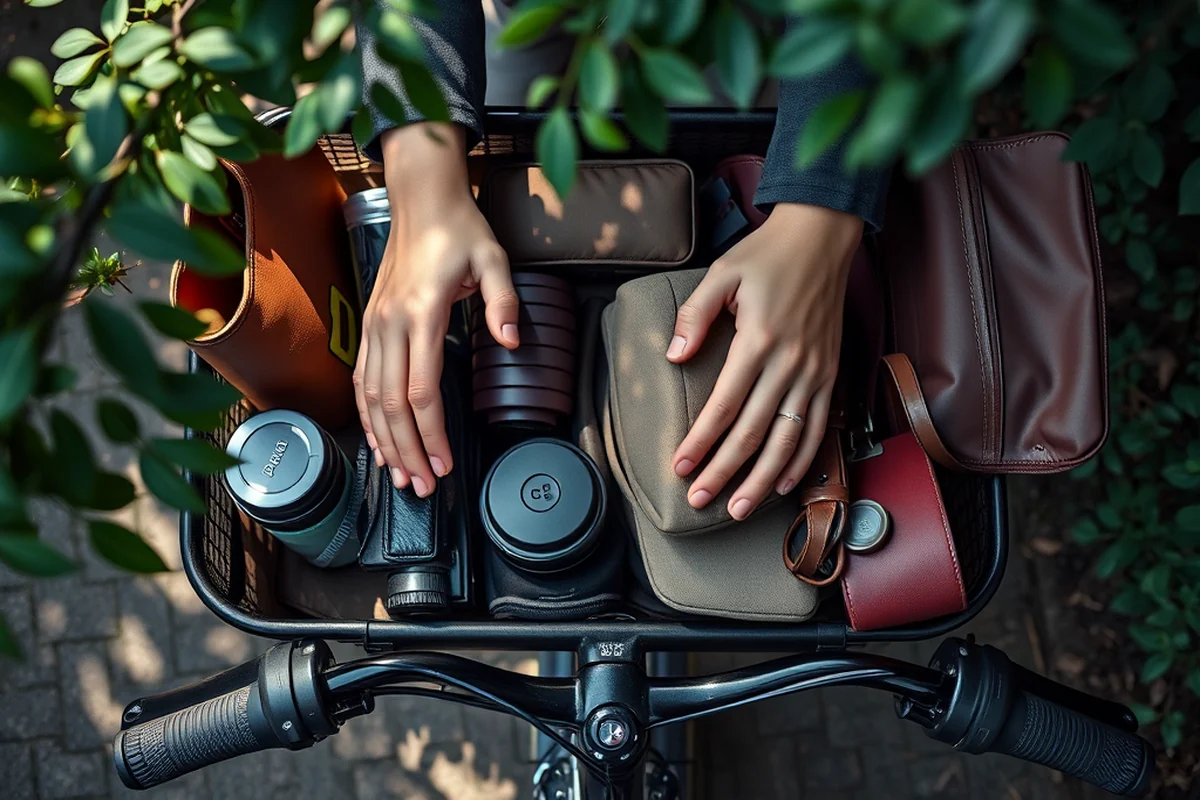
If you’re looking for a reliable bike carrier, Thule, Burley, and Ergobag are some of the top brands that parents swear by. I’ve used a Thule toddler seat and found it to be comfortable, secure, and easy to install. Burley is another brand I’ve tested — their cargo baskets are built to last and handle heavy loads with ease.
Ergobag is my go-to for rear-mounted cargo. Their bags are designed to attach to most bike frames and have multiple attachment points for security. They also come with built-in nets to hold small items, which is a huge plus when you’re running errands with a toddler.
I’ve also used a Burley stroller attachment system, and it’s amazing. It allows you to carry a folded stroller on your bike without any extra effort. The setup is simple, and the stroller stays in place even on rough terrain. If you're looking for a brand that offers both safety and convenience, these are the ones to consider.
Riding with Your Toddler
Riding with your toddler on a bike is more than just a transportation method — it’s a bonding experience. I’ve noticed that my daughter loves being on the bike with me. She enjoys the feeling of the wind in her hair and the sense of freedom that comes with riding. It’s a way for us to explore our neighborhood and get fresh air without the hassle of getting into a car.
I’ve taken my daughter to the park, the grocery store, and even on short trips to the library on the bike. She’s always excited to go, and it’s a great way to get her out of the house. Plus, it’s a way for us to spend quality time together without the distractions of a car ride.
One of the best parts of riding with my daughter is the way she interacts with the environment. She points out things she sees, asks questions, and even helps me handle the way. It’s a way for us to connect and explore the world together — all while getting some exercise and fresh air.
Keeping Your Bike in Shape
Keeping your bike in shape is just as important as choosing the right carrier. I’ve found that regular maintenance — like checking the brakes, tires, and chain — is essential for a safe and smooth ride with your child. A bike that’s not properly maintained can be dangerous, especially when you’re carrying a child.
I try to check my bike before every ride. I make sure the tires are properly inflated, the brakes are working, and the chain is clean and well-lubricated. I also check the carrier to make sure all the straps are secure and the attachment points are in good condition. These small steps can make a big difference in your safety and comfort.
One of the most important things I’ve learned is that you should never ride a bike that you don’t feel confident in. If your bike is old, rusty, or not properly maintained, it’s not safe for you or your child. I’ve had to replace my bike a few times over the years, and each time, I made sure to choose a model that was reliable and comfortable for both of us.
A well-maintained bike is a safe bike — and that’s a rule I live by.
The Joy of Cargo on a Bike
Cargo on a bike isn’t just about convenience — it’s about freedom. I’ve found that the ability to move around without a car is incredibly empowering. It’s a way to explore the world with your child, to get out of the house without the stress of traffic. To experience life in a way that’s more connected and spontaneous.
I’ve taken my daughter to places I never would have gone if I had a car. We’ve had spontaneous rides to the park, to the beach, and even to the farmer’s market. It’s a way to embrace the unpredictability of life — and it’s a way that works for both of us.
Cargo on a bike is about more than just moving from one place to another. It’s about the joy of riding together, the freedom of movement, and the opportunity to create memories with your child. It’s a way to live with your child, not just take them places — and that’s something I’ve come to truly appreciate.
🚴 Gentle Start
Perfect for new parents looking to ease into biking with their toddler. Start with a front-mounted seat and light cargo.
🚴♂️ Fast-Track Ride
Ideal for parents who want to get out and about quickly. Use a rear-mounted carrier and minimal cargo for maximum speed.
🧳 Travel/away-from-home
Great for families who need to carry gear or go on short trips. Use a combination of front and rear carriers for stability.
👶 Multiples
Designed for parents with more than one child. Use a tandem bike or a cargo bike with multiple seating options.
🔄 Regression Reset
For parents who want to try new setups or reset their current configuration. Experiment with different carriers and attachments.
| The mistake | Why it happens | The fix |
|---|---|---|
| Using a loosely attached carrier | A loosely attached carrier can cause your bike to tip over or your child to be thrown off, which is extremely dangerous. | Always use a carrier with multiple attachment points and secure it properly before riding. |
| Overloading your bike with cargo | Too much weight on your bike can make it unstable and increase the risk of accidents. | Only carry what you need and distribute the weight evenly between the front and back. |
| Ignoring regular bike maintenance | A bike that isn’t properly maintained can be dangerous, especially when carrying a child. | Check your bike before every ride and perform regular maintenance, such as checking the tires, brakes, and chain. |
| Riding with your toddler in a rear-mounted carrier without a harness | A toddler can move around in a rear-mounted carrier, which can make it harder to manage and increase the risk of accidents. | Always use a harness to secure your toddler in the carrier, even if it’s a rear-mounted one. |
Cargo On A Bike
Common Questions
How do I know if a bike carrier is safe for my toddler?
Can I ride with my toddler in a rear-mounted carrier?
What's the best way to balance the load on my bike?
How often should I check my bike for maintenance?
References
- Special commission on micromobility final report January 2026 (mass.gov)
- City of Phoenix Active Transportation Plan (phoenix.gov)
- Electric bicycles and cargo bikes—Tools for parents to keep on biking in auto-centric communities? Findings from a US metropolitan area - ScienceDirect (sciencedirect.com)
- Federal Motor Vehicle Safety Standards; Cargo Carrying Capacity (federalregister.gov)
Cite this guide
Choosing a Toddler Travel Carrier (2026). Cargo On A Bike. https://childroute.com/cargo-on-a-bike/
Feel free to cite or share this guide.