
How To Make A Choosing Game On Scratch
📖 Table of Contents
I remember the first time my toddler turned a simple walk to the park into a full-blown negotiation. 'I want to go this way,' they'd say, then 'No, I want to go that way.' I was exhausted, but I saw an opportunity. I pulled out my phone and opened Scratch, a block-based programming tool that turned their endless choices into a fun, interactive game. It wasn’t just a way to engage them—it became a way to teach them about decision-making, creativity, and a little bit of logic.
That game, which I made on Scratch, was simple: a character that could choose different paths through a forest, each leading to a unique outcome. My toddler loved it, and I was surprised by how quickly they started making choices on their own. I realized that creating a choosing game on Scratch wasn’t just a way to entertain kids—it was a way to empower them, and to learn alongside them.[1]
If you're a parent who’s ever felt like your toddler’s endless 'what if' questions could be turned into a learning tool, then you're not alone. Making a choosing game on Scratch is a way to do just that. It's a chance to transform their curiosity into a game they can play again and again, with you right there beside them.
Why You'll Love This Choosing Game On Scratch
- Encourages decision-making and problem-solving skills from a young age.
- Provides a fun and interactive way to engage toddlers in learning.
- Can be easily customized to match your child's interests and developmental stage.
- Creates a shared activity that parents and toddlers can enjoy together.
Getting Started With Scratch for Toddlers
As of August 2026, Scratch is designed for kids, but it's also a powerful tool for parents who want to create educational and engaging games for their children. The interface is colorful and intuitive, with blocks that snap together like puzzle pieces. This makes it simple to create a choosing game that your toddler can explore and interact with.
I found that the best way to start was by watching some of the introductory tutorials on Scratch's website. These guided videos showed me how to create characters, set up a background, and add basic interactivity. It didn't take long before I could create a simple game where my toddler could choose between two paths and see different outcomes.
One of the best things about Scratch is that you can create a game in just a few minutes. I made my first choosing game in under 10 minutes, and my toddler was hooked. It's a great way to start building a library of games that your child can revisit and explore at their own pace.[2]
Begin with a straightforward narrative that your toddler can relate to, like a trip to the park or a visit to the zoo. This makes it easier for them to understand the choices they’re making and the outcomes they’re seeing.
Part of our Choosing in a sentence guide.
Choosing Game Basics and How to Create Them
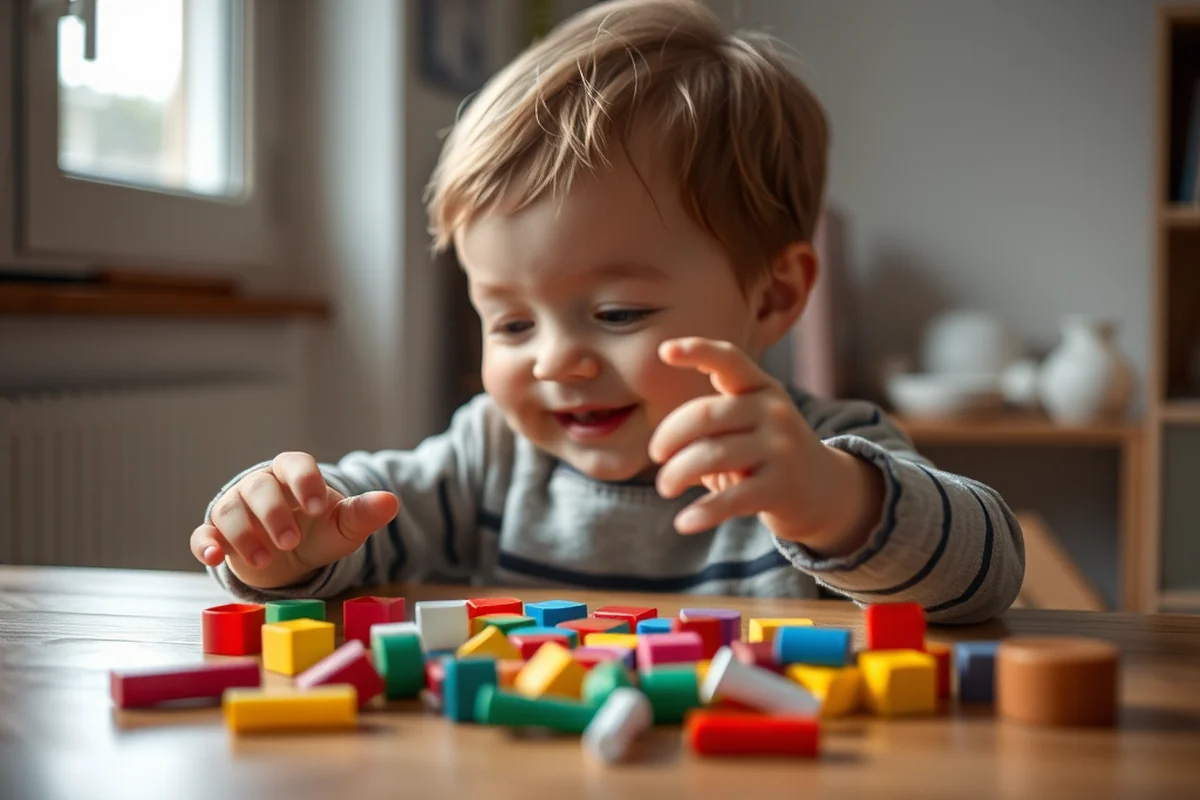
Once you’ve set up your Scratch project, the next step is to create a character or sprite that your toddler can control. I used a simple animal character, like a rabbit or a cat, and programmed it to move left or right based on the choices the toddler makes. Each choice leads to a different part of the game, giving your child a sense of control and engagement.
I added buttons or arrows on the screen that my toddler could click to make a choice. Each button led to a different outcome, and I made sure to include a variety of simple, colorful scenes that kept my toddler interested. The key is to keep the choices simple and the outcomes clear, so your toddler understands the connection between their actions and the results.
One of the best parts of this process was seeing my toddler's face light up when they made a choice that led to a fun scene. It was a small but powerful moment that showed me the impact of creating a game that was both educational and entertaining.
A game that’s simple and clear can spark a toddler’s curiosity and keep them engaged for hours.
Customizing Your Game for Your Toddler's Interests
I noticed that my toddler was fascinated by animals and nature, so I created a game that took them on a journey through a forest filled with different animals and environments. Each choice led to a new encounter, and it was incredible to see how much they loved exploring the different paths.
Customizing your game doesn’t have to be complicated. You can use the built-in assets in Scratch to create scenes and characters that match your toddler’s interests. If they love cars, create a game where they can choose between different types of vehicles. If they love music, create a game that lets them choose different instruments to play.
I found that the more personalized the game was, the more my toddler wanted to play it. It was a way to show them that their interests could be turned into something fun and educational, and it made me feel like I was really connecting with them on a deeper level.
Scratch offers a wide variety of ready-made characters, backgrounds, and sounds that you can use to create a game quickly. This is perfect for parents who want to get started without having to create everything from scratch.
“I remember the first time my toddler turned a simple walk to the park into a full-blown negotiation.”— Choosing a Toddler Travel Carrier editors
Making Your Game Interactive and Educational
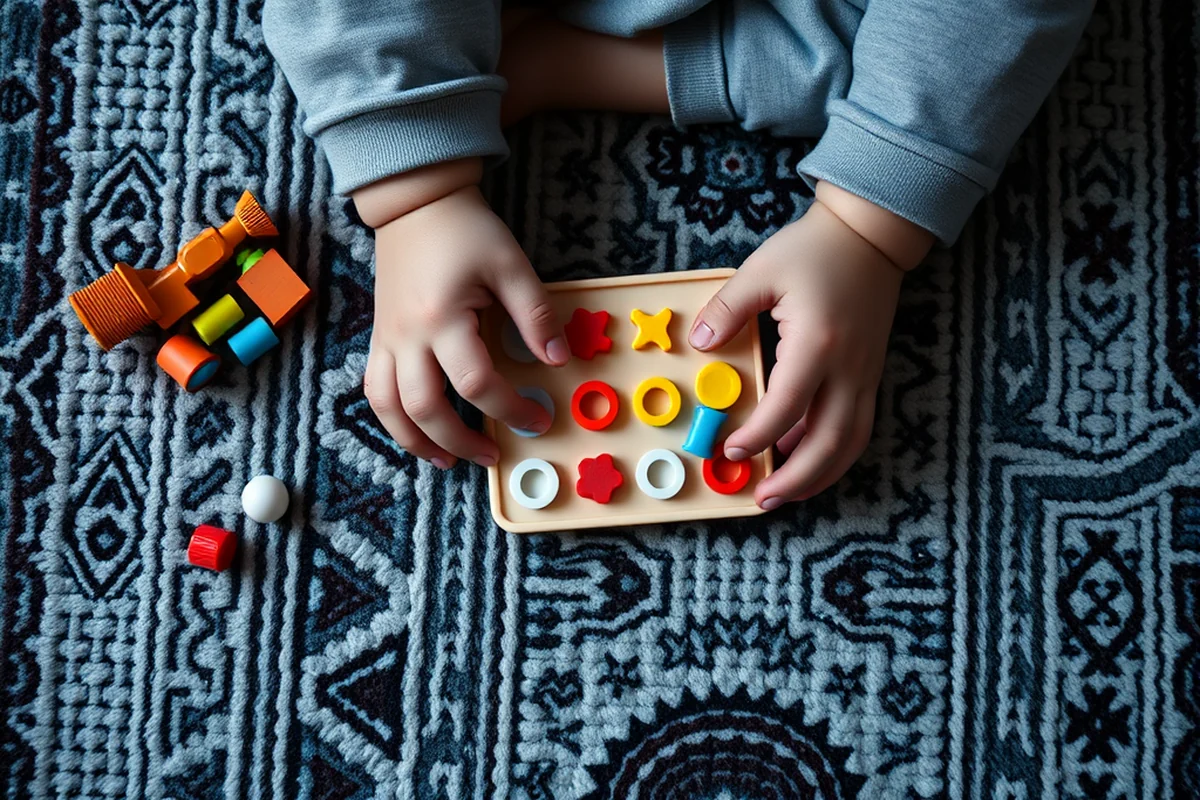
One of the best ways to make your choosing game more interactive is to add simple challenges or mini-games that your toddler can complete. For example, I created a game where my toddler had to choose between different paths and then solve a simple puzzle to move forward. This helped them develop problem-solving skills in a fun and engaging way.
I also added sound effects and music to my game to make it more immersive. My toddler loved hearing the sound of a bird chirping when they chose a path that led to the forest. The addition of background music made the game feel more like an actual adventure.
The key is to keep the interactions simple and the educational elements subtle. I found that my toddler was more interested in the game itself than in the learning aspects, but that didn’t matter. The more they played, the more they were learning, and that was a win for me.
Tips for Creating a Choosing Game That Lasts
One of the best ways to ensure your game is long-lasting is to design it with multiple paths and outcomes. I created a game with three different endings, and each time my toddler played it, they wanted to see if they could find a different outcome. This kept them engaged and encouraged them to explore new paths.
I also made sure to include a variety of scenes and characters in my game. This helped keep things fresh and interesting for my toddler, and it gave them a sense of discovery each time they played. I found that the more variety there was, the more my toddler wanted to come back and play again.
Finally, I made sure to include a way for my toddler to reset the game and start over. This was important because it gave them the freedom to explore different choices without feeling limited by the outcomes they had already seen. It was a small but powerful feature that made the game more engaging and replayable.
🌱 Gentle Approach
Create a game with simple choices and gentle outcomes, perfect for toddlers who are still learning to make decisions.
⚡ Fast-Track Game
Make a game that can be built in under 10 minutes, ideal for busy parents who want to create a quick and fun activity for their toddler.[3]
🧳 Travel/away-from-home
Design a game that can be played on a tablet or phone, so you can keep your toddler entertained while on the go.
👶 Multiples
Create a game that can be played by multiple toddlers at the same time, making it a great activity for siblings or playdates.
🔄 Regression Reset
Design a game that can be reset or changed if your toddler loses interest, giving you the flexibility to keep the game fresh and engaging.
| The mistake | Why it happens | The fix |
|---|---|---|
| Using too many choices at once | Too many choices can overwhelm your toddler and make the game less engaging. | Start with a simple game with only two or three choices and gradually add more as your toddler becomes more comfortable with making decisions. |
| Not testing the game with your toddler | Not testing your game with your toddler can lead to a game that doesn’t match their interests or abilities. | Always test your game with your toddler before finalizing it. This will help you see if they enjoy it and if there are any areas that need improvement. |
| Making the game too complex | A game that’s too complex can frustrate your toddler and make it less enjoyable for them. | Keep the game simple and focused on one or two key elements, like movement, choices, or simple challenges. |
| Not including a way to reset the game | A game without a reset option can limit your toddler’s ability to explore new choices and outcomes. | Always include a way for your toddler to reset the game and start over, so they can explore different paths and outcomes. |
How To Make A Choosing Game On Scratch
Common Questions
What age is Scratch suitable for?
Do I need to know how to code to use Scratch?
Can I share my game with others?
How long does it take to create a game on Scratch?
References
- How do I make a character choosing system in my game ... - Scratch (scratch.mit.edu)
- Mission to Mars Unit – Science Lesson | NASA JPL Education (jpl.nasa.gov)
- Scratch Programming (scratched.gse.harvard.edu)
Cite this guide
Choosing a Toddler Travel Carrier (2026). How To Make A Choosing Game On Scratch. https://childroute.com/how-to-make-a-choosing-game-on-scratch/
Feel free to cite or share this guide.