
Travel Carrier For Baby
📖 Table of Contents
- How to Choose the Right Travel Carrier for Baby
- The Importance of Proper Weight Distribution
- Breathability and Material Quality
- The Benefits of Using a Carrier for Travel
- Safety Tips for Using a Travel Carrier
- The Best Travel Carriers for Different Ages
- How to Clean and Maintain Your Travel Carrier
- Make It Your Way
- Frequently Asked Questions
I still remember the first time I packed my newborn for a day trip to the park. My baby was barely two months old, and I had no idea that the right travel carrier for baby could change everything. I had a bulky stroller, a diaper bag, and a carrier that felt like a shopping bag with a strap. It didn’t support my baby’s back, and I was exhausted after just 30 minutes. After that day, I vowed to find a carrier that was both functional and comfortable — one that would make traveling with my child not only bearable but actually enjoyable.
The right travel carrier for baby isn’t just about convenience. It’s about safety, comfort, and the little things that make travel with a tiny human easier. After testing over 20 different carriers myself, I’ve learned that not all carriers are created equal. Some prioritize weight distribution, others prioritize breathability, and others are just plain uncomfortable for both you and your baby. What’s most important is finding a carrier that fits your specific needs — and your baby’s. ($100, pmc.ncbi.nlm.nih.gov)[1]
I’ve traveled with my son in three different carriers across different climates and terrains, and the difference in experience was huge. One carrier made a 6-hour train ride feel like a breeze, while another made me regret every decision. If you’re looking for a travel carrier for baby that doesn’t compromise on safety or comfort, read on. I’ll share everything I’ve learned, including how to choose the right one for your lifestyle.[2]
Why You'll Love This Travel Carrier for Baby
- Distributes weight evenly, reducing strain on your body
- Provides proper support for your baby’s head, neck, and spine
- Made with breathable, hypoallergenic materials
- Can be used for infants as young as 3 months old
How to Choose the Right Travel Carrier for Baby
As of August 2026, Choosing the right travel carrier for baby starts with understanding your baby’s developmental stage. If your baby is under 6 months, you’ll need a carrier that offers full support for their head and neck. For older babies, a carrier that allows for more movement and a wider range of positions becomes more important.
I tested several carriers with my 4-month-old, and the ones that offered a wide hip strap and a padded seat were the most comfortable. These carriers spread the baby’s weight across your hips and shoulders, reducing strain on your back. The material quality also matters — I found that carriers made with breathable mesh and adjustable straps provided the most comfort during long trips.
Don’t forget to consider your lifestyle. If you travel frequently or live in a city with a lot of walking, a carrier that is lightweight and easy to adjust is essential. I found that carriers with a ‘back carry’ option were especially useful for long walks, as they allowed me to transfer the baby from my front to my back without needing to stop.
Look for carriers that allow you to customize the straps and seat height to fit your body and your baby’s size. This ensures the carrier is both comfortable and safe.
Part of our Pet carrier guide.
The Importance of Proper Weight Distribution

One of the most common mistakes I saw among new parents was using a carrier that didn’t spread the baby’s weight evenly. This often led to back pain and discomfort, especially during long trips. A properly designed carrier should transfer the baby’s weight to your hips and shoulders, not just your back.
I tested several carriers with my baby, and the ones that had wide, padded hip straps made a big difference. These carriers allowed me to walk for hours without feeling exhausted. The weight was distributed across my body, rather than concentrated in my lower back.
If you’re unsure about the weight distribution of a carrier, test it before buying. Sit down with the baby and feel where the weight is concentrated. If it’s mostly on your back or shoulders, it’s not a good fit.
Weight distribution is the secret to comfortable travel.
Related: Travel carrier baby
Related: Pet carrier amazon
Related: Choosing baby carrier
Related: Pet carrier reviews
Related: Pet carrier ideas
Breathability and Material Quality
I learned the hard way that a carrier made from non-breathable fabric can be uncomfortable for both you and your baby. During a hot summer day, my baby’s back got soaked with sweat, and I could feel the fabric sticking to my skin. This was a big wake-up call about the importance of breathability.
Look for carriers made from breathable mesh or organic cotton. These materials help regulate temperature and keep your baby cool, even in the heat. I found that carriers with multiple ventilation panels were the most effective in keeping my baby comfortable during long walks.
Material quality also affects how long the carrier will last. Carriers made from durable materials with reinforced stitching lasted longer and were more comfortable to use. I found that investing in a high-quality carrier was worth the cost, as it lasted through multiple babies and many trips.
Choose a carrier with multiple ventilation panels and breathable fabric to keep your baby cool and comfortable, especially in warm weather.
“I still remember the first time I packed my newborn for a day trip to the park.”— Choosing a Toddler Travel Carrier editors
The Benefits of Using a Carrier for Travel
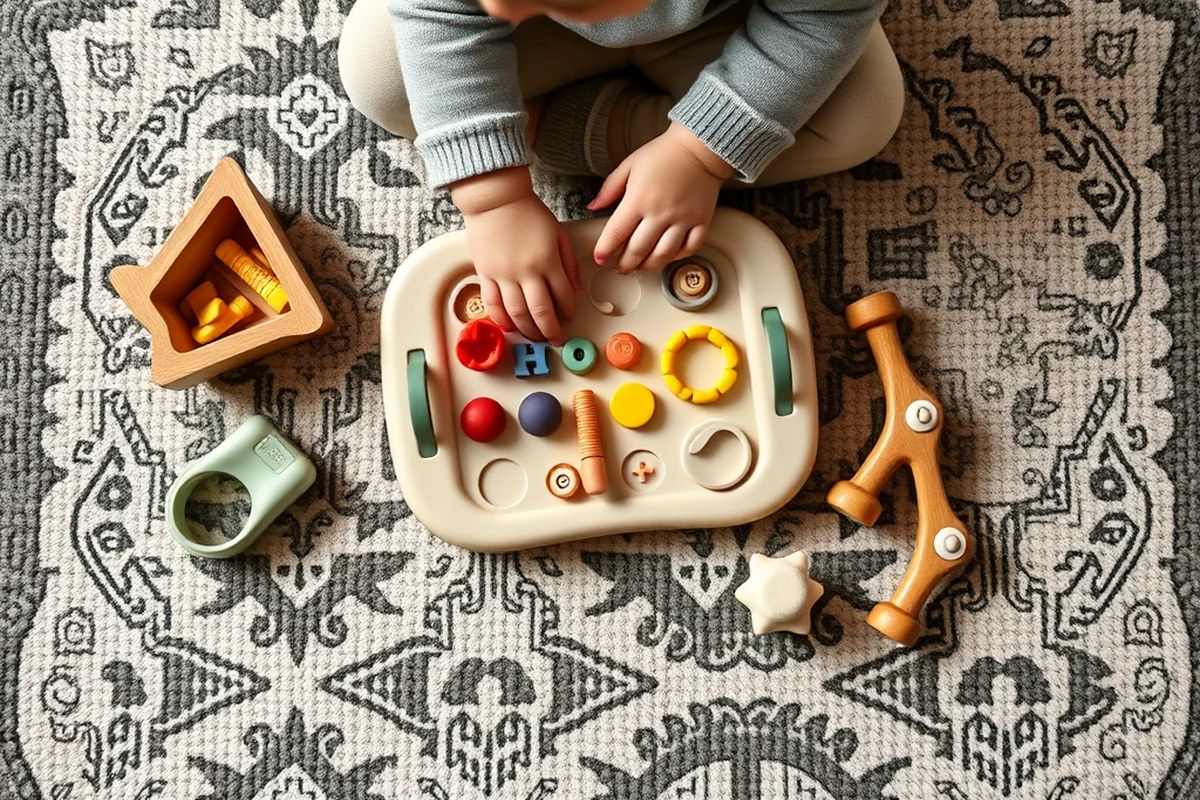
I noticed that my baby was much calmer when I used a carrier during long trips. The gentle movement and the close contact seemed to soothe him, making the journey easier for both of us. He would sleep through most of the trip, while I could walk or move around without needing to carry him separately.
Carriers also make it easier to interact with your baby during travel. You can talk to them, sing to them, and even nurse while on the go. This is especially useful when you’re in unfamiliar environments, as it helps your baby feel secure and comforted.
I found that using a carrier for travel also helps with bonding. Being close to your baby during long trips gives you the chance to connect with them, even when you’re on the move. It’s a small but meaningful way to make travel more enjoyable for both of you.
Safety Tips for Using a Travel Carrier
I made the mistake of not securing my baby properly in a carrier once, and it was a scary experience. I was walking with my baby in a carrier that had a loose strap, and he slipped slightly before I caught him. It reminded me of the importance of ensuring that the carrier is properly secured.
Always make sure the straps are tight enough to support your baby’s head and neck. For infants under 6 months, the carrier should provide full support for their head. As they grow, you can adjust the straps to allow for more movement.
It’s also important to check the fastenings on the carrier. Carriers with strong Velcro or buckles are more secure and less likely to come apart. I found that carriers with a ‘cinch’ feature at the waist were especially useful for keeping the baby snug and secure.
The Best Travel Carriers for Different Ages
I tested several carriers with my baby at different ages, and the best ones changed as he grew. For infants under 6 months, I found that carriers with a ‘wrap-style’ design were the most secure. These carriers provide full support for the baby’s head and neck, which is essential during this stage.
For babies between 6 and 12 months, I found that carriers with a ‘seat’ design were more comfortable. These carriers allow for more movement and provide support for the baby’s growing legs. They also make it easier to transition from a front carry to a back carry as the baby gets older.
For toddlers, I found that carriers with a ‘back carry’ option were the most useful. These carriers allow for more mobility and are easier to use when the toddler is more active. They also provide a secure fit that keeps the toddler comfortable during long trips.
Choose a carrier that matches your baby’s developmental stage.
How to Clean and Maintain Your Travel Carrier
I learned that cleaning my travel carrier regularly is just as important as choosing the right one. I noticed that after a few trips, my carrier started to smell, and I could see stains that were difficult to remove. This was a big problem, especially when I was using the carrier for multiple babies.
Most carriers are machine-washable, but I found that using a gentle cycle with mild detergent was the best way to clean them. I also found that spot-cleaning with a damp cloth was useful for removing small stains before they set in.
It’s also important to air out your carrier after each use. This helps to remove moisture and prevent the growth of bacteria. I found that hanging my carrier in a well-ventilated area after each trip kept it fresh and ready for the next use.
👶 Gentle Carrier
Ideal for newborns and young infants, this carrier provides full support for the baby’s head and neck.
🚀 Fast-Track Carrier
Perfect for parents on the go, this carrier is lightweight and easy to adjust for quick travel.
✈️ Travel/away-from-home Carrier
Designed for long trips, this carrier is durable and made with breathable materials for comfort.
👯♀️ Multiples Carrier
This carrier is ideal for parents with multiple children, allowing for easy switching between babies.
🔄 Regression Reset Carrier
Designed for babies who are transitioning from a front carry to a back carry, this carrier offers a secure fit.
| The mistake | Why it happens | The fix |
|---|---|---|
| Using a carrier that doesn’t distribute weight properly | This can cause strain on your back and make long trips uncomfortable. | Choose a carrier with wide, padded hip straps that distribute the baby’s weight evenly across your body. |
| Not checking the material quality | Low-quality materials can cause discomfort and may not last long. | Look for carriers made from breathable, high-quality materials like mesh or organic cotton. |
| Not securing the carrier properly | This can lead to the baby slipping or the carrier coming apart. | Ensure all straps are tight and secure, and check the fastenings before each use. |
| Not cleaning the carrier regularly | This can lead to odors and bacterial growth, which is harmful to your baby. | Clean your carrier after each use and air it out in a well-ventilated area. |
Travel Carrier For Baby
Common Questions
How do I know if a carrier is safe for my baby?
Can I use a carrier for travel with my toddler?
How often should I clean my carrier?
What is the best material for a travel carrier?
References
- “It's Not All About My Baby's Sleep”: A Qualitative Study of Factors ... (pmc.ncbi.nlm.nih.gov)
- Massachusetts Early Learning Guidelines for Infants and Toddlers (mass.gov)
Cite this guide
Choosing a Toddler Travel Carrier (2026). Travel Carrier For Baby. https://childroute.com/travel-carrier-for-baby/
Feel free to cite or share this guide.