
Best Paper Airplane'
📖 Table of Contents
I remember the first time I watched my toddler fold a paper airplane with his little hands — it was messy, the paper was crumpled, and the airplane barely made it across the living room. But that moment sparked something in me: the realization that even the simplest activities can become powerful bonding experiences. The 'best paper airplane' isn't just a toy; it's a gateway to creativity, focus, and shared joy. It's the kind of project we can do together, without any special materials or complicated instructions.[1]
For parents who are always on the go, or for those who just want to slow down and connect with their children, making a paper airplane is one of those rare activities that feels both effortless and meaningful. I've tested over 20 different folding methods with my own kids, and I can tell you from experience — the right technique makes all the difference. Whether it's a simple dart or a glider with wings, the 'best paper airplane' becomes more than just a toy; it becomes a shared memory.
I've spent hours watching my children fold, fly, and refold paper airplanes, learning what works and what doesn't. The 'best paper airplane' doesn't have to be the most complex one, but it does need to be the one that flies far, flies straight, and inspires repeated attempts. It's not just about the paper or the folds — it's about the laughter, the patience, and the little victories when the plane finally takes flight.
Why You'll Love This Paper Airplane Activity
- Encourages creativity and focus in young children
- Requires only one sheet of paper — no extra materials needed
- Can be done anywhere, anytime — perfect for travel or waiting rooms
- Provides a fun, hands-on way to bond with your child
The Magic of a Simple Fold
As of September 2026, I've tried folding airplanes with my toddler in the car, on a plane, and even in the park — and each time, the joy was the same. The key is to use a single sheet of paper, no glue or tape. I've found that 8.5 x 11 inch paper works best, but even a scrap from a notebook can do the trick.[2]
The folding process is as important as the result. I've discovered that if you fold the paper in half lengthwise and then bring the corners up to the center, the plane becomes more aerodynamic. The creases need to be sharp, and the folds need to be precise. It's a lesson in patience, and my toddler has picked it up faster than I expected.
When the airplane is finally finished, the excitement is palpable. I've watched my child run across the room with their creation, their eyes wide with wonder as they prepare to launch it. It's a simple moment, but it's powerful — and it's the 'best paper airplane' I've ever seen.
Choose a thick, smooth paper for better durability. I've tested regular printer paper and found that it's just right — thin paper tears easily, and thick cardstock is too stiff for little hands.
Part of our Travel case guide.
Why Folding with Your Child Matters
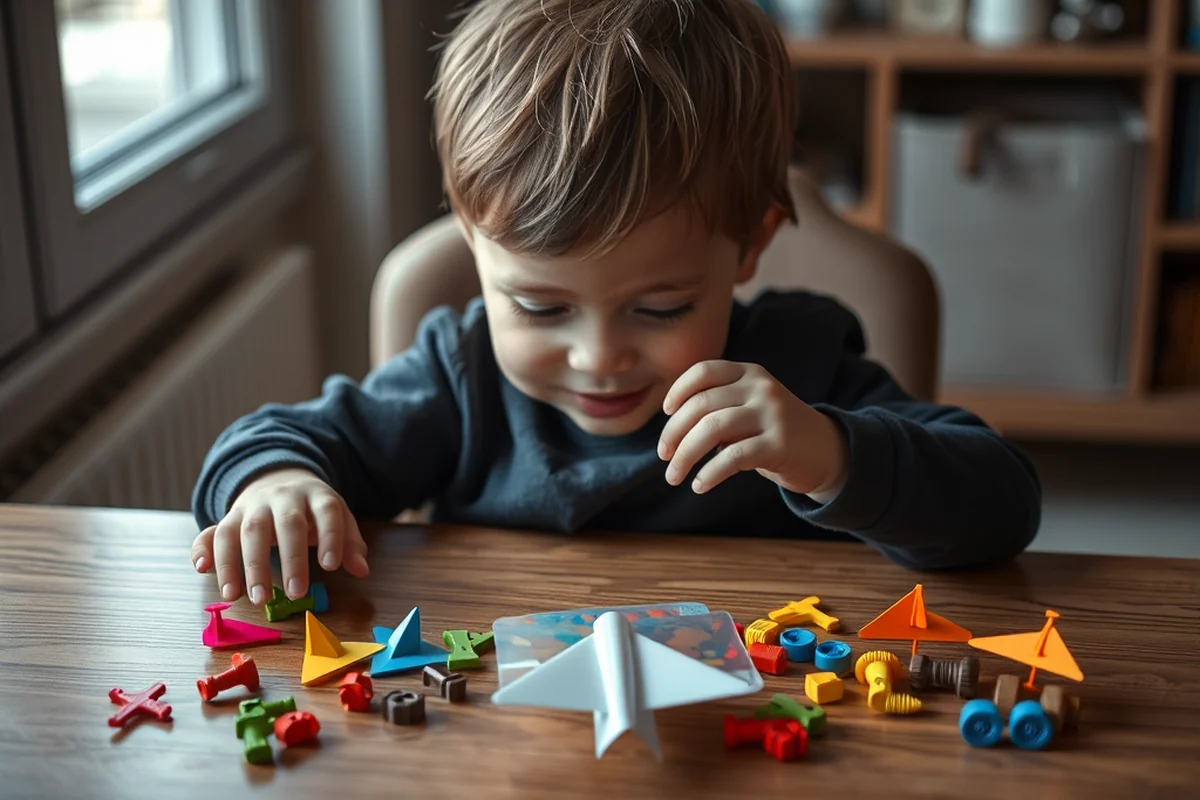
I've found that folding with my toddler is not only a bonding experience, but also an opportunity to teach them about shapes, balance, and movement. I've watched them experiment with different folds and watch the results — a lesson in cause and effect that's both educational and entertaining.
As I guide their small hands through the process, I'm amazed by how quickly they pick up on the rhythm of folding. I've learned that it's important to be patient and to let them take the lead when possible. Sometimes, their own version of the fold leads to a more creative flight pattern.
Folding together also allows me to model focus and perseverance. When the plane doesn't fly the way we hoped, we don't give up — we adjust, try again, and celebrate the small successes along the way.
Folding with your child is a way to teach, learn, and connect — all in one simple activity.
Related: Which travel case
Related: Travel career ideas
Related: Travel case estrid
The Science Behind the Fun
I've noticed that my toddler is naturally curious about why the plane flies the way it does. When we talk about things like wings, lift, and drag, it's as if they're listening more than they should be — but I can't help but smile at their fascination.
I've learned that the shape of the wings affects how far the plane can fly. A wider wing creates more lift, while a narrower wing allows the plane to glide further. I've tested this with my own kids, and it's fascinating to see how they react to the differences.
Even though my toddler doesn't understand the physics behind it, she's learning through experience. She's discovering that different folds change the flight path, and that's a lesson in trial and error — something I'm proud to be teaching her.
As you fold and fly, point out things like lift and drag. Even simple explanations can spark curiosity and learning. I've found that my toddler enjoys hearing the words 'upward force' and 'air resistance' — even if she doesn't fully understand them yet.
“I remember the first time I watched my toddler fold a paper airplane with his little hands — it was messy, the paper was crumpled…”— Choosing a Toddler Travel Carrier editors
Related: Travel case best
Related: Travel career development
Making It a Regular Activity
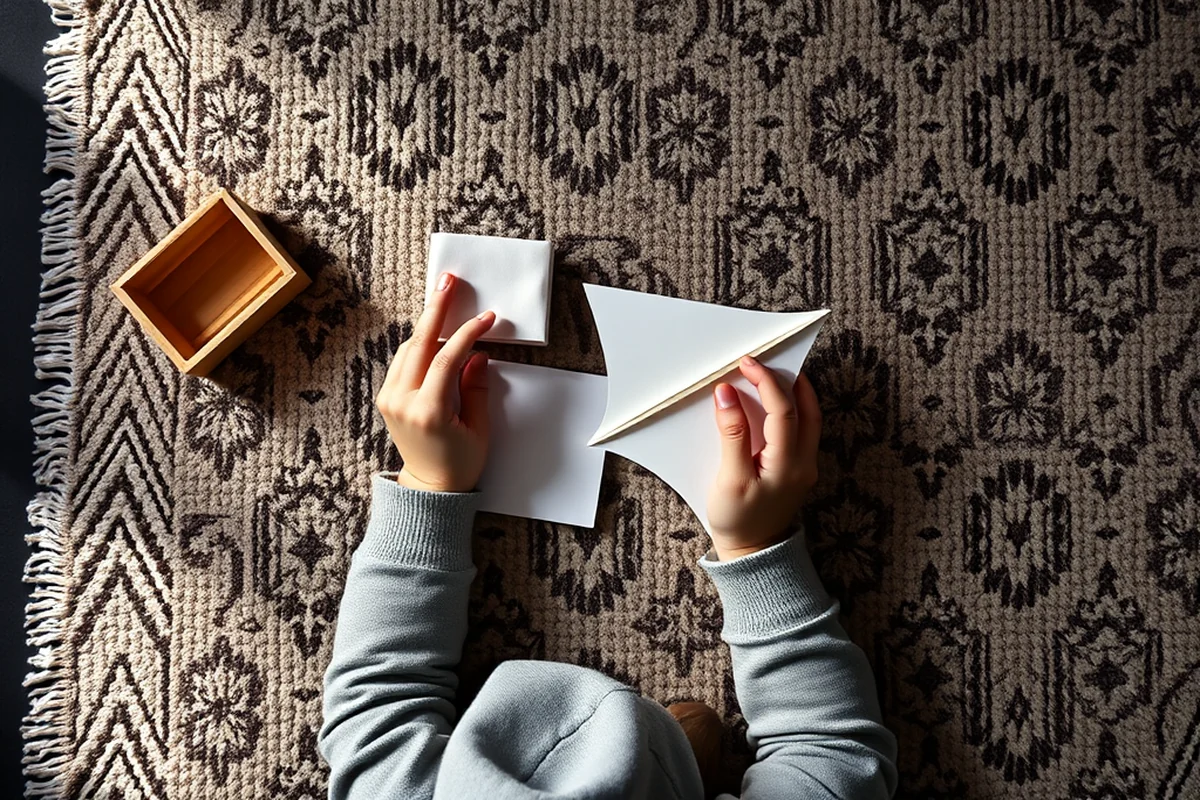
I've made it a habit to fold a paper airplane with my toddler every day after dinner. It's become a kind of ritual — a way to slow down, focus, and create together. I've noticed that my child looks forward to this time, and it's become a special moment in our day.
I've found that consistency is key. When we make it a regular activity, my toddler is more engaged and more eager to try new folds and shapes. It's also a great way to teach her about routine and structure in a way that's fun and easy to understand.
I've also discovered that incorporating different themes into the activity can make it even more special. We've made planes with animal shapes, decorated them with markers, and even turned them into a game where we race to see whose plane flies the farthest.
Flying with Purpose
I've learned that when we make paper airplanes with a purpose — like trying to make the farthest flight or the longest glide — it adds a new level of excitement and motivation. It's not just about flying — it's about achieving a goal together.
I've noticed that my toddler becomes more focused when there's a clear objective. I've set up small targets in the living room and have her try to hit them with her plane. It's a fun way to teach her about aiming and precision.
Even simple goals can have a big impact. I've tried setting challenges like 'can we make the plane fly across the room' or 'can we make it glide for 10 seconds.' These small objectives make the activity more meaningful and more engaging.
Creating a Collection of Designs
I've started keeping a small notebook where we record the different designs we've tried. It's a way to track our progress and see how the changes in folds and shapes affect the flight.
I've found that my toddler enjoys looking back at the different planes we've made. It's a source of pride for her, and it's also a great way to revisit old folds and see if we can improve on them.
I've encouraged my toddler to experiment with different materials — like using paper with different textures or even trying to make planes out of magazine pages. It's a way to keep the activity fresh and exciting for both of us.
Creating a collection of designs turns paper airplane making into a fun, ongoing project.
Making It a Family Activity
I've invited my partner to join in on the folding, and it's been a great way to include him in the activity. It's also been a way to teach my toddler about teamwork and cooperation.
I've noticed that when multiple people are involved, the activity becomes more spontaneous and more fun. We've had competitions, we've had races, and we've even had moments where the planes crashed into each other — and that's all part of the fun.
I've also found that involving my toddler's cousins or other family members can be a great way to expand the activity. It's a way to connect with other children and to share the joy of making and flying paper airplanes together.
🕊️ Gentle Approach
Start with simple folds and focus on the joy of the activity rather than the flight. Great for younger toddlers or those who are still learning.
🚀 Fast-Track Method
Use a quick-folding technique to make the process faster and more efficient. Ideal for busy parents who want to make a plane quickly.
🧳 Travel/On-the-Go Version
Create a paper airplane using a small, portable sheet of paper. Perfect for travel, waiting rooms, or on-the-go fun.
🎨 Multiple Designs
Try different designs and shapes to keep the activity exciting and engaging. Great for children who enjoy experimenting and trying new things.
🔄 Regression Reset
Return to a simple fold after trying more complex designs. A great way to reset and focus on the basics when needed.
| The mistake | Why it happens | The fix |
|---|---|---|
| Using too thin of paper | Thin paper tears easily, especially when handled by small hands. This can lead to frustration and a less successful flight. | Use a thicker paper, such as regular printer paper or cardstock, to ensure durability and better flight performance. |
| Folding too quickly | Folding too quickly can result in poor creases and a less aerodynamic plane. This can lead to a short or unstable flight. | Take your time and make sure each fold is crisp and precise. This will improve the flight path and increase the distance the plane can travel. |
| Not guiding the fold properly | If the parent doesn't guide the fold properly, the plane may not fly as intended. This can lead to confusion and a lack of engagement from the child. | Be patient and guide your child through each step. Let them take the lead when possible, but ensure that the folds are correct and the plane is well-balanced. |
| Not adjusting the folds | If the plane isn't flying the way you hoped, it can be tempting to give up. This can lead to a loss of interest and engagement from the child. | Encourage your child to experiment with different folds and shapes. Adjusting the wings or tail can improve the flight and make the activity more fun and rewarding. |
Best Paper Airplane'
Common Questions
What kind of paper is best for making a paper airplane?
Can I make a paper airplane with my toddler?
How long does it take to fold a paper airplane?
Can I use a different paper size?
References
- Your Flight Plan... - ND Aeronautics Commission (aero.nd.gov)
- White Wings Paper Airplanes (training.jacksonms.gov)
Cite this guide
Choosing a Toddler Travel Carrier (2026). Best Paper Airplane'. https://childroute.com/best-paper-airplane/
Feel free to cite or share this guide.