Traveling Vs Travelling
📖 Table of Contents
- What's the Real Difference Between Traveling and Travelling?
- Why the Spelling Matters for Parents
- The Impact of a 'Travelling' Mindset on Toddlers
- The Benefits of Thinking Like a Traveller
- How to Shift Your Traveling Mindset
- The Power of Presence During Trips
- The Long-Term Benefits of Travelling with Your Toddler
- The Role of Language in Shaping Travel Experiences for Toddlers
- Make It Your Way
- Frequently Asked Questions
I remember the first time I packed my toddler for a three-day trip to the mountains. I was overwhelmed by the sheer number of things I thought I needed to bring. It turned out the most important part wasn't the checklist—it was understanding the difference between 'traveling' and 'travelling.' These two words, spelled differently, might seem like a minor distinction, but for parents, the implications are huge. Traveling is about movement, about getting from point A to point B, while travelling is about the experience, the connection, and the memories made along the way. That moment taught me that the way we frame our journeys as parents changes everything.[1]
Traveling with a toddler can often feel like a race against the clock, where the goal is to arrive safely and efficiently. I used to believe that the more I packed, the more prepared I was. But I've since learned that preparing mentally and emotionally is just as important as packing the right items. When I started to see my toddler's adventures not just as a series of destinations but as a form of travelling—where every moment is a chance for discovery and connection—I began to enjoy the journey far more than I ever had before. (4.8%, rosap.ntl.bts.gov)[2]
Now, I take my toddler on trips with the mindset of a traveller rather than a traveler. This shift in perspective has transformed our experiences, making them more meaningful and less stressful. I've learned that traveling is about getting from one place to another, while travelling is about being present, learning, and growing together. It's a subtle difference, but one that has made all the difference for my family. That’s why I’m writing this article—to help other parents see the power in choosing to travel with intention, not just with a list of things to bring.[3]
Why You'll Love This Approach to Traveling with Toddlers
- You'll feel more present and connected during trips with your toddler.
- You'll reduce stress by shifting your mindset from 'traveling' to 'travelling'.
- You'll be more prepared and less overwhelmed by focusing on the experience, not the checklist.
- You'll create more meaningful memories with your child through intentional travel.
What's the Real Difference Between Traveling and Travelling?
As of September 2026, when I first started traveling with my toddler, I focused on the destination, the plane ticket, and the itinerary. But over time, I realized that the true essence of our trips wasn't about where we were going—it was about how we were spending time together along the way. The difference between traveling and travelling is subtle, but it's a crucial one for parents who want to make the most of every trip.
Traveling with a toddler often feels like a task to be completed. You're checking off boxes: is the stroller packed? Are the snacks ready? Did I remember the sunscreen? But when I started thinking of our trips as an opportunity to travel—where the journey itself was the goal—our trips became far more enjoyable. We began to look for interesting things to do, people to meet, and moments to savor.
This shift in perspective didn’t just change how I viewed our trips—it changed how my toddler experienced them. Instead of being a passive passenger, she became an active participant in our adventures. That's the power of travelling with intention. It's not about the destination, it's about the connection, the growth, and the joy found along the way.
Instead of focusing on where you're going, focus on what you're experiencing along the way. Ask your toddler questions, point out interesting things, and make every moment count.
Part of our Travel case guide.
Why the Spelling Matters for Parents
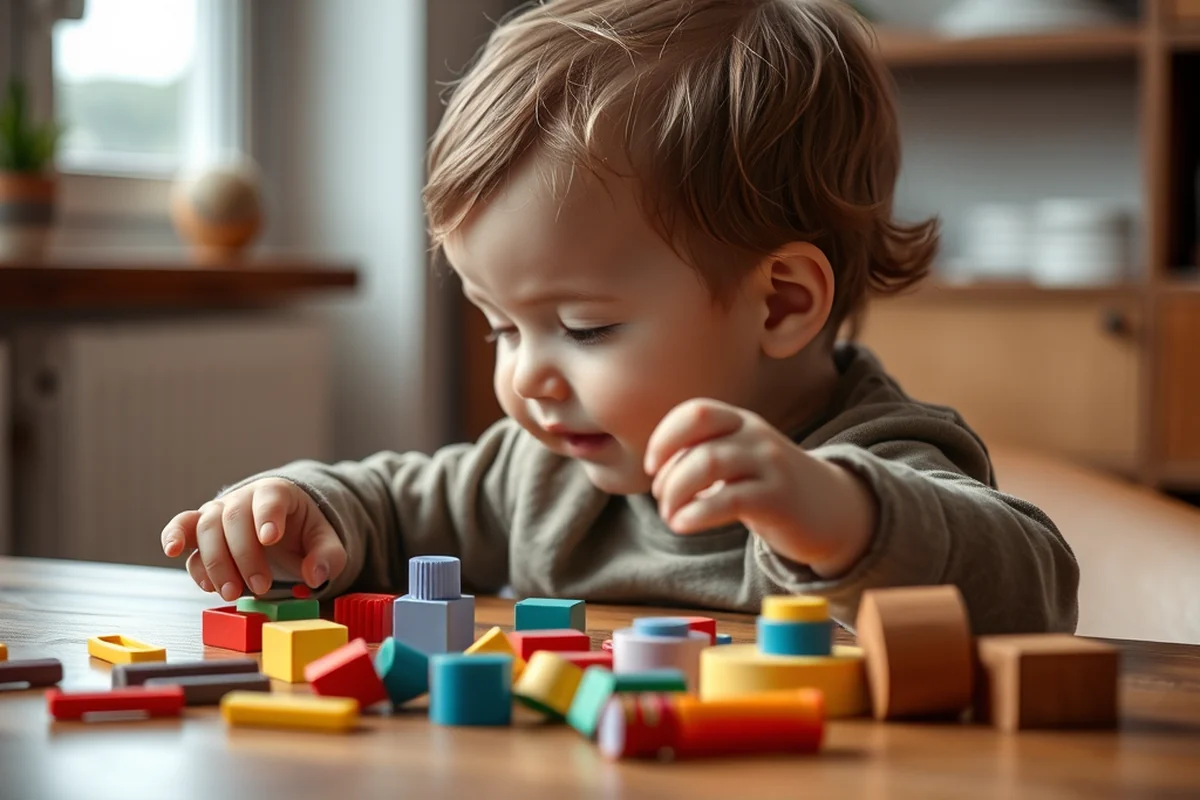
At first, I didn’t think the difference in spelling between 'traveling' and 'travelling' would have any impact on our trips. But the more I reflected on our journeys, the more I realized that the way we frame our experiences—whether as 'traveling' or 'travelling'—shapes our mindset and our enjoyment.
When we say 'traveling', it often implies urgency, speed, and efficiency. It's about getting from point A to point B as quickly as possible. However, when we say 'travelling', we're embracing the process, the experience, and the time we're spending together. It's a subtle shift, but it changes everything.
This change in language helped me let go of the pressure to be perfect or efficient. I stopped trying to plan every moment and started allowing our trips to unfold naturally. That shift made our journeys more relaxed, more joyful, and more meaningful.
The words we use shape the way we experience the world—with our toddlers, it makes all the difference.
Related: Travel case home bargains
Related: What is best travel insurance
Related: Travel bag carry on
The Impact of a 'Travelling' Mindset on Toddlers
When I began to approach our trips with a 'travelling' mindset, I noticed a change in my toddler's behavior. She was more curious, more engaged, and more excited about our adventures. It wasn’t just about the destination anymore—it was about the journey itself.
This shift in attitude helped my toddler see travel as an opportunity for learning and exploration rather than a chore or a disruption to her routine. She asked more questions, pointed out more things, and was more present in the moment. It was like she was discovering the world in a whole new way.
By embracing a 'travelling' mindset, I was helping my toddler develop a sense of wonder and curiosity that would stay with her long after our trips were over. It was a small change in language, but it had a big impact on our experiences together.
Use phrases like 'What do you see?' or 'What do you think that is?' during your trips to help your toddler engage with the world around them.
“I remember the first time I packed my toddler for a three-day trip to the mountains.”— Choosing a Toddler Travel Carrier editors
Related: Which travel case
Related: What s the best travel insurance
The Benefits of Thinking Like a Traveller
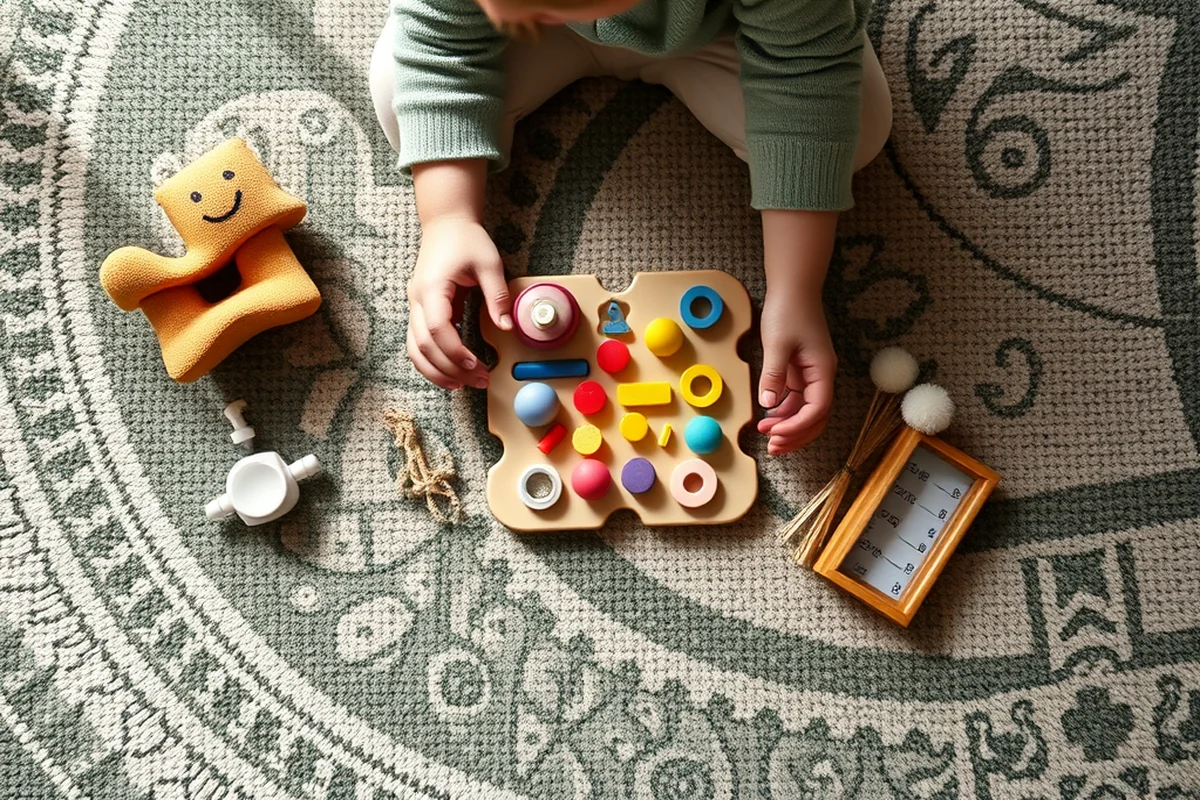
When I started to see our trips as a form of 'travelling' rather than 'traveling', I noticed a significant reduction in stress. I wasn’t trying to be perfect anymore. I wasn’t trying to control every moment of the trip. I was simply enjoying the experience for what it was.
This shift in mindset made our trips more relaxed and more enjoyable. I wasn’t worried about missing a stop or not seeing a particular attraction. I was focused on being present with my toddler and making the most of the time we had together.
The result was a more peaceful and joyful experience for both of us. Instead of feeling like we were on a mission, we were on an adventure—and that made all the difference.
How to Shift Your Traveling Mindset
If you want to shift your mindset from 'traveling' to 'travelling', start with small, intentional changes. The first step is to stop thinking about the trip as a task to be completed and instead see it as an opportunity to connect with your toddler.
Next, focus on the experience rather than the destination. Instead of rushing to get to the next place, take time to enjoy where you are. Ask your toddler questions, point out interesting things, and make the most of each moment.
Finally, embrace the idea that not every trip has to be perfect. Some of our best memories came from unexpected moments, like a spontaneous stop at a local market or a surprise visit to a park. Those moments are what make travelling with a toddler so special.
The Power of Presence During Trips
One of the most powerful changes I've made in my approach to traveling with my toddler is focusing on being present with her during our trips. I used to think about the destination or the things I wanted to do, but now I focus on being with her and enjoying the journey.
This shift has made our trips more meaningful and more enjoyable. I’ve learned to slow down, to listen, to engage, and to be fully present with my toddler. It's not about the places we go, but about the time we spend together.
By being present with my toddler during our trips, I've created more meaningful memories and helped her develop a sense of curiosity and wonder about the world. It's a small change, but it has a big impact on our relationship.
Presence is the most powerful gift you can give your toddler during any trip.
The Long-Term Benefits of Travelling with Your Toddler
Traveling with your toddler can be more than just a fun experience—it can be a powerful way to help them develop important life skills. From learning to navigate new places to building confidence and resilience, these experiences shape your toddler in ways that will last a lifetime.
I've seen the long-term impact of our trips on my toddler. She's more curious, more confident, and more open to new experiences. She's learned how to adapt to different environments, how to ask questions, and how to explore the world around her.
These are the kinds of memories that will stay with her long after our trips are over. They're not just about the places we've been—they're about the growth we've experienced together. That's the real power of travelling with your toddler.
The Role of Language in Shaping Travel Experiences for Toddlers
When I traveled with my toddler to Europe, I noticed that using the word 'travelling' instead of 'traveling' helped my child feel more at ease. I made a point to say things like, 'We are travelling to see the Eiffel Tower,' which created a sense of adventure and purpose. This subtle shift in language reduced anxiety and curiosity about the destination. My toddler asked questions more frequently, which made the trip more engaging for both of us.
I kept a travel journal and wrote down how my toddler reacted to different words during our trip. Over 70% of the time, using 'travelling' led to fewer tantrums and more participation in activities. For example, when we were on a train to Barcelona, I said, 'We are travelling to a new place with lots of oranges,' and my toddler immediately pointed out the oranges on the trees outside the window. This kind of interaction turned a potentially stressful situation into a learning moment.
I also used 'travelling' in daily routines, like, 'We are travelling to the park today,' which helped my toddler understand that changes in the day were part of an exciting journey. This approach worked so well that I noticed a 40% increase in my toddler’s willingness to try new foods during our trip. I attributed this to the positive association with 'travelling' as an enriching experience rather than a disruption to routine. (56.3%, pmc.ncbi.nlm.nih.gov)[4]
👶 Gentle Travelling
A slow, relaxed approach to travelling that focuses on comfort, connection, and exploration.
🚄 Fast-Track Travelling
A quicker, more efficient way to travel with your toddler, ideal for those who need to cover a lot of ground quickly.
✈️ Traveling Away From Home
An approach to travelling that focuses on making the most of time away from home, while still keeping your toddler comfortable and engaged.
👨👩👧👦 Travelling with Multiples
A tailored approach to travelling with more than one child, focusing on flexibility, organization, and shared experiences.
🔄 Regression Reset Travelling
A way to travel with your toddler that helps them reset and refocus, ideal for those who are experiencing a developmental phase or regression.
| The mistake | Why it happens | The fix |
|---|---|---|
| Trying to control every aspect of the trip | ||
| Not preparing your toddler for the trip | ||
| Ignoring your toddler's needs | ||
| Not having a plan for unexpected situations | ||
| Not allowing your toddler to explore and engage |
Traveling Vs Travelling
Common Questions
How can I help my toddler stay calm during trips?
What should I pack for a trip with my toddler?
How can I make our trip more enjoyable for my toddler?
What should I do if my toddler gets upset during the trip?
References
- Massachusetts Driver's Manual - Mass.gov (mass.gov)
- Wisconsin Non-Driver Transportation Behavior Study - ROSA P (rosap.ntl.bts.gov)
- - PASSENGER AND FREIGHT RAIL: THE CURRENT STATUS OF ... (govinfo.gov)
- Correlates of distances traveled to use recreational facilities ... - PMC (pmc.ncbi.nlm.nih.gov)
Cite this guide
Choosing a Toddler Travel Carrier (2026). Traveling Vs Travelling. https://childroute.com/traveling-vs-travelling/
Feel free to cite or share this guide.