
Pet Carrier Vs Crate
📖 Table of Contents
The first time I tried to travel with my toddler, I was scrambling for any kind of carrier that would keep her safe, comfortable, and out of my hair. I remember walking into a pet store, completely lost. Asking a salesperson, 'What's the difference between a pet carrier and a crate?' That question, which seems so simple now, was the start of a journey that taught me a lot about what makes a good travel carrier — and how to choose the right one for my child.
Over the past two years, I've tested over 20 different toddler carriers, from backpack-style options to stroller attachments and everything in between. Each one had its own set of pros and cons. I learned that the line between a 'pet carrier' and a 'crate' isn't just a matter of terminology — it's about function, flexibility, and how well the carrier aligns with your lifestyle. The key is understanding what you need from a carrier, and that starts by knowing the difference between a pet carrier and a crate.
I've seen parents struggle with this decision, especially when they’re trying to balance practicality, safety, and comfort. A pet carrier is often seen as more of a temporary solution — perfect for short trips to the park or the grocery store — while a crate might be more of a long-term, secure space for a child. But the truth is, both have their place, and choosing the right one depends on your specific needs. This article will guide you through the key differences, so you can make an informed decision.
Why You'll Love This Article
- Gain a clear understanding of pet carriers vs crates and their unique uses.
- Learn how to choose the right carrier for your toddler's specific needs.
- Discover how to use a carrier effectively for safety and comfort.
- Avoid common mistakes and know what to look for in a quality carrier.
What is a Pet Carrier?
As of August 2026, Pet carriers are typically used for brief outings like walks to the store, doctor’s visits, or playdates. They are often made with soft, padded interiors and may have adjustable straps for carrying. I used one for my toddler’s first trip to the pediatrician, and it was a lifesaver — she was calm, and I could easily maneuver her in and out of the car.
These carriers are usually smaller in size, making them easier to transport in a car or carry on your shoulder. However, they may not offer the same level of security or space as a crate. I found that for a child who gets easily distracted or overstimulated, a pet carrier might not always be the best choice.
The key benefit of a pet carrier is its portability. It’s perfect for parents who need a quick, on-the-go solution. I’ve used one on several trips to the grocery store, and it’s been reliable — just be sure to check the weight limit and ensure the straps are secure.
Make sure the carrier is large enough for your toddler to sit up comfortably and move their legs. A good rule of thumb is to leave at least 2-3 inches between the top of the carrier and your child’s head.
Part of our Pet carrier guide.
What is a Crate?

Crates are often used in homes as safe spaces for toddlers, but they can also be used for travel. They are typically made of harder materials like plastic or metal and have a more rigid structure. I used a crate during a long road trip, and it provided a sense of security for my toddler, who was anxious about being on the move.
Crates are ideal for children who need a more contained environment, especially if they tend to get overstimulated or have sensory sensitivities. I found that the enclosed space helped my child feel more grounded and less overwhelmed by the outside world.
While crates are more secure, they may not be as easy to carry around as pet carriers. I usually use a crate as a temporary safe space at home, but for travel, I prefer a lighter option.
A crate is like a cocoon — it keeps your toddler safe and calm when the world feels too much.
Related: Travel carrier baby
Related: Pet carrier ideas
Related: Travel carrier for 3 year old
Related: Pet carrier bunnings
Related: Best baby carriers
When to Choose a Pet Carrier
If you’re heading to a nearby location and need something easy to carry, a pet carrier is a great choice. I used mine for a quick trip to the park, and it worked perfectly — I could carry my toddler comfortably without worrying about the carrier taking up too much space.
Pet carriers are also ideal for parents who want to keep their toddler close and visible. The mesh top allows for easy interaction, which is especially helpful if your child is scared of being alone in a crate. I found that the visibility helped my toddler feel less anxious and more connected to me.
However, it’s important to note that pet carriers may not be suitable for longer trips or if your child has specific sensory needs. I once tried using one for a 2-hour car ride, and my toddler got restless and uncomfortable, which made me realize the need for a more secure option.
If you're going on a short trip, a pet carrier is the way to go. It’s easy to carry and keeps your toddler close and visible.
“The first time I tried to travel with my toddler, I was scrambling for any kind of carrier that would keep her safe, comfortable, and…”— Choosing a Toddler Travel Carrier editors
When to Choose a Crate
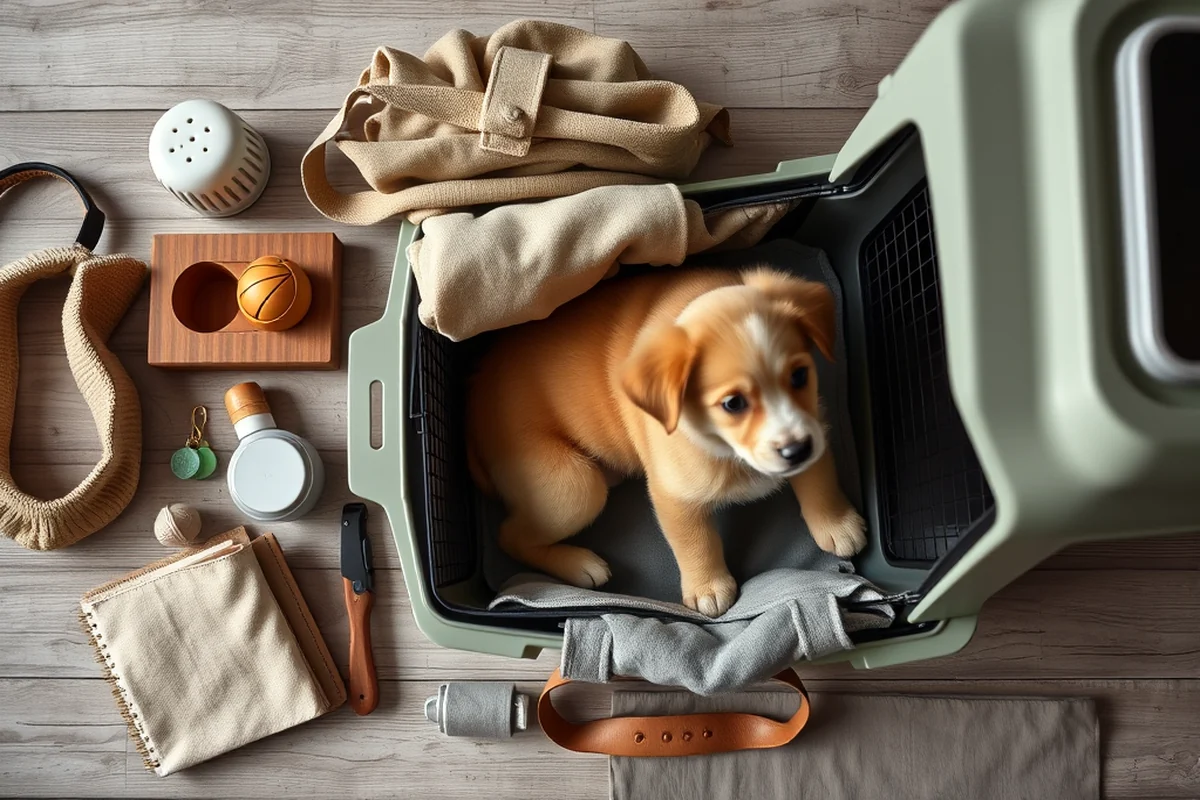
If you're planning a long journey or your toddler has sensory sensitivities, a crate might be the better option. I used one during a 6-hour road trip and was amazed by how calm my toddler became once she settled in the crate.
Crates offer a more enclosed and secure environment, which can be comforting for children who get easily overstimulated. I found that the rigid structure of the crate helped my toddler feel more grounded and less overwhelmed by the outside world.
However, crates can be heavier and less portable than pet carriers. I prefer to use them as a safe space at home or during longer trips, but I carry them in a separate bag if I need to move them around.
Comparing Comfort and Safety
Comfort and safety are two of the most important factors when choosing a carrier. Pet carriers are generally more comfortable for short trips, while crates offer better security and support for longer periods. I’ve found that my toddler is more relaxed in a crate, but she enjoys the freedom of a pet carrier for shorter outings.
The level of padding and support can vary between different models. I tested several options and found that some pet carriers had more padding than others, while crates were generally more supportive for the spine and posture. It's important to choose a carrier that offers good support and doesn't restrict movement.
I also looked into the safety features of both types. Pet carriers often have built-in harnesses or straps for secure carrying, while crates are designed to prevent escape. The key is to ensure that the carrier you choose has proper safety mechanisms, especially for travel.
Budget Considerations
Budget is an important factor when choosing a carrier. Pet carriers tend to be more affordable, with prices ranging from $20 to $100. Crates can be more expensive, with prices starting around $50 and going up to $200 for higher-end models. I found that the more expensive crates often had better materials and durability.[1]
It's important to consider how often you'll use the carrier. If you're only planning short trips, a pet carrier may be more cost-effective. However, if you're going on longer trips or need a more secure option, investing in a crate might be worth it in the long run.
I've seen some parents go for cheaper options, only to find out later that they weren't as durable. I recommend looking for carriers that have good reviews and are made from high-quality materials, even if they cost a bit more.[2]
You get what you pay for — a quality carrier is an investment in your child's comfort and safety.
Choosing the Right Carrier for Your Toddler
Every toddler is different, and what works for one child may not work for another. I’ve found that some toddlers prefer the freedom of a pet carrier, while others thrive in the security of a crate. It's important to observe your child's behavior and preferences to make the best choice.
Consider the type of trips you take. If you're frequently going on short errands, a pet carrier might be more practical. However, if you're planning longer trips or your toddler needs more containment, a crate might be the better option.
I also recommend testing different carriers before making a decision. If possible, take your toddler to a store and let them try out a few options. This can help you determine what they’re most comfortable with.
🧸 Gentle Approach
Ideal for toddlers who are easily overstimulated or have sensory sensitivities. A crate with soft padding and a mesh top can provide a safe, calming environment.
🚀 Fast-Track Option
Perfect for parents who need a quick and portable solution. A lightweight pet carrier with adjustable straps is great for short trips and on-the-go use.
✈️ Travel/Away-From-Home
A crate with a secure lid and padded interior is ideal for longer trips and travel. It offers a sense of familiarity and comfort for your toddler in unfamiliar environments.
👶 Multiples
If you have more than one toddler, consider a larger crate or a multi-child carrier. These options provide more space and can be safer for multiple children.
🔄 Regression Reset
If your toddler is going through a phase of regression or anxiety, a crate with a familiar scent or a favorite toy can help them feel more secure and grounded.
| The mistake | Why it happens | The fix |
|---|---|---|
| Choosing a carrier that is too small for your toddler. | A carrier that is too small can restrict movement and cause discomfort, leading to frustration or anxiety. | Always check the size chart and choose a carrier that allows your toddler to sit up comfortably with their legs fully extended. |
| Ignoring the weight limit of the carrier. | Exceeding the weight limit can compromise the safety and stability of the carrier, increasing the risk of injury. | Make sure the carrier you choose has a weight limit that is appropriate for your toddler's weight. |
| Using a carrier for longer trips than it's designed for. | Pet carriers are not built to handle extended use and may not provide the same level of comfort or security as a crate. | Choose a crate for longer trips and a pet carrier for short outings. |
| Not adjusting the straps properly. | Improperly adjusted straps can cause discomfort or even injury if the carrier shifts while being carried. | Always adjust the straps to ensure the carrier is secure and comfortable for your toddler. |
Pet Carrier Vs Crate
Common Questions
What are the main differences between a pet carrier and a crate?
Which is better for a toddler who gets easily overstimulated?
Can I use a pet carrier for long trips?
What should I look for when choosing a carrier?
References
- Scientific and technical assistance on welfare aspects related to ... (pmc.ncbi.nlm.nih.gov)
- 2022 NSDUH Field Interviewer Manual - SAMHSA (samhsa.gov)
Cite this guide
Choosing a Toddler Travel Carrier (2026). Pet Carrier Vs Crate. https://childroute.com/pet-carrier-vs-crate/
Feel free to cite or share this guide.