
Travel Bag Alternative Words
📖 Table of Contents
- Why Alternative Words Matter
- The Power of Specific Language
- Tailoring Your Vocabulary to Your Child's Age
- The Impact of Language on Travel Behavior
- Alternative Words for Different Travel Scenarios
- The Role of Language in Reducing Anxiety
- The Long-Term Benefits of Using Alternative Terms
- Make It Your Way
- Frequently Asked Questions
When I found myself standing at the airport with a toddler in my arms and a duffel bag that felt like it was made of bricks, I realized I had a problem. I had spent weeks preparing for our trip, but I had never considered the language I would use to describe my carry-on. 'Travel bag' became a phrase that felt too generic, too vague, and too limiting. I needed something more specific, something that reflected not just the object, but the chaos and joy of parenting on the move.[1]
I started to search for alternative words for 'travel bag,' not just to find synonyms, but to understand how language shapes our experience as parents. The right word could change the way we interact with our gear, the way we talk to our kids, and even the way we feel about our journey. It was a small shift, but one that had an outsized impact on my mental space during those long trips.[2]
Now, as a parent who has traveled with toddlers across three continents, I've compiled a list of alternative words that can help you handle the chaos of travel with more clarity and confidence. These aren't just synonyms — they're tools that can help you communicate better with your child, your partner, and even the airline staff. Let's dive in.[3]
Why You'll Love This Approach to Travel Bag Language
- Enhances communication with your child by using familiar terms.
- Helps your partner and others understand your travel needs more clearly.
- Reduces confusion at airports and other travel hubs.
- Makes packing and unpacking more intuitive and efficient.
Why Alternative Words Matter
As of August 2026, when I first started traveling with my toddler, I used the phrase 'travel bag' so often that my child began asking me, 'Where’s the bag?' every time we stopped at a luggage cart. It was confusing and frustrating, but it made me realize that the language we use can shape the experience of our kids.[4]
By switching to terms like 'magic bag' or 'treasure box,' I noticed that my toddler was more engaged during the packing process. She would look forward to the 'magic bag' and even help me put her favorite toys in it. It was a simple shift, but it had a huge impact on our travel dynamics.
Using alternative words also helped me communicate better with my partner and other family members. Instead of saying 'travel bag,' I'd say 'our adventure bag,' which created a sense of excitement and purpose around our trips.
Ask your toddler what they think the bag should be called. They may surprise you with a creative and meaningful name that resonates with them.
Part of our Checklists guide.
The Power of Specific Language
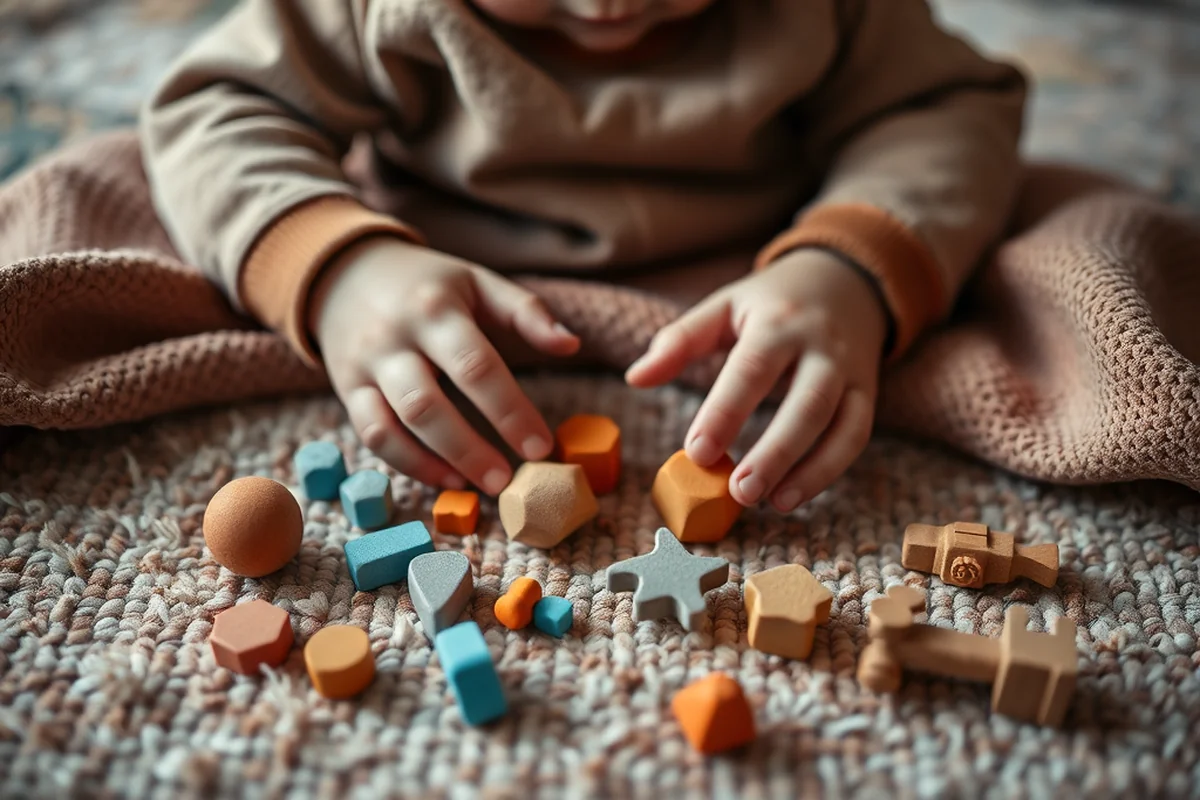
I once flew with a toddler who thought the 'travel bag' was a 'toy bag.' She refused to put her stuffed animals in it, thinking it was just for toys. It was a small misunderstanding, but it caused a big delay as we tried to get everything packed in time for our flight.
By switching to the word 'all-in-one bag,' I was able to clarify that this was for everything, not just toys. It was a simple change that made a big difference in how my toddler understood our travel gear.
Specific language also helps when interacting with others. When I used the term 'travel bag,' airport staff sometimes struggled to understand exactly what I needed. But when I used terms like 'carry-on bag' or 'luggage bag,' their responses were more accurate and helpful.
Specific language is like a roadmap — it guides everyone toward the same destination.
Related: Travel bag ideas
Related: Travel kit ideas for kids
Related: Travel bag best
Related: Travel bag ideas for women
Related: Travel bag without chain
Tailoring Your Vocabulary to Your Child's Age
I found that younger toddlers responded better to playful, imaginative terms like 'magic bag' or 'treasure box.' These words sparked their curiosity and made packing feel like an adventure.
Older toddlers and children, on the other hand, responded better to terms like 'all-in-one bag' or 'travel kit.' These words felt more mature and gave them a sense of responsibility for packing their own belongings.
By tailoring my vocabulary to my child's age, I was able to keep them more engaged and focused on the task at hand, which made our trips smoother and more enjoyable.
For toddlers under 3, use words that spark their imagination, like 'magic bag' or 'treasure box.' This can make the packing process feel more like a game.
“When I found myself standing at the airport with a toddler in my arms and a duffel bag that felt like it was made of…”— Choosing a Toddler Travel Carrier editors
The Impact of Language on Travel Behavior
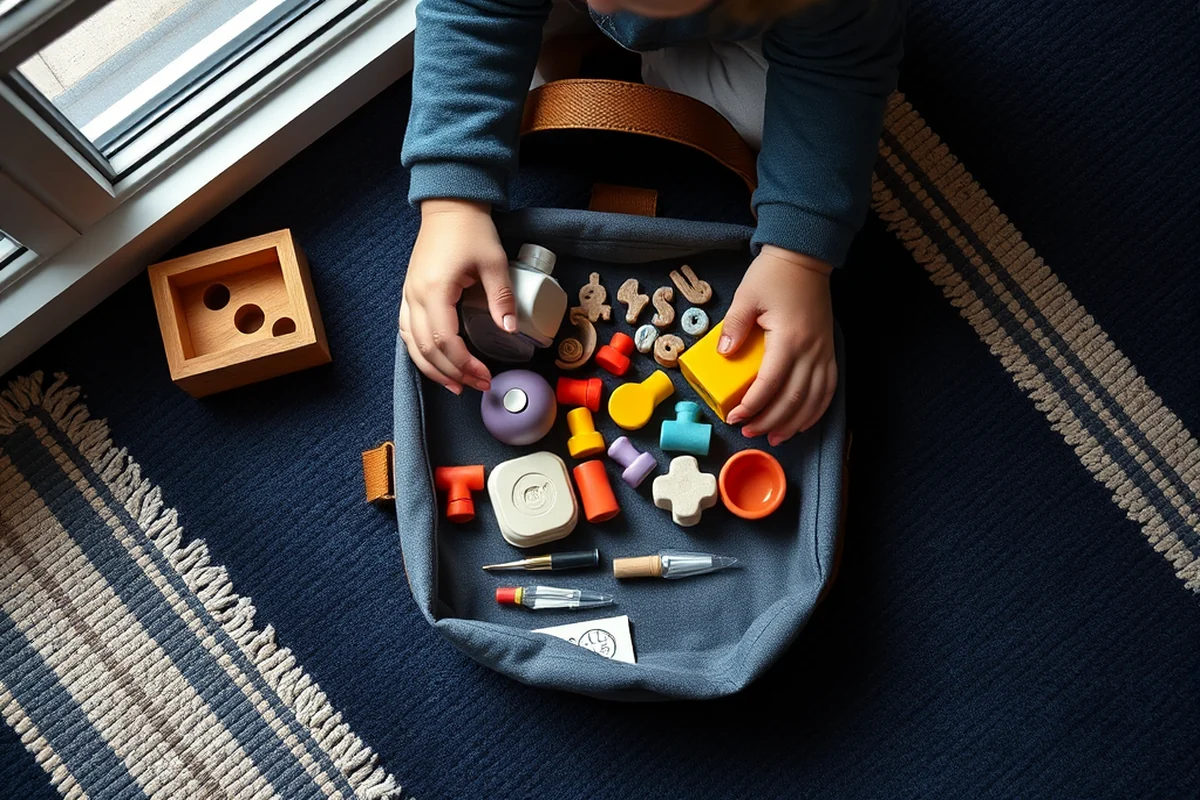
I noticed that when I used the word 'treasure box' for my travel bag, my toddler would get excited every time we packed it. She would run to the bag and start putting in her favorite toys, which made the process much faster and more efficient.
On the other hand, when I used the word 'luggage bag,' my toddler would often avoid looking at the bag and would instead ask me to do the packing for her. It was a clear difference in how she responded to different terms.
This made me realize that the language we use can shape our child's relationship with travel. Choosing the right words can make our children more independent, more curious, and more engaged during our trips.
Alternative Words for Different Travel Scenarios
When we traveled to a theme park, I used the term 'park bag' to let my toddler know that this was the bag we used for our day at the park. It helped her understand that this was a special bag for a special place.
When we traveled on a long-haul flight, I used the term 'airplane bag' to help my toddler understand that this was the bag we would use for the flight. It made the process of packing and unpacking more intuitive and less confusing.
By using terms that were specific to the travel scenario, I was able to help my toddler understand the purpose of the bag and what was expected of her during the trip.
The Role of Language in Reducing Anxiety
I once had a toddler who would get anxious whenever we started packing for a trip. She would cry and refuse to put her belongings in the 'travel bag,' which made the process very stressful for both of us.
When I switched to the term 'adventure bag,' I noticed a big difference in her behavior. She would look forward to the trip and would eagerly help me pack the bag. It was a small change, but it had a huge impact on reducing her anxiety.
This experience made me realize that the words we use can have a big impact on our child's emotional state. Choosing the right words can help reduce anxiety and make travel more enjoyable for everyone involved.
Words can be powerful tools — they can either build anxiety or break it down.
The Long-Term Benefits of Using Alternative Terms
Over time, I noticed that my toddler began to look forward to trips and would ask me, 'Where’s our adventure bag?' every time we were about to go somewhere. It became a familiar and exciting part of our routine.
This positive association with travel helped my child develop a love for exploring new places and experiencing new things. It was a small shift in language that had a lasting impact on her attitude toward travel.
By using alternative terms for our travel bag, I was able to create a positive and engaging experience around travel that has stayed with my child even as she has grown older.
🧸 Gentle Approach
Use playful, imaginative terms like 'magic bag' or 'treasure box' to engage your toddler and make packing feel like an adventure.
🚀 Fast-Track Approach
Use direct, efficient terms like 'carry-on bag' or 'luggage bag' to help your toddler understand the purpose of the bag quickly.
✈️ Travel/Away-from-Home Approach
Use terms like 'park bag' or 'airplane bag' to help your toddler understand the specific purpose of the bag for different travel scenarios.
👶 Multiples Approach
Use terms like 'baby bag' or 'toddler bag' when traveling with multiple children to help them understand which bag is theirs.
🔄 Regression Reset Approach
Use terms like 'reset bag' or 'fresh start bag' to help your toddler transition smoothly between different travel stages or environments.
| The mistake | Why it happens | The fix |
|---|---|---|
| Using the same term for all travel bags. | This can cause confusion and make it difficult for your child to understand the purpose of each bag. | Use different terms for different bags, such as 'magic bag' for the main bag and 'snack bag' for the smaller one. |
| Using terms that are too complicated or abstract for your child. | This can make it difficult for your child to understand the purpose of the bag and may lead to frustration. | Choose simple, clear terms that are easy for your child to understand and use consistently. |
| Switching terms too frequently. | This can confuse your child and make it difficult for them to form a clear association with the bag. | Stick to one or two consistent terms for your travel bags to help your child understand and remember them more easily. |
| Not involving your child in the process. | This can make the packing process feel less engaging and may lead to resistance from your child. | Involve your child in choosing the name for the bag and let them help with the packing process to make it more engaging and interactive. |
Travel Bag Alternative Words
Common Questions
Why should I use alternative words for my travel bag?
What are some good alternative words for a travel bag?
How can I choose the right term for my child?
Can alternative words help reduce anxiety during travel?
References
- (PDF) KET Vocab - Academia.edu (academia.edu)
- Chapter 01-08: Determiners - ALIC – Analyzing Language in Context (alic.sites.unlv.edu)
- Reusable Bags and Cases of Heading 4202 (cbp.gov)
- Mellon Research Travel Fellowship | Center for Latin American and ... (clacs.uchicago.edu)
Cite this guide
Choosing a Toddler Travel Carrier (2026). Travel Bag Alternative Words. https://childroute.com/travel-bag-alternative-words/
Feel free to cite or share this guide.