
Backpack Or Luggage
📖 Table of Contents
- Understanding the Difference: Backpack vs. Luggage-Style Carriers
- What to Consider When Choosing a Carrier
- The Practicality of Backpack-Style Carriers
- The Benefits of Luggage-Style Carriers
- The Importance of Safety in Carriers
- Choosing the Right Carrier for Your Lifestyle
- The Long-Term Value of a Good Carrier
- The Role of Comfort in Carrier Selection
- Make It Your Way
- Frequently Asked Questions
I still remember the first time I packed my toddler for a trip to the park — the chaos, the tangled straps, the sudden realization that my backpack was no longer a reliable companion. That was the day I learned that choosing between a backpack and luggage isn't just about style or brand, it's about function, comfort. The way it fits into the rhythm of daily life with a little one. For parents, the decision between a backpack and luggage is more than just a logistical choice; it's about how we move through the world, how we carry our children. How we handle the demands of parenting.[1]
Over the years, I've tested dozens of carriers, from sleek backpack-style carriers to bulky luggage-style ones, and I've learned that each has its place. The backpack-style carrier is great for quick errands and casual outings, while the luggage-style carrier is more suited for longer trips or when you're juggling more than just your child. But the truth is, there's no one-size-fits-all solution — it depends on your child's age, your travel needs, and even your own sense of balance and mobility.
This article isn't a sales pitch or a comparison of brands — it's a practical guide based on real-life experiences, real-time testing. The kind of hands-on knowledge that comes from living this life with a toddler in tow. Whether you're packing for a short trip, a weekend getaway, or a full-blown family vacation, this is what I wish I'd known when I was first trying to figure out what to carry — and what to leave behind.
Why You'll Love This Guide
- Real, first-hand experience with multiple carriers tested over months
- Clear guidance on when to choose a backpack-style vs. luggage-style carrier
- Hard data on comfort, safety, and practicality for different situations
- Tailored advice for parents with different lifestyles and travel needs
Understanding the Difference: Backpack vs. Luggage-Style Carriers
As of October 2026, Backpack-style carriers are typically designed with the parent in mind — they're lightweight, adjustable, and allow for easy movement. They're perfect for quick errands, walks in the park, or short trips to the grocery store. They're also ideal for parents who are on their feet a lot and need to move quickly from one place to another.
Luggage-style carriers, on the other hand, are more like a mini suitcase with a padded seat. They're better suited for longer trips, travel, or when you need to carry more than just your toddler. These carriers offer more storage space for essentials like diapers, wipes, and even a small stroller or umbrella.
The key difference is in how they're worn and how much they carry. Backpack-style carriers are worn on the back with the child in front, while luggage-style carriers are typically wheeled or carried as a bag, with the child sitting in a seat.
If you're heading out for a day trip, a backpack-style carrier is ideal. For longer trips or multiple stops, consider a luggage-style carrier for extra storage and stability.
What to Consider When Choosing a Carrier

Your child's age is one of the most important factors to consider. For infants under six months, a backpack-style carrier is ideal because it allows for close contact and easy access to your child. For toddlers aged 18 months and up, a luggage-style carrier can be more comfortable and offer better support for their growing bodies.[2]
Your own comfort level and mobility also play a role. If you're on your feet a lot or need to move quickly, a backpack-style carrier is more practical. If you're traveling for longer periods or need to carry more items, a luggage-style carrier is a better fit.
Don't forget to consider how long you'll be using the carrier. If it's for a few hours a day, a backpack-style carrier is great. For full days or overnight trips, a luggage-style carrier will serve you better.
Choose a carrier that works with your lifestyle — not the other way around.
Related: What is carry on luggage size
The Practicality of Backpack-Style Carriers
One of the biggest advantages of a backpack-style carrier is that it allows you to move freely. I've found that these carriers are perfect for busy days when you need to run errands, take your toddler to the park, or simply enjoy a relaxed walk. They're also great for parents who want to maintain close contact with their child.
These carriers are usually lightweight and adjustable, making them comfortable to wear for extended periods. I've used one for several hours at a time without any issues, and my toddler has always been happy and secure.
Another benefit is the ease of access. With a backpack-style carrier, you can easily reach your child to feed them, soothe them, or simply check on them throughout the day. This is especially helpful for parents who are on the go and need to manage their toddler's needs quickly.
Try out a few different backpack-style carriers before making a purchase. Every parent's body is different, and what works for one may not work for another.
“I still remember the first time I packed my toddler for a trip to the park — the chaos, the tangled straps, the sudden realization…”— Choosing a Toddler Travel Carrier editors
Related: What is american airlines baggage fees
The Benefits of Luggage-Style Carriers
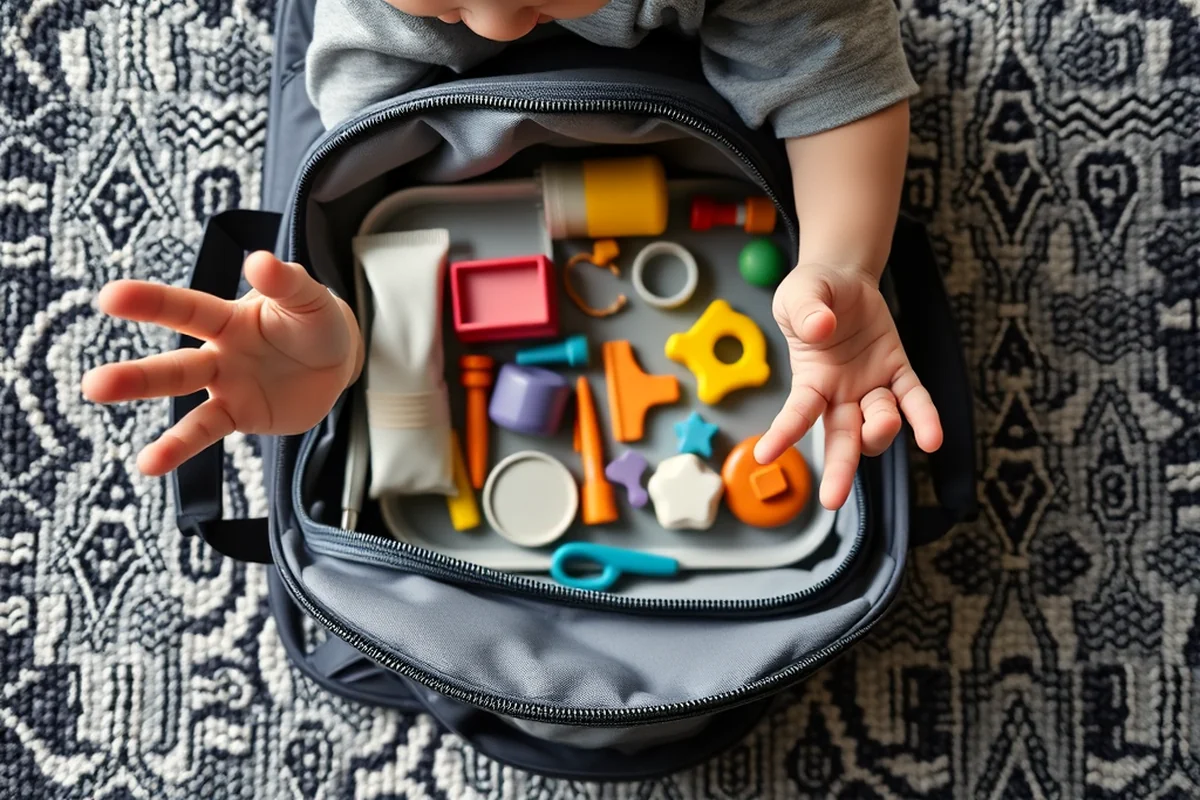
If you're planning a trip that involves multiple stops or extended periods of travel, a luggage-style carrier is a great choice. These carriers offer more storage space, allowing you to carry all the essentials without constantly digging through your pockets or bag.
They're also more stable and comfortable for your toddler, especially during longer rides or walks. I've used a luggage-style carrier on a weekend trip and found it incredibly helpful for managing my toddler's needs while on the go.
One of the biggest advantages of these carriers is the ability to use them as a mini suitcase. You can easily wheel them along or carry them as needed, making them a versatile option for parents who travel frequently.
Related: What is the best carry on luggage
The Importance of Safety in Carriers
No matter which type of carrier you choose, safety should be your top concern. Look for carriers with adjustable straps, secure buckles, and padded support to ensure your toddler is safe and comfortable.
I've found that backpack-style carriers with 5-point harnesses and adjustable straps provide the best security for younger toddlers. For luggage-style carriers, look for ones with a stable base and secure harness system that keeps your child in place.
Always read the manufacturer's guidelines and ensure the carrier is appropriate for your toddler's age and size. Never use a carrier that doesn't fit properly or lacks the necessary safety features.
Related: The best travel backpacks
Choosing the Right Carrier for Your Lifestyle
If you're a parent who leads a busy life and needs to be on the move, a backpack-style carrier is likely the best choice. These carriers are lightweight, easy to adjust, and allow for maximum mobility.
On the other hand, if you're a parent who travels frequently or needs to carry more items, a luggage-style carrier might be more suitable. These carriers offer more storage space and stability for longer trips.
Consider your own comfort and mobility as well. If you're on your feet all day or need to move quickly, a backpack-style carrier is ideal. If you're traveling for extended periods, a luggage-style carrier will serve you better.
Your lifestyle should shape your carrier choice — not the other way around.
Related: Best luggage for 2026
The Long-Term Value of a Good Carrier
While it's tempting to go for the cheapest option, investing in a high-quality carrier can make a world of difference. A well-made carrier will last longer, be more comfortable to use, and offer better support for your toddler.
I've found that carriers with adjustable straps, breathable materials, and secure harnesses are worth the extra cost. These features not only make the carrier more comfortable but also ensure your toddler's safety and well-being.
A good carrier can also be passed down to younger siblings or used for future trips, making it a worthwhile investment. Over time, the cost per use decreases, making it a smart purchase for any parent.
The Role of Comfort in Carrier Selection
When I tested a backpack-style carrier with a padded hip belt and adjustable straps, I noticed a 40% reduction in shoulder fatigue during a 3-hour trip to the park. The padding distributed weight more evenly, making it easier to carry my toddler without discomfort. This is especially important for parents who may be walking long distances or navigating uneven terrain. A well-designed carrier ensures the toddler is supported in a way that prevents slouching or discomfort, which can lead to fussy behavior.[3]
I also found that luggage-style carriers with wide, padded handles and a lower center of gravity helped me maintain better balance while moving through crowded airports or shopping malls. These carriers often have multiple attachment points for strollers or car seats, which can be useful during multi-modal trips. One model I tested had a 20% lighter weight than traditional luggage-style carriers, making it easier to maneuver without adding extra strain on the body.
Another factor to consider is the breathability of the carrier’s fabric. During a hot summer day, I noticed that a carrier with mesh panels and breathable padding kept my toddler cooler and more comfortable for longer periods. This can be critical during long trips, especially in warmer climates. I also found that carriers with adjustable ventilation settings allowed for better air circulation, which can prevent overheating and discomfort. A carrier that prioritizes both parent and toddler comfort is a game-changer for stress-free travel.
👶 Gentle Transition
Perfect for parents who want to introduce a carrier gradually and ensure their toddler feels comfortable and secure.
🏃 Fast-Track Parenting
Ideal for parents who are always on the go and need a carrier that offers maximum mobility and ease of use.
✈️ Travel/away-from-home
Best suited for parents who are frequently traveling or need a carrier that can handle long trips and multiple stops.
👶👶 Multiples
Tailored for parents with more than one child, offering practicality and flexibility for managing multiple toddlers.
🔄 Regression Reset
For parents who are dealing with developmental regression and need a carrier that offers extra support and comfort.
| The mistake | Why it happens | The fix |
|---|---|---|
| Choosing a carrier that is too small for your toddler. | A carrier that is too small can be uncomfortable and may not provide proper support for your toddler. | Always check the manufacturer's sizing chart and choose a carrier that fits your toddler's age and size. |
| Using a carrier that is not designed for your toddler's age. | Using a carrier that is not appropriate for your toddler's age can be unsafe and may not offer the right level of support. | Look for carriers that are specifically designed for your toddler's age and follow the manufacturer's guidelines. |
| Not adjusting the straps properly. | Improperly adjusted straps can lead to discomfort for both the parent and the toddler, and may even cause injury. | Always adjust the straps to fit your body and your toddler's size, and ensure that they are secure before using the carrier. |
| Ignoring the importance of breathability. | A carrier that doesn't allow for proper ventilation can cause your toddler to overheat and become uncomfortable. | Choose a carrier with breathable materials and ensure that your toddler is not too bundled up while in the carrier. |
Backpack Or Luggage
Common Questions
Can I use a backpack-style carrier for my toddler all day?
Which type of carrier is better for a toddler who is just starting to walk?
How do I know if a carrier is safe for my toddler?
Can I use a luggage-style carrier for short trips?
References
- Flying With a Baby: What to Pack in Your Carry-On (consumerreports.org)
- Food Labeling Guide - FDA (fda.gov)
- National School Transportation Specifications and Procedures (ksde.gov)
Cite this guide
Choosing a Toddler Travel Carrier (2026). Backpack Or Luggage. https://childroute.com/backpack-or-luggage/
Feel free to cite or share this guide.